WSJ :; TikTok Maker Caps Screen Time for Youths in China

TikTok Maker Caps Screen Time for Youths in China
ByteDance’s ‘youth mode’ for users under age 14 is the latest online restriction as Beijing steps up scrutiny of tech use by young people

HONG KONG—In the latest move to curb screen time for younger Chinese users, Bytedance Ltd., the maker of the hit short-video mobile app TikTok, said that it would restrict access to Douyin, the Chinese version of the app, to 40 minutes a day for users under 14 years old.

Douyin’s “youth mode,” which follows the imposition of new limits on younger Chinese users’ access to online videogames, will restrict under-14s to using the app between 6 a.m. and 10 p.m. The app will be inaccessible to all users in that age group outside of those hours.

Douyin had introduced some of the features beginning in 2018, but on an optional basis. The measures would apply to all users registered with their real names and as being under 14 years old, Douyin said Saturday.

It said that the mandatory measures were designed to protect younger users from harmful content. In that vein, the up-to 40 minutes a day of Douyin for younger users will henceforth serve up edifying content such as science experiments, museum exhibitions and history lessons, the company said.

To aid enforcement, Douyin called on parents to register their children with their real names and ages.

The new restrictions come as the Chinese government seeks to rein in the country’s biggest internet companies, accusing them of violating antitrust, data-security and labor rules.

WSJ : Universal Music Spinoff to Test Investors’ Appetite for Music

Universal Music Spinoff to Test Investors’ Appetite for Music
Company behind Taylor Swift and Drake is expected to list in Europe on Tuesday after Vivendi distributes shares to its stockholders

Vivendi VIVHY -0.32% SE’s spinoff of Universal Music Group, expected Tuesday, will leave the French conglomerate bereft of its most lucrative business and will test the market’s appetite for music as an asset class.

The world’s largest music company, behind stars including Taylor Swift, Drake and the Beatles, will debut on Amsterdam’s Euronext stock exchange with shares to be distributed to Vivendi’s investors. The move comes amid rising interest in the resurgent music business as an investment and following a recent boom in the value of music catalogs, music-streaming companies and technology for creators.

Analysts value Universal Music above €40 billion, equivalent to about $46.9 billion, higher than recent estimates and transactions indicate. In August, the company was valued at €33 billion, when billionaire William Ackman bought a 10% interest through his Pershing Square Holdings Ltd. hedge fund. The purchase came after Mr. Ackman scrapped ambitious plans to use his special-purpose acquisition company, or SPAC, to invest in Universal, citing Securities and Exchange Commission concerns.

Last year, Chinese internet conglomerate Tencent Holdings Ltd. doubled its stake in Universal to about 20% in a deal that valued the business at about €30 billion.

When the shares list, the Tencent-led consortium will have a 20% stake, and Mr. Ackman’s entities and Vivendi each will have 10%. The rest will be distributed to each Vivendi shareholder. As a result, French investor and former chairman of Vivendi Vincent Bolloré will hold an 18% stake. There are no restrictions on investors that would keep them from selling the shares upon receiving them.

Tencent and Mr. Ackman have expressed interest in holding Universal long-term. Vivendi said it would hold on to its stake for at least two years to remain associated and for tax reasons. Whether Mr. Bolloré chooses to hold on to his stake—which would be worth roughly €6 billion at a €33 billion valuation—will be closely watched by investors and analysts.

Because Mr. Bolloré controls Vivendi via a 27% stake, that means he will control some 28% of Universal either directly or indirectly. People close to Mr. Bolloré said it was unclear what the tycoon would do with his stake, though they expect he will likely hold on to it for a while.

Mr. Ackman has laid out a bullish case for music, pronouncing it a better streaming business than video and drawing comparisons to the software industry. “You need food and water to live, but music comes next,” Mr. Ackman said. “If you own UMG, you own a royalty on people listening to music.”

At its capital markets day presentation to analysts last month, Universal executives said they expect revenue to grow by more than 10% this year at constant currencies, and profit to rise by double that amount.

The targets led Barclays to increase its valuation of the company to €41.4 billion from €38.5 billion. JPMorgan analysts said they believe their base case value of €54 billion “will prove conservative.”

Once public, analysts say, Universal will be the best way to participate in the music market. Competitor Sony Music Entertainment is accessible only as a small piece of Japanese conglomerate Sony Group Corp. ; Warner Music Group Corp. has less than 15% of its stock listed publicly and is controlled by billionaire Len Blavatnik.

Universal’s prospectus outlines the growth prospects of the music business, in which it commands some 40% market share. The more big acts it has under its umbrella, the more Universal makes from its licensing agreements with music-streaming services, such as those offered by Spotify Technology SA, Apple Inc. and Amazon.com Inc. Nine of the top 10 recording artists of 2020, by sales—and slices of the 10th—are on its roster, according to the International Federation of the Phonographic Industry.

After years of decimation because of piracy and plummeting CD sales, the music industry has been growing since 2016, thanks to the rise of music streaming. “Even with its strong growth in recent years, UMG believes streaming is still in the early stages of global penetration,” the music company said, pointing to technological innovations across devices and formats such as voice-controlled speakers and connected cars. It also highlighted music’s intersection with social media and gaming, and licensing opportunities in digital health and fitness industries.

Vivendi is cashing in on its longtime prized asset. The French company, which dates back to the middle of the 19th century, will be left with businesses that include French pay-TV group Canal Plus, ad-holding firm Havas and publishing company Editis, as well as small divisions like the videogame maker Gameloft. (On Wednesday, Vivendi struck a deal to increase its stake in French media group Lagardère SA to 45.1% and indicated its intent to take over the entire company.)

Vivendi has held Universal since 2000, when it bought the media assets of Canadian conglomerate Seagram Co., then controlled by the Bronfman family.

Mr. Bolloré has made a fortune over the past three decades by seizing control of businesses, often without paying a premium. It took Mr. Bolloré less than two years to effectively take control of Vivendi after exchanging some pay-TV operations he owned for a small stake. Though his holding company remains Vivendi’s No. 1 shareholder, Mr. Bolloré was replaced on Vivendi’s board by his son, Cyrille, in 2019, one year after another son, Yannick, succeeded him as chairman.

Mr. Bolloré’s handling of Universal has further enhanced his reputation as one of Europe’s more skilled, if sometimes unpredictable, corporate tacticians. Since Mr. Bolloré took the helm, Vivendi has rebuffed offers for Universal, when the music company was valued at far less than it is today.

In 2015, Vivendi ignored calls from the U.S. hedge fund P. Schoenfeld Asset Management to sell some or all of Universal and use the funds to boost cash returns. In 2013, Vivendi rejected an $8.5 billion offer for Universal from Japan’s SoftBank Corp.

Internally, Universal management has enjoyed a hands-off approach, according to people familiar with the matter. Mr. Bolloré backed Chief Executive Lucian Grainge on acquisitions and let the company’s results, which have outperformed any other Vivendi unit by sales and profit, speak for themselves, the people said.

As streaming revenue rose in recent years, Vivendi repeatedly teased the idea of floating all or part of Universal, arguing that the increasing value of the music business wasn’t reflected in its own share price. Vivendi’s sales of stakes in Universal ahead of the listing added around €10 billion to the company’s coffers.

FT : Universal Music: how much is the world’s biggest label worth?

Universal Music: how much is the world’s biggest label worth?
Vivendi to float group valued at €33bn in Amsterdam next week but many believe the price will soar

When Vivendi rejected an $8.5bn offer from SoftBank to buy Universal Music Group in 2013, industry analysts and executives were baffled. 

The French group turned down a price that was $2bn to $3bn more than analysts’ valuations of Universal. Hammered by piracy brought on by the advent of the internet, music revenues had shrunk every year for more than a decade — and no turnround was in sight. 

Eight years later, the contrarian bet by Vivendi and its controlling shareholder, French billionaire Vincent Bolloré, looks brilliant. 

On Tuesday, the group will spin out 60 per cent of Universal, listing it on the Euronext Amsterdam exchange. The prospectus gives Universal an indicative valuation of €33bn, but analysts believe it is worth much more — JPMorgan puts it at €54bn.

Each Vivendi shareholder will get one share of the newly independent company. Bolloré Group will own 18 per cent and Vivendi will hold 10 per cent.

There are no official lock-ups for the major shareholders, but Vivendi has committed not to sell any shares for two years and analysts expect a period of stability.


The music industry has staged a dramatic comeback since streaming services began funnelling billions of dollars to its biggest companies — Universal Music, Sony Music and Warner Music — who hold the copyrights to most of the world’s songs.

Their owners have taken notice. Leonard Blavatnik, Warner Music’s billionaire controlling shareholder, took the third-largest music company public last year. His net worth jumped by $7.5bn on the first day of trading, Bloomberg has estimated. 

Bolloré and Vivendi have also been cashing in. Vivendi has sold a third of Universal since 2019 for about €9bn, first selling 20 per cent to a Tencent-led consortium at a €30bn valuation in 2019 and 2020 then selling a 10 per cent stake to Bill Ackman’s hedge fund Pershing Square at a €35bn valuation in 2021. 

The deals have also transformed the wealth of Lucian Grainge, Universal’s chief executive. He received €17m for negotiating the Tencent deal and is due to get a $150m bonus for the listing. 

The case for these deals is obvious. Recorded music sales, which bottomed out at $14bn in 2014, have accelerated to hit $21bn in 2020, according to the International Federation of the Phonographic Industry (IFPI) data. Streaming makes up most of that revenue, growing to $13.4bn in 2020, up 20 per cent year on year.

Global sales are still below their 1999 peak, but investors are starting to forget the Napster and iTunes era when piracy was rampant and CD sales slumped. 

However, the valuations of the three dominant label groups had not really been repriced to match this growth. Universal and Sony Music were lodged within larger French and Japanese conglomerates, while Warner Music had been privately controlled by Blavatnik’s Access Industries. Investors could not easily bet on music’s renaissance.

Spotify’s stock market listing in 2018 changed that, but the Swedish company sells subscriptions to music — not the music itself. Public offerings from two of the big three label groups provide a clearer sense of how far the industry has come.

“No big master recording catalogue has changed hands [since EMI in 2012],” said one senior music executive. “There hasn’t been a chance to reset value based on where streaming has taken it.”

Investors dance as the music plays on
Wall Street analysts are salivating over Universal. JPMorgan called the company “an extraordinary asset”, predicting that its €54bn valuation “will prove conservative”. UBS noted Universal’s “irreplaceable” catalogue, valuing it at €45bn. Bank of America has valued Universal at €50bn — a 30 per cent premium to Warner Music.

The euphoria is based on a simple premise: as more people pay for streaming on apps such as Spotify, the value of music rights will grow. And Universal is the world’s largest owner of music rights.

The California-based group controlled 36 per cent of the recorded music market in 2020, according to the IFPI. Its roster includes The Beatles, Kendrick Lamar, Taylor Swift and Olivia Rodrigo. All of last year’s top 10 selling artists were signed to Universal.

Record labels now make money primarily by collecting royalties from tech companies. Spotify and Apple Music pay out more than two-thirds of every dollar earned to music rights holders. In recent years, Universal has also struck deals with social media apps such as TikTok and Facebook as well as fitness groups such as Peloton, which pay to use songs on their platforms. 

This model is more profitable than the CD era because Universal no longer has to spend money on physical distribution. Profit margins climbed from 16 per cent in 2018 to 20 per cent in 2020. It has forecast annual revenue growth in the “high single digits” and earnings before interest, tax, depreciation and amortisation margins in the “mid-twenties” in the coming years.

Music executives also argue that streaming makes their revenues more predictable and less dependent on scoring hit albums. 

“Music is now a utility . . . everyone’s happy to pay their $10 a month,” said Merck Mercuriadis, head of the acquisitive Hipgnosis Songs Fund that has gobbled up song catalogues in recent years at frothy prices. “I think Universal will end up being a $100bn company in a very, very short order,” he added.

However, per-capita music spending remains below its peak in the US, according to JPMorgan. In 1999, recorded music revenue per capita was $81 on an inflation-adjusted basis, well above the $37 spent last year.

Almost half of Universal’s recorded music revenue comes from music that is less than three years old, meaning that it must continue investing in finding new talent. 

Universal’s revenue jumped from €6bn in 2018 to €7.4bn in 2020. However, it also spent €2.5bn on catalogue acquisitions and artist advances during the year, including re-signing stars such as Taylor Swift and paying more than $300m to buy Bob Dylan’s songwriting catalogue.

Will the streaming dream sour?
The big question is: why the race to list now? Sceptics say these deals are an admission that valuations are at their peak and music owners hope to cash in before investor enthusiasm putters out.

Guy Hands, the private equity executive behind a disastrous buyout of EMI in the late 2000s, praises Universal’s turnround but adds: “I can’t believe anybody could have expected the prices to get to the level of today. Anyone sensible would certainly reduce their exposure.” 

Some analysts warn of risks to Universal’s future growth as emerging markets become bigger drivers of the streaming market. 

With more established streaming markets such as Sweden reaching saturation, music companies are looking to India, China and other populous, low- and middle-income countries to add new subscriptions. China is the world’s seventh-largest music market by revenue, but analysts forecast that it will crack the top five and perhaps eventually the top three. However, subscribers pay far less to stream in these regions, dragging down the average revenue earned per user. 

These markets are centred around local acts. Universal has been investing in developing talent to wade in, striking joint ventures in China with Tencent, for example. However, “betting on China is a dicey proposition”, warned Bill Werde, the former Billboard magazine editor who now directs a music programme at Syracuse University.

“The entirety of what’s being sold to potential investors in the music industry right now is the belief in the global future of streaming music,” he said. “That’s not entirely wrong but it’s also more fraught than most people understand.”

There is also a nagging fear that the internet will spur more artists to bypass record companies. The share of Spotify streams captured by the dominant labels and Merlin, a group representing indie labels, has been declining, from 87 per cent in 2017 to 78 per cent in 2020. 

For now, Wall Street has brushed off this concern. “While a small group of top artists may potentially bypass music companies by going direct to the consumer, doing so at scale and on a lasting basis remains a daunting exercise,” said Société Générale analysts. 

When asked by the Financial Times whether the music market had reached a peak in this cycle, Grainge unsurprisingly dismissed the notion. The company was making money from new sources, he argued, such as video gaming, fitness apps and social media companies.

“I’ve been through two recessions and two downturns. I know what can go wrong,” he said. “We’re just opening up new areas of monetisation that we couldn’t even predict before.”

9to5 : Should you update to iOS 15 when it’s released on Monday?


The Release Candidate version of iOS 15 and iPadOS 15 is here and the updates will be released to the general public on Monday. After three months of previewing Apple’s upcoming operating systems for the iPhone and iPad, here’s whether you should update or not.

What’s new with iOS 15 and iPadOS 15?
After the viral release of iOS 14/iPadOS 14 release thanks to the addition of widgets, there was a lot of anticipation for iOS 15 this year — but development challenges were compounded by the continued COVID-19 pandemic.
iOS 15 and iPadOS 15 focus on a pandemic world while preparing people all over the world to go back to their routines. With this update, users will get a new Focus mode, redesigned Safari, Weather, and FaceTime apps, and much more. iPhone 11 users or newer will even have the ability to track their phones even when turned off.
For iPadOS 15 owners, there are new tweaks for multi-tasking that make it easier to access the Split View and Slide Over features, as well as the new App Library and the ability to add widgets to the Home screen.
Home screen tweaks and Focus mode
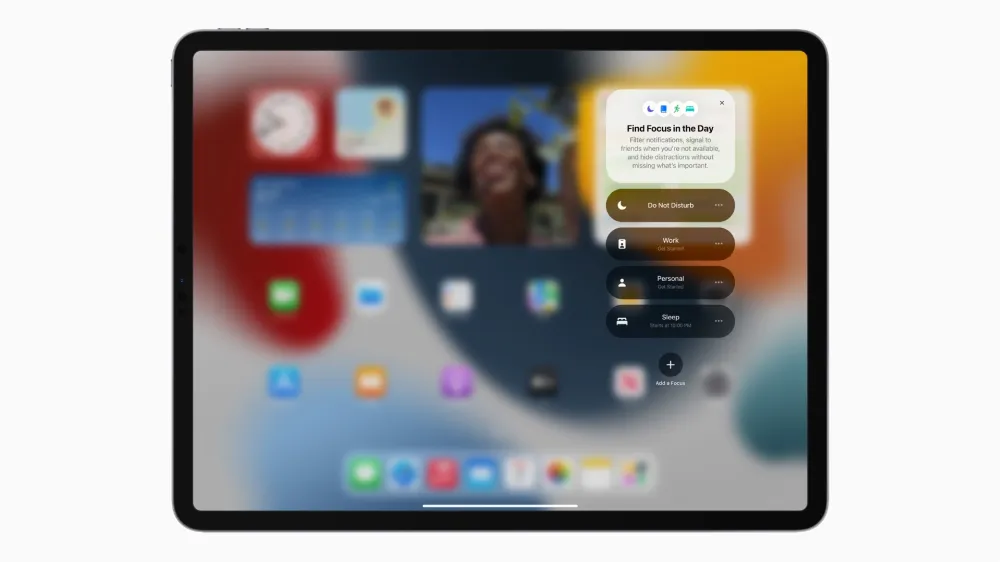
iPadOS 15 finally received the update Apple brought to the iPhone with iOS 14: a new and more customizable Home screen. It’s now possible to add widgets anywhere on your Home screen, delete apps and only show them on the App Library, and also customize what’s shown depending on the Focus mode you create.
For iPadOS 15, Apple also made it easier to use Split Screen and Slide over functions. Now, every time you open an app, you’ll see three dots on the top of the screen where you’ll be able to choose whether you want more apps running at the same time or not.
The new multi-tasking features in iPadOS 15 have become quite useful for me. Remember how Apple killed 3D Touch because no one knew how to use it? Split View and Slide Over weren’t always that intuitive either. With this three dots indicator, users will now know that they can easily open and split the screen with other apps.
Focus mode in iOS 15 and iPadOS 15 is one of the greatest improvements Apple is bringing, as you can select what do you want to focus on depending on what you’re doing at the moment, such as working, sleeping, having personal time, playing games, or working out.
Currently, I use six different focus modes, including “Do Not Disturb,” “Personal,” Work,” “Sleep,” “Fitness,” and “Street,” when I don’t want to be interrupted while away from home. With beta over beta, the Focus function in iOS 15 is learning with my habits and already turning on one focus mode after another. It’s just great.
FaceTime, Safari, Weather, and Apple Maps have a new look
Familiar apps have also a new look. FaceTime looks more square but adds a new Portrait mode to blur your background in a call. There’s also a new Voice Isolation function, a better grid view with FaceTime Group, and people can join your conversation from the web or Android with a FaceTime link, which is pretty neat.
It’s important to notice how good these new mic modes are: if you’re using an AirPods, choosing the voice isolation mode is groundbreaking because you can wash dishes or be close to someone talking loudly, but the person on the other side of the call won’t hear anything aside from your voice. Apple’s implementation of this feature is quite impressive.
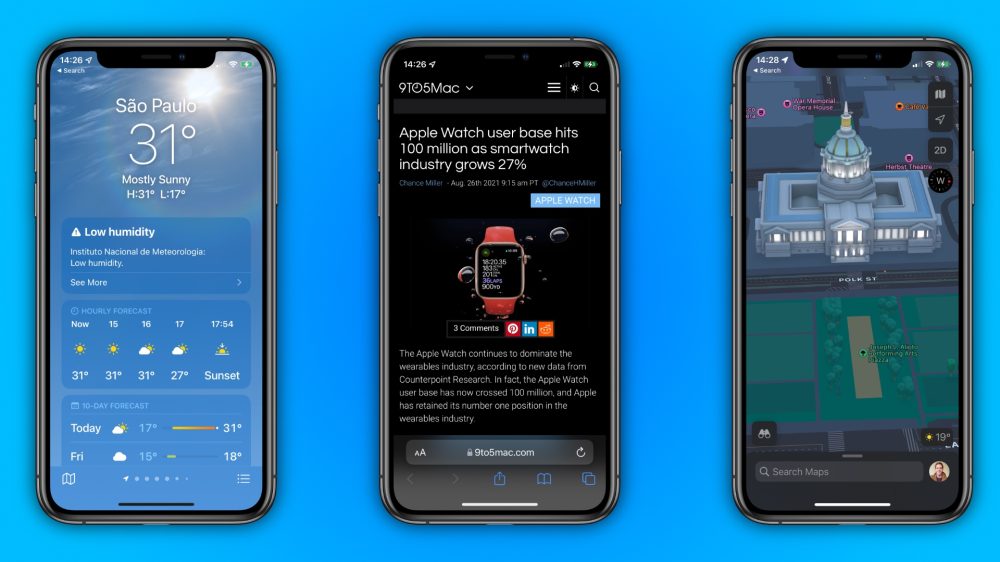
The Weather app has a new icon and everything looks more realistic with new animated backgrounds. There are also next-hour precipitation notifications so you can get a notification when rain, snow, hail, or sleet is about to start or stop. Apple’s team has put a lot of effort into the app and it does look good.
Safari, after all the controversy during the beta, has also a new design. While the design has proven to be controversial, I think it’s only a matter of time before people to get used to it. With iPadOS 15, you can have a “Compact Tab Bar,” which looks pretty great. Even still, if you don’t like what you see, there’s also the classic design, which you can learn how to go back here.
Last but not least, Apple Maps has incredible new maps for selected cities. San Francisco, Los Angeles, New York, and London have unprecedented detail for elevation, roads, trees, buildings, landmarks, and more. Users also can take advantage of new driving features, interactive globe, new place cards, and more.
Sharing is caring with iOS 15 and iPadOS 15
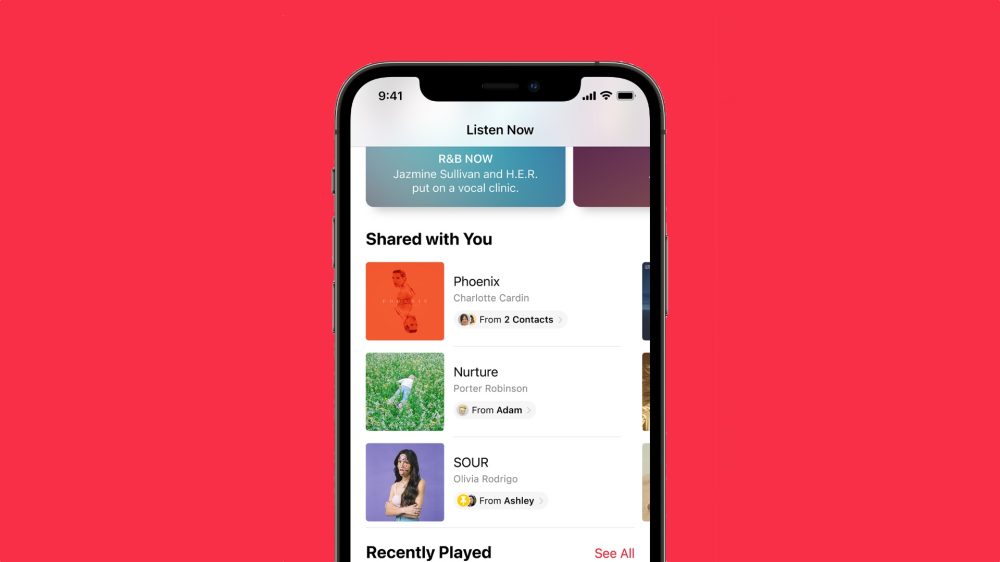
You’ll notice with iOS 15 and iPadOS 15 that some apps have a dedicated “Shared With You” section, including Music, Podcast, Safari, TV, iMessage, and Photos. With that, when something is shared with you in Messages, you’ll get a reminder in these apps to read, watch, and listen to what was sent to you.
If you click on the person’s name, iOS 15 will redirect you to the conversation on iMessage so you can reply with your thoughts. Nice, right? And doesn’t matter how long you take to watch/read/listen to something someone sent to you, you will be redirected exactly to the moment the person sent you the link.
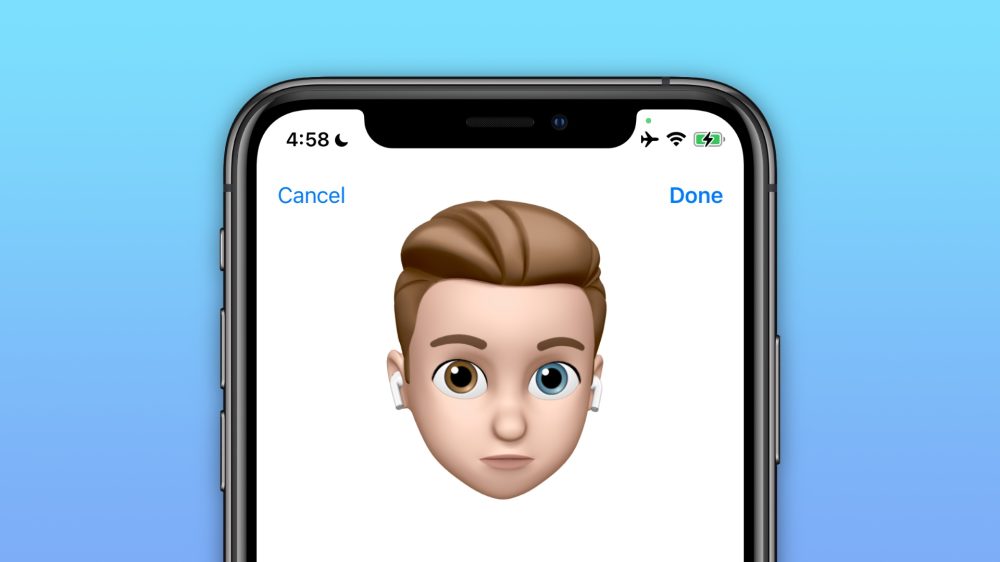
Also new for iMessage, there is new Memoji customization with clothes, more colors, and accessibility customizations include cochlear implants, oxygen tubes, and soft helmets. Even though it’s pretty minimum, I do like updating my Memoji every now and then and always look forward to new customization.
Also, when you send a bunch of photos on iMessage with iOS 15 and iPadOS 15, they look more compact with a collage you can swipe through and tap to view them all as a grid or add a quick Tapback. Finally, Apple fixed it.
Live Text and Siri
Live Text is another pretty big update for iOS 15 and iPadOS 15. When opening an image or your camera, you can find text and make a call, send an email, or look up directions with just a tap on the highlighted text in a photo.
It’s very intuitive to use and also very helpful as everything is now clickable. For example, if you see a sign on the street, just open your Camera app and click on the text to copy it.
With Live Text translation, users can also copy the image’s text and translate it into English, Chinese, French, Italian, German, Portuguese, and Spanish.
Siri also got a bit smarter and more useful as it adds on-device speech recognition so everything is processed on your iPhone and iPad. With that, Siri can finally perform many tasks without an internet connection. No more asking Siri to open an app and the personal assistant replying it can’t open the Music app as you don’t have an internet connection right now.

FT : Europe’s new €1.6bn chip plant needs only 10 workers on factory floor

Europe’s new €1.6bn chip plant needs only 10 workers on factory floor
Opening of Infineon’s facility in Austria coincides with chronic shortage of auto chips

In the Alpine city of Villach, Austria, industrial engineer Andreas Wittmann surveyed his latest project — the EU’s newest chip factory.

“Twenty years ago it was not on our mental horizon to build a [semiconductor plant] in Europe,” he said, days before the €1.6bn facility’s official opening on Friday. But “the increase in automation has decreased the advantage of Asia”.

The executive at Europe’s largest chipmaker, Germany’s Infineon, did not have to labour his point.

The 60,000sq metre facility he masterminded — roughly the size of eight football pitches — was abuzz with robots delivering silicon wafers via an overhead rail system, their LED lights blinking reassuringly in red and green. Unlike a “legacy” facility nearby that has roughly 140 staff on the factory floor, the new plant requires about 10.

This reduction in personnel costs was one of a number of reasons that Infineon decided to expand the picturesque site in 2018. The plant specialises in power semiconductors, largely for use in cars, which contain dozens of such chips to support everything from electric windows to navigation systems. 

An existing facility in the German city of Dresden — which supplies Volkswagen, among many others — was already bursting at the seams, and with automakers increasingly focused on electric vehicles, many of which require even more power chips, the investment case was straightforward.

But the opening of the plant, which makes semiconductors on modern, 300mm thin silicon wafers, also coincides with a chronic shortage in the supply of chips that has devastated the auto sector, idling assembly lines and causing the production of millions of cars to be cancelled.

As a result, European Commission president Ursula von der Leyen announced plans for a new “Chips Act”, to “jointly create a state-of-the-art European chip ecosystem, including production”.

Infineon said its Villach site would help ease bottlenecks for its major clients, many of which were located nearby. “Our message to customers is that we can supply,” chief executive Reinhard Ploss told a press conference on Friday, even though there is at least a four-month lead time for producing power chips. 

“They will not be for free,” he added, as the cost of supplies have gone up in the crisis. “We do believe that the prices will increase a lot in the summer.”

Although Infineon did receive some subsidies for the Austrian factory, which Ploss said “helped cushion and compensate the global distortions”, he is not among those who believe that supply constraints, and supply security, will necessarily be solved by putting more plants in Europe.

The largest customers for chips overall, smartphone and PC makers, were not based in Europe, he told the FT this year, and they would continue to be at the front of the queue for global supply regardless of where factories were located.

Villach’s engineers added that it would still take at least three years for a new plant to be built if a decision was taken today. “Semiconductor fabs are more or less the Champions League of industrial building,” said Wittmann.

Worse, the rest of the industry was “behind by 18 months to a year of regular investment”, said Jalal Bagherli, chief executive of Dialog Semiconductor, a rival European chip company that has just been bought by Japanese group Renesas, which also supplies automakers. 

Dialog relies on external contractors to manufacture its chips, but Bagherli said some of the third parties were not interested in ramping up capacity when demand for consumer electronics led to a rush on chips during the pandemic.

“When we asked them: ‘Are you investing?’ they said: ‘Well, this is all temporary. It is going to only last three months, I’m not going to invest another $10bn and build a [semiconductor factory] just because somebody is working from home’.”

It also remains to be seen whether current levels of demand will be sustained. “Because it is capital-intensive, you spend money only when you are sure you have demand,” said Thomas Reisinger, a board member at Infineon in Austria.

“If you don’t get your components, you tend to over-order,” said Holger Schmidt, an analyst at German bank Metzler, “and even though semiconductor companies deduct these double orders, you can never be sure [that the orders are true to demand]”.

On Friday, Infineon — one of the few European companies to design and manufacture most of its chips in-house — was lauded by politicians including Austrian chancellor Sebastian Kurz and EU representative Martin Selmayr, who said Infineon was a “key partner” in creating “a top-class European chip ecosystem”.

But the labour-intensive, “back end” process for the semiconductors built in Villach — in which “wage costs play an important role” — will still take place in Malaysia, where Infineon has a finishing plant.

It is a trend that Reisinger, who spent time in the Malaysian facility, does not see reversing. “We have expertise, we have the engineers there, I think we will be staying in Asia [for the back end],” he said.

TechCrunch : The GoPro-ification of the iPhone

the big thing
When you get deep enough into the tech industry, it’s harder to look at things with a consumer’s set of eyes. I’ve felt that way more and more after six years watching Apple events as a TechCrunch reporter, but sometimes memes from random Twitter accounts help me find the consumer truth I’m looking for.

As that dumb little tweet indicates, Apple is charging toward a future where it’s becoming a little harder to distinguish new from old. The off-year “S” period of old is no more for the iPhone, which has seen tweaks and new size variations since 2017’s radical iPhone X redesign. Apple is stretching the periods between major upgrades for its entire product line and it’s also taking longer to roll out those changes.

Apple debuted the current bezel-lite iPad Pro design back in late 2018 and it’s taken three years for the design to work its way down to the iPad mini while the entry-level iPad is still lying in wait. The shift from M1 Macs will likely take years as the company has already detailed. Most of Apple’s substantial updates rely on upgrades to the chipsets that they build, something that increasingly makes them look and feel like a consumer chipset company.


This isn’t a new trend, or even a new take, it’s been written lots of times, but it’s particularly interesting as the company bulks up the number of employees dedicated to future efforts like augmented reality, which will one day soon likely replace the iPhone.

It’s an evolution that’s pushing them into a similar design territory as action camera darling GoPro, which has struggled again and again with getting their core loyalists to upgrade their hardware frequently. These are on laughably different scales, with Apple now worth some $2.41 trillion and GoPro still fighting for a $1.5 billion market cap. The situations are obviously different, and yet they are both facing similar end-of-life innovation questions for categories that they both have mastered.

This week GoPro debuted its HERO10 Black camera, which brings higher frame rates and a better performing processor as it looks to push more of its user audience to subscription services. Sound familiar? This week, Apple debuted its new flagship, the iPhone 13 Pro, with a faster processor and better frame rates (for the display not the camera here, though). They also spent a healthy amount of time pushing users to embrace new services ecosystems.

Apple’s devices are getting so good that they’re starting to reach a critical feature plateau. The company has still managed to churn out device after device and expand their audience to billions while greatly expanding their average revenue per user. Things are clearly going pretty well for the most valuable company on earth, but while the stock has nearly quadrupled since the iPhone X launch, the consumer iPhone experience feels pretty consistent. That’s clearly not a bad thing, but it is — for lack of a better term — boring.

The clear difference, among 2.4 trillion others, is that GoPro doesn’t seem to have a clear escape route from its action camera vertical.

But Apple has been pushing thousands of employees toward an escape route in augmented reality, even if the technology is clearly not ready for consumers and they’re forced to lead with what has been rumored to be a several-thousand-dollar AR/VR headset with plenty of limitations. One of the questions I’m most interested in is what the iPhone device category looks likes once its unwieldy successor has reared its head. Most likely is that the AR-centric devices will be shipped as wildly expensive iPhone accessories and a way to piggy back off the accessibility of the mobile category while providing access to new — and more exciting — experiences. In short, AR is the future of the iPhone until AR doesn’t need the iPhone anymore.

(ZH) Actually, It All Makes Sense

Actually, It All Makes Sense

Back in June, we explained that the reason behind the market's shocking response to the Fed's hawkish policy announcement when yields plunged instead of spiking higher, had little to do with what the Fed would actually do (as every Fed action is now in direct response to the market, which the FOMC is compelled to prop up no matter the cost) and everything to do with the market's read of r-star, and we quoted DB's head of FX strategy George Saravelos who said that everything that is going on "boils down to a very pessimistic market view on r*" or in other words, the same argument we made 6 years ago when we predicted - correctly - that the Fed's hiking cycle would end in tears (as it did first in November 2018 when the Fed capitulated on its hiking strategy after stocks plunged, and then again in Sept 2019 when the Repo crisis forced the Fed to resume QE).
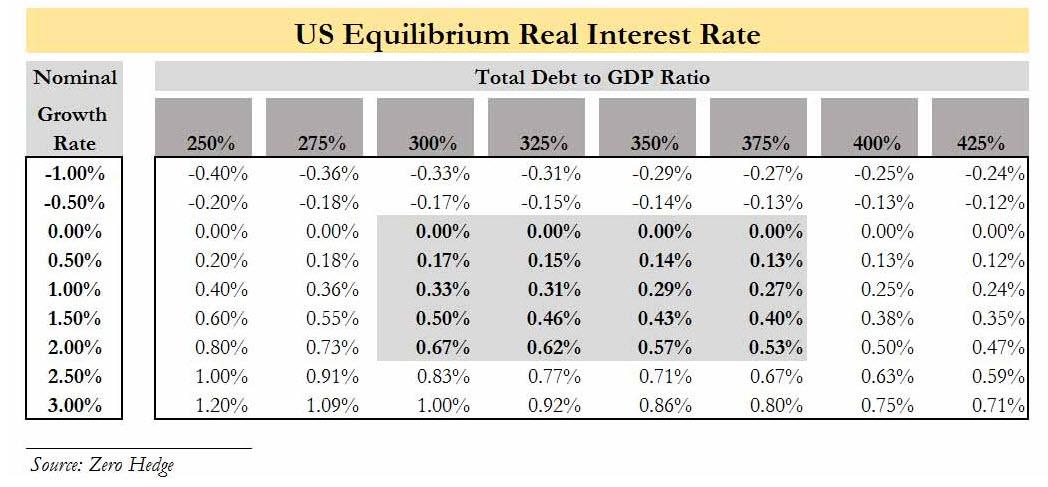
The bottom line, for those who missed our lengthy take on this complex topic is that the equilibrium growth rate in the US, or r* (or r-star), was far far lower than where most economists thought it was. In fact, as the sensitivity table below which we first constructed in 2015 showed, the equilibrium US growth rate was right around 0%. This means that each and every attempt by the Fed to tighten financial condition will end in disaster, the only question is how long it would take before this happens.
Today, we won't recap the profound implications from Powell's huge policy error which we laid out previously (we suggest readers familiarize themselves with our recent work on the topic published in "Powell Just Made A Huge Error: What The Market's Shocking Response Means For The Fed's Endgame"), but we will touch on a recent blog by Deutsche Bank's Saravelos - who unlike most of his peers on Wal Street, has a clear and correct read on what is currently going on in the market - and to help clients comprehend what's actually going on, he has penned a simple framework to understand current market behavior. As Saravelos puts it, "there is no “puzzle” in the way global bond markets are behaving and it is entirely possible for yields to fall as inflation pressures rise."
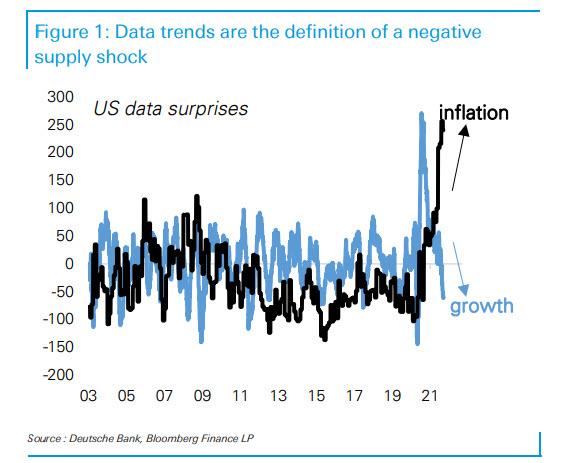
As Saravelos explains, the starting point is that over the last six months the global economy has been experiencing a negative supply shock due to COVID. This can be most clearly seen in the incredibly sharp run-up in inflation surprises against the equally incredible sharp run-down in growth surprises.
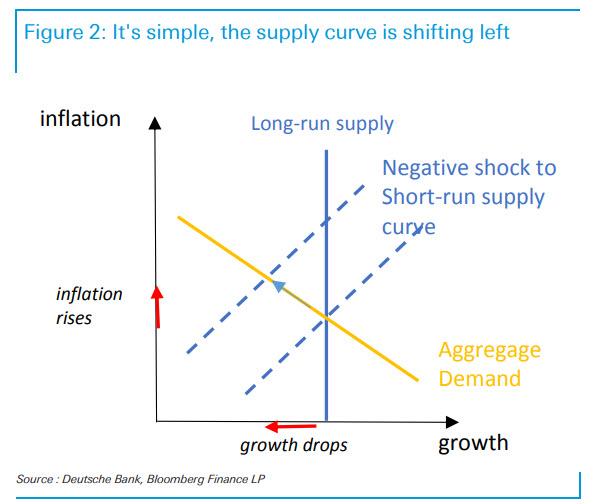
In simple Econ 101 terms, we are experiencing a leftward shift in the global economy’s supply curve. A negative supply shock (permanent or not) does two things: it lowers growth and increases inflation.
This is exactly what markets have been doing: inflation expectations are close to the year’s highs, but real rates (the closest market equivalent to a measure of real growth) are at the year’s lows.
The moves in the two variables are therefore entirely consistent with the incoming data.
Now what is most notable is that real yields have dropped more than inflation expectations have risen. The combined effect has been to lower nominal yields.
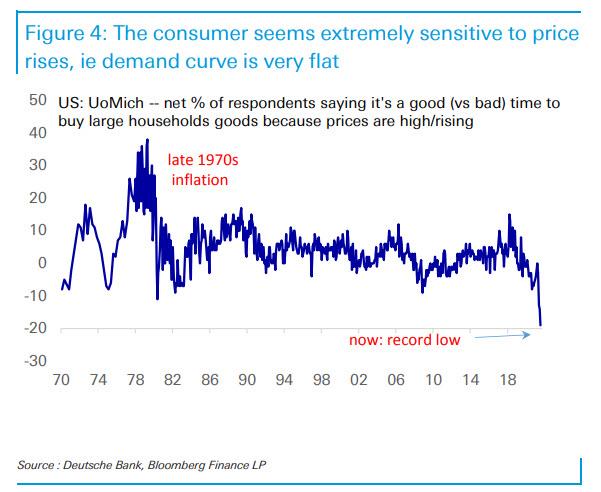
As Saravelos puts it, "there is nothing surprising about this, because there is nothing automatic about which effect dominates" and it ultimately depends on consumer sensitivity to rising prices, or in wonkish terms the slope of the demand curve: the greater the demand destruction from price rises, the bigger the negative effect on growth relative to inflation pushing yields down and vice versa. So, what the market is effectively doing, is pricing in substantial demand destruction from the supply shock.
Is this the correct thing to be pricing? Perhaps it is, we have been highlighting this unfolding demand destruction since May, and consumer confidence in the US is collapsing.
What about central bank reaction functions? There is an automatic belief in the market that higher inflation should mean more hawkish central banks. But as the DB strategist notes, "this belief rests on 30 years of demand shock management, where inflation has always and everywhere been positively correlated to growth." And as an interesting aside, according to Saravelos, Larry Summers was right about inflation risks this year but wrong about the cause: lower supply has dominated over stronger demand. A supply shock similar to the one we are currently experiencing means the central bank response is not obvious, and as a result "raising rates will only make the growth shock worse." By implication, tapering - which is tightening no matter what you read to the contrary - will similarly be a policy mistake and compound the economic slowdown, leading to an even more powerful easing reaction in the coming quarters.
Which brings us to central banks' characterization of the current inflation shock as transitory; as DB explains, it is another way of saying that they currently prefer to accommodate rather than respond to the supply shock. In terms of capital markets, ss long as the Fed looks through the shock, risk appetite will likely stay resilient, the dollar weak and volatility low. However, the moment the Fed does respond, all bets are off.
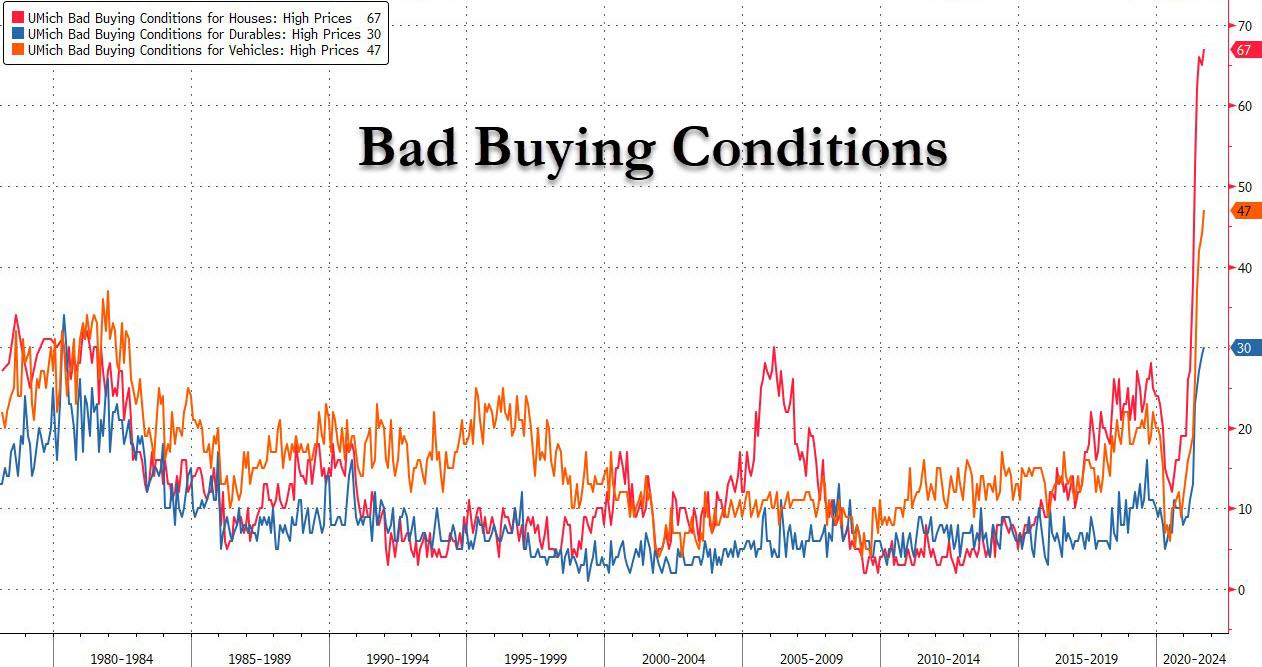
Bottom line, current market pricing is fully in line with a supply side shock with very strong demand destruction effects. A low r*, as we have been arguing since 2015 and again since June, is likely to prevail post-COVID only flattens consumer demand curves further. Saravelos concludes that "he continues to believe that it is the behavior of the consumer, including the desired level of precautionary savings as well as the response to the unfolding supply shock that is the most important macro variable for the market this year and beyond." As such, the latest UMich survey which showed that Americans are panicking over soaring inflation, and whose buying intentions have plunged to the lowest levels on record...
... is extremely alarming.

(ZH) JPMorgan: DeFi Adoption By Institutional Investors Surges

JPMorgan: DeFi Adoption By Institutional Investors Surges

It was a busy week for crypto, with many updates in JPMorgan's weekly Crypto Weekly note. Here are the highlights:
  • Bitcoin and ether prices rise in the week. The price of bitcoin and ether rose by about 4% w/w and 6% w/w to $48.1K and $3.6K, respectively. This recovery follows the price decline across major cryptocurrencies after a selloff in the last week. The price of ether gained following the news of its co-founder Vitalik Buterin making it to the TIME's 'Most Influential' List.
  • Trading volume of major cryptocurrencies decline w/w. The average daily volume (ADV) of Bitcoin and Ether declined by 18% and 21% w/w, respectively, as did volatility. The ADV of Litecoin, Dogecoin and Uniswap also declined during the week.
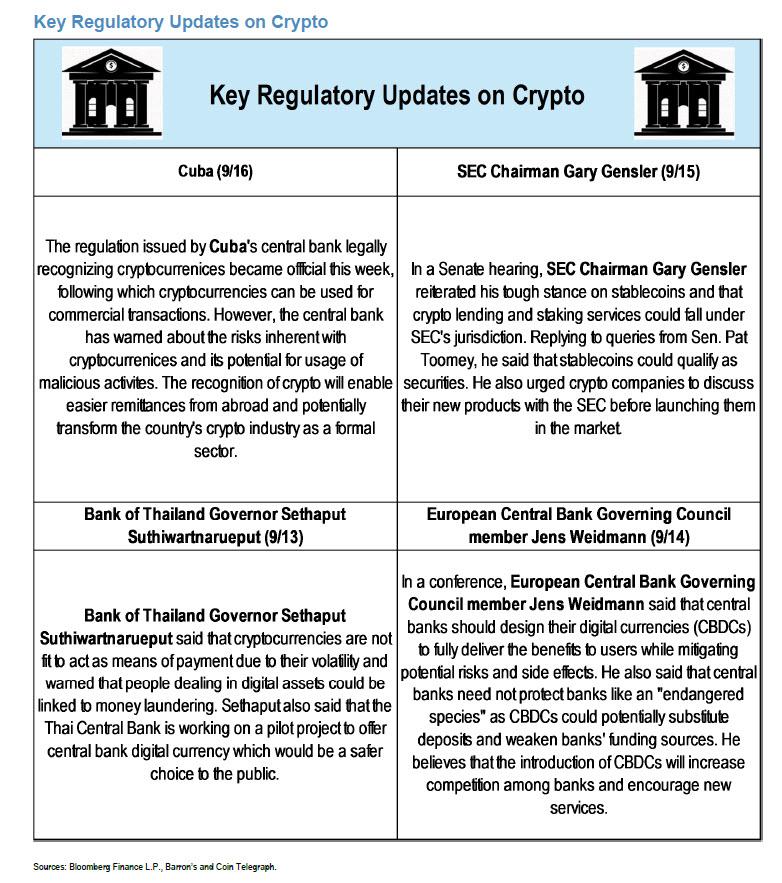
  • At the Senate hearing, SEC Chair Gary Gensler reiterated that most cryptocurrencies, including stablecoins, qualify as securities, which should not be sold without proper risk disclosures. He also said that crypto lending and staking services are likely to fall under SEC’s jurisdiction as lending products come under the securities laws.
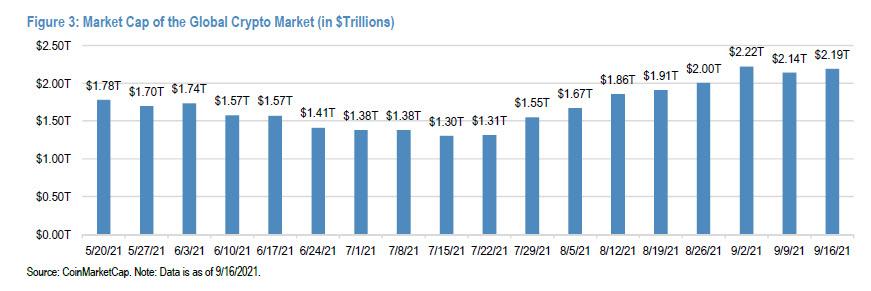
The size of the global market increased in the past week, with the global crypto sector’s market cap increasing 2.2% w/w from $2.1 trillion to $2.2 trillion as of 9/16.
A snapshot of the key regulatory updates this week:
It continues to be a busy time for crypto adoption by financial institutions. Among the notable developments:
  • Interactive Brokers will start offering cryptocurrency trading and custody services for Bitcoin, Ethereum, Litecoin and Bitcoin Cash.
  • Fidelity Digital Assets plans to increase its headcount by up to 70% between April and year-end. It also plans to offer yield funds and other products related to stablecoins or decentralized finance (DeFi) coins.
  • The Fairfax County pension funds will invest a total of $50 million in a fund which invests in digital tokens and cryptocurrency derivatives. Earlier this year, the pension funds also invested in a crypto venture capital fund.
  • Franklin Templeton is raising $20 million for the firm's first blockchain VC fund. The fund was already raised $10 million from a single sale. The firm is also recruiting engineers in "tokenized asset development department."
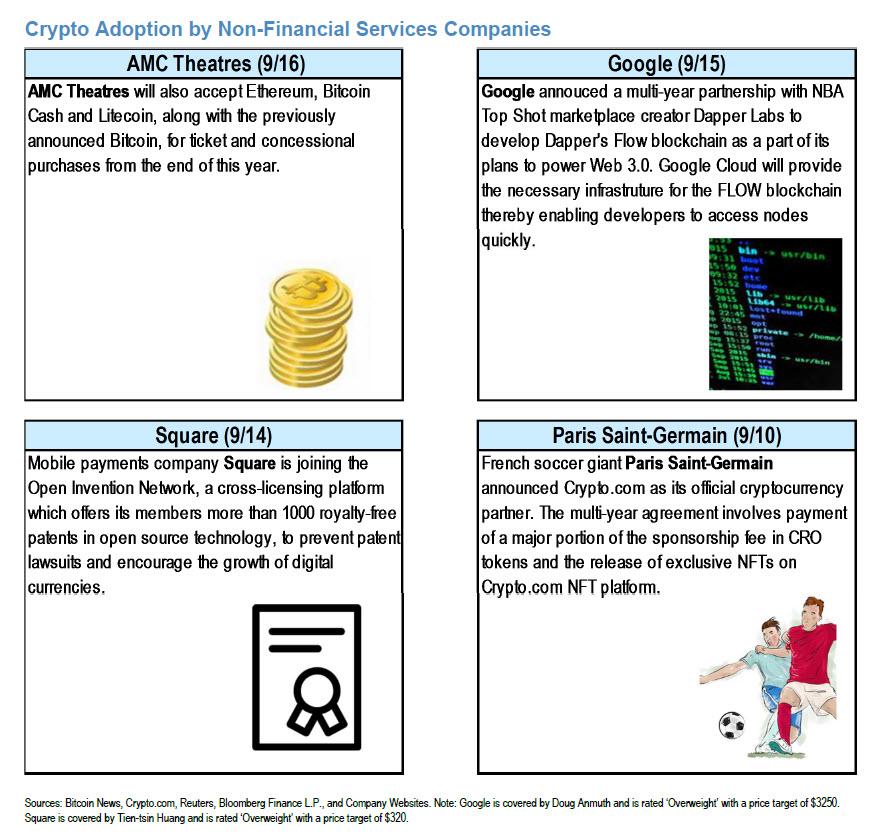
There was also a flurry of news on the adoption by non-financial services companies, including AMC Theaters accepting most cryptos, Googles announcing the development of an NBA-linked blockchain, Square joining the open invention network, and Paris Saint Germain announcing crypto.com as its official cryptocurrency partner.
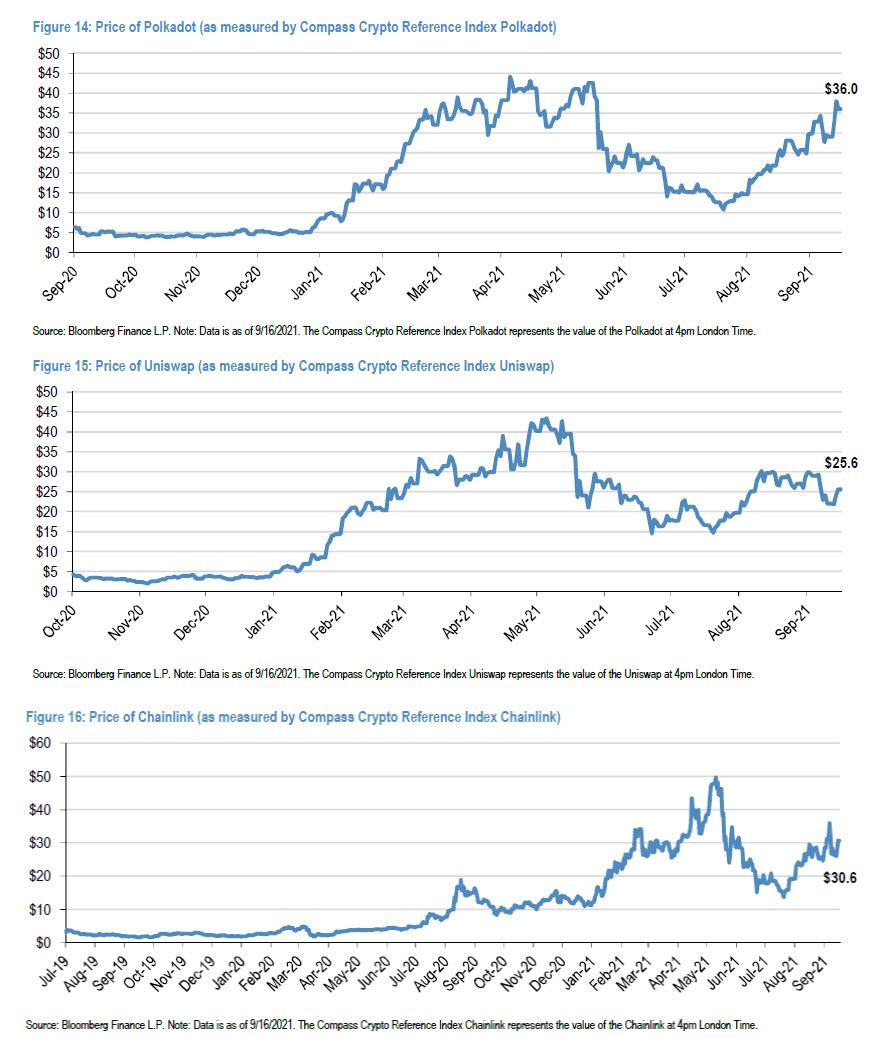
Which brings us to the main story: according to JPMorgan, the second quarter of 2021 saw an increase in DeFi adoption by institutional investors as more than 60% of all DeFi transactions were over $10 million versus less than half in the broader crypto market. Institutions in major economies are driving the DeFi activity as emerging markets are still adopting traditional crypto assets.
Huobi Ventures announces a $10mm GameFi fund (9/14) to invest in projects developing blockchain based games with “play-to-earn” features such as those in Axie Infinity. Huobi also set up a $100mm DeFi fund and a $10mm NFT fund in May.
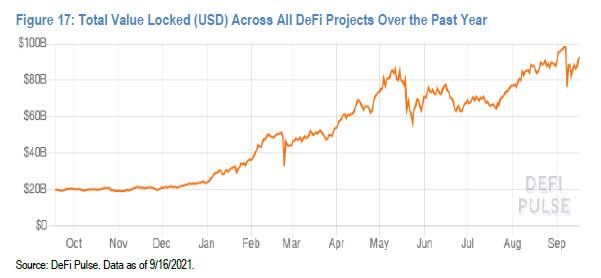
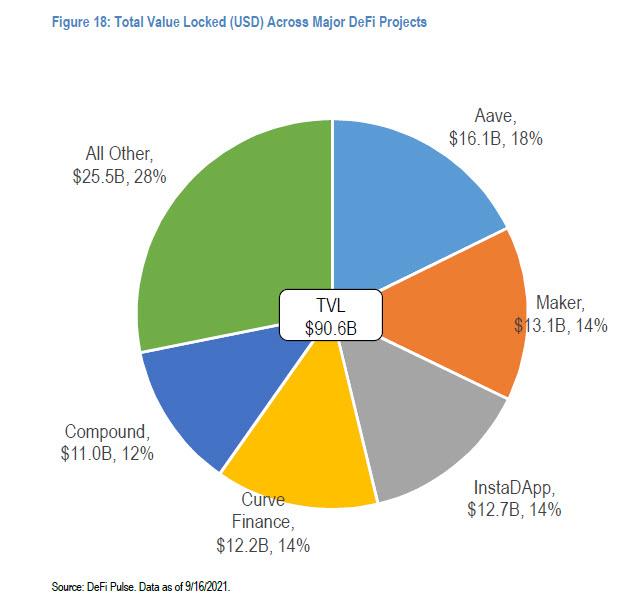
Total Value Locked (TVL) Across DeFi Projects is rising. Total value locked (TVL) refers to the total dollar amount of assets that is staked or “locked” up across all DeFi protocols. Put differently, TVL does not refer to transaction volumes or market cap of cryptocurrencies but rather the value of reserves that are “locked” into smart contracts. TVL can help assess the health of the entire DeFi ecosystem or a specific DeFi project or app. This value does not represent any leverage created by the underlying crypto assets. In traditional finance, this could be thought of as deposits in the banking system. Examples of assets included in total value locked include crypto assets staked in yield protocols (ex. depositors earn yield on staked crypto), lending protocols (ex. borrowers post collateral for loans), staked in automated market maker exchanges (ex. liquidity pools for decentralized exchanges), and underlying synthetic assets. As of 9/16/2021, total value locked in DeFi protocols stands at $90.6B.