Stocks in Asia rose Wednesday as investors weighed prospects for a de-escalation in the war in Ukraine that could reduce pressure on commodity prices, allowing inflation to ease and slowing the pace of monetary policy tightening.
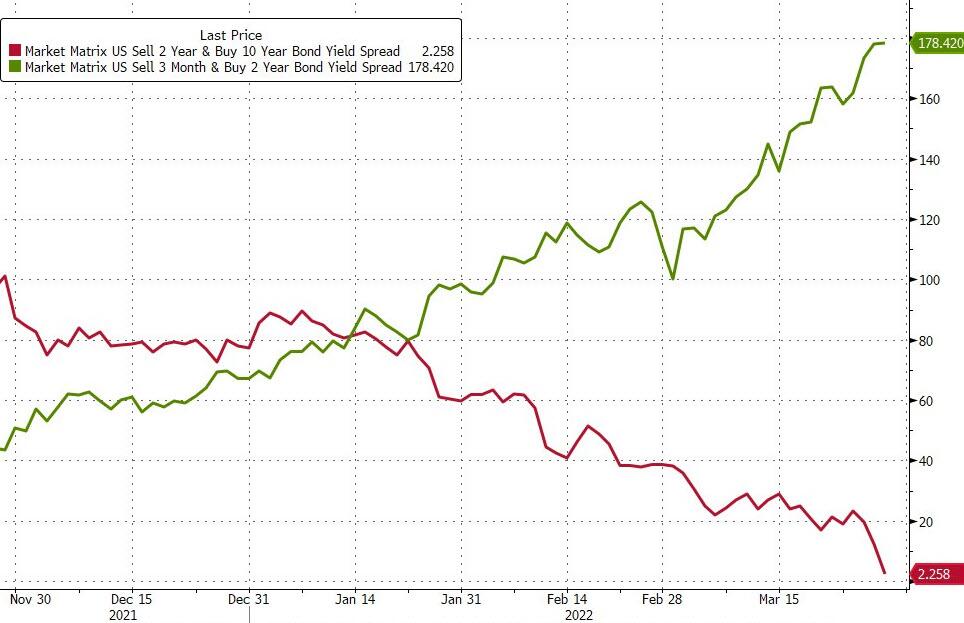
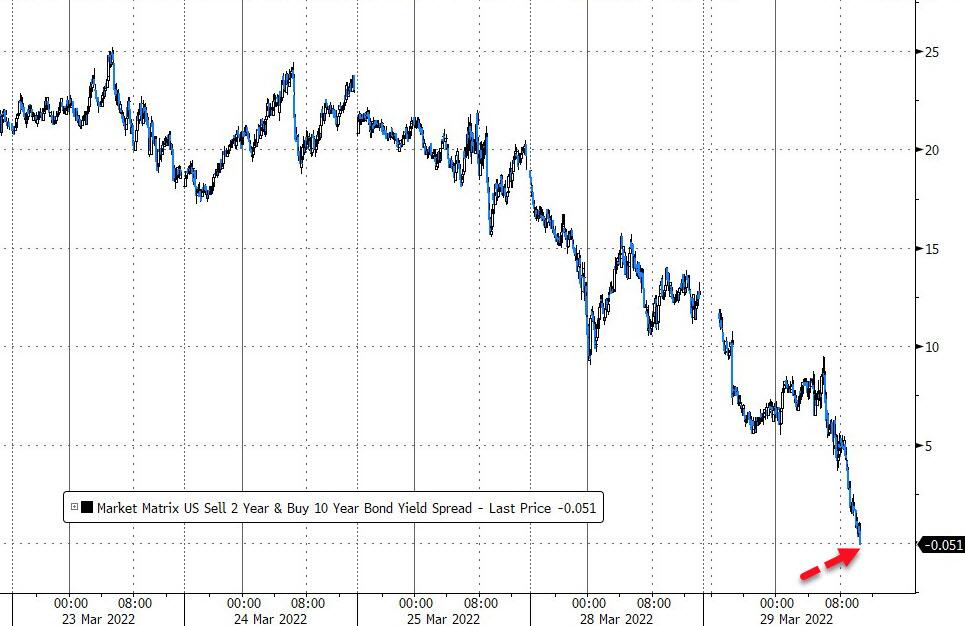
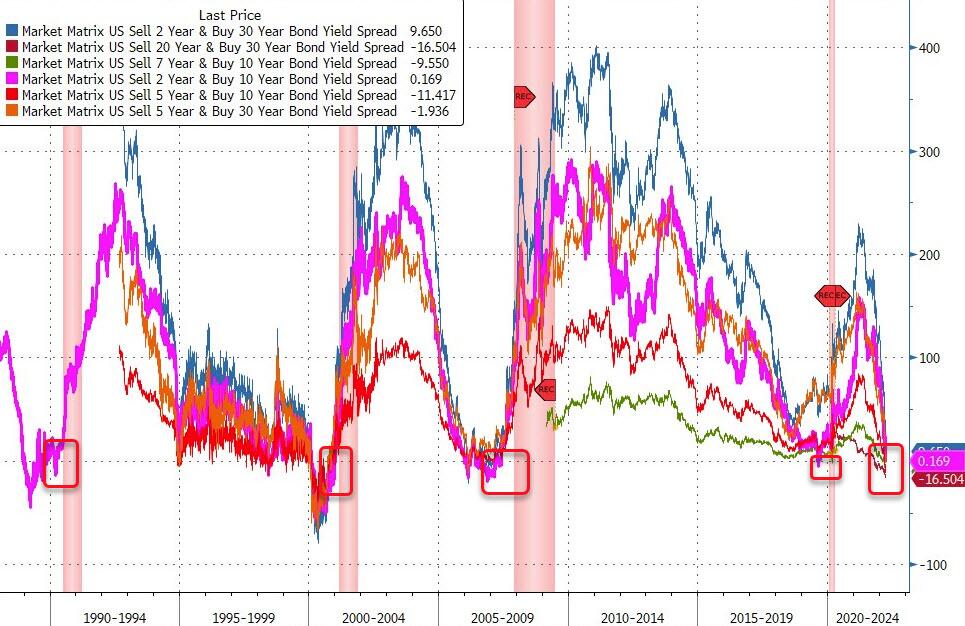
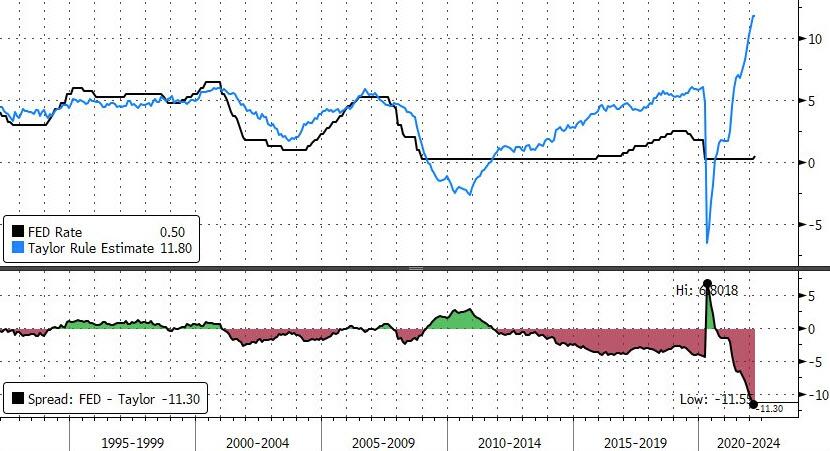
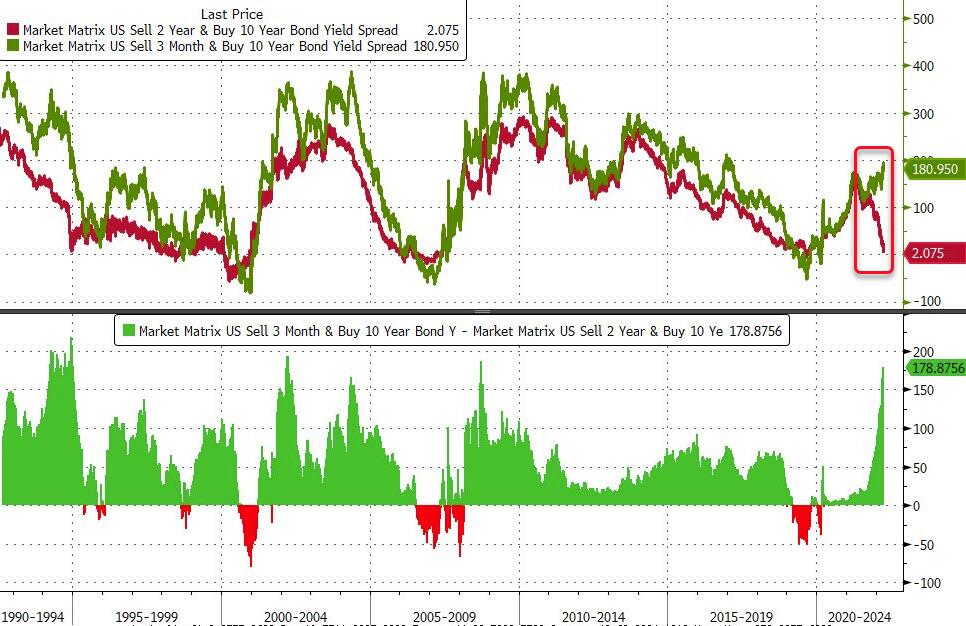
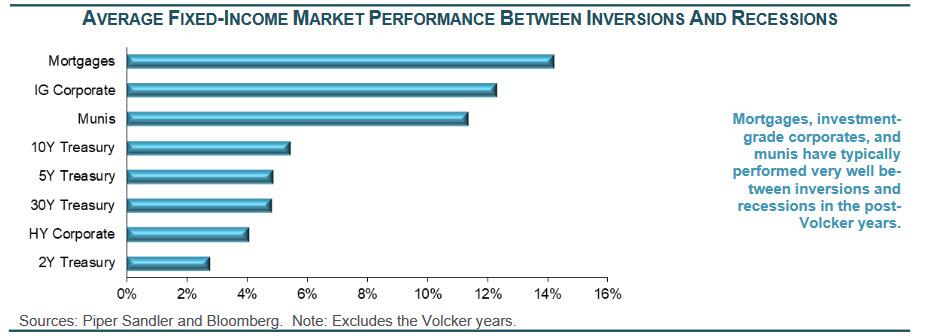
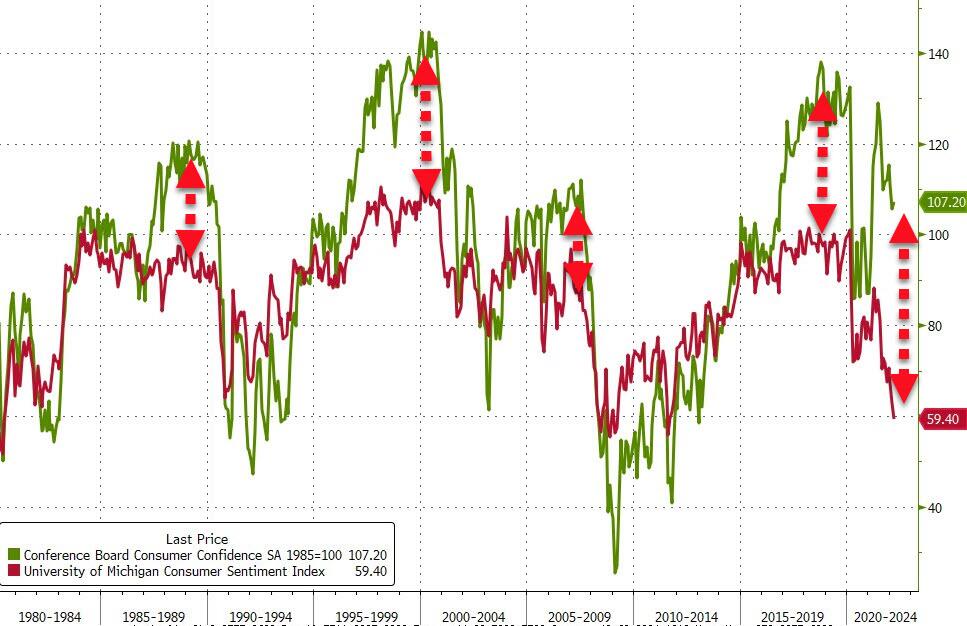
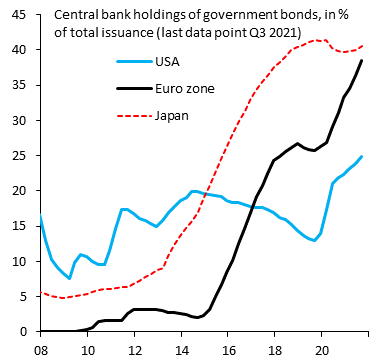
A gauge of Asia Pacific shares rose for a second day, lifted by Hong Kong and China. Equities fell in Japan as the yen lifted off a six-year low and as some stocks traded without the rights to the next dividend. U.S. futures wavered after the S&P 500 gained for a fourth day and the Nasdaq 100 also climbed. Bonds got a reprieve from their recent rout as hopes for progress in talks between Russia and Ukraine drove down oil prices and inflation expectations. A slide in long-end yields saw the two- to 10-year curve briefly invert -- typically a signal of impending recession, though its accuracy is in doubt after years of heavy stimulus. In Japan, bonds climbed with the yen after the Bank of Japan pledged to buy more securities than planned and include longer-dated debt. Oil reversed a little of its slide as investors remained circumspect about the chances of a resolution to the war. Russia said it will sharply reduce military activity near Ukraine’s capital Kyiv and its chief negotiator said Moscow would take steps to “de-escalate” the conflict. The talks failed to reach agreement on a cease-fire, however, and the Pentagon said Kyiv remains under threat. The dollar slipped. Consumer sentiment appears resilient, as the latest U.S. confidence data suggest solid job growth has offset Americans’ concerns over accelerating inflation for now. Government data Friday are expected to show the economy probably added close to a half million jobs in March as the unemployment rate fell to 3.7%. Chinese technology stocks pared gains after a Wall Street Journal report of new curbs in the live-streaming industry. US after Hours MLKN +9.1%, LULU +7.4%, MU +4.1% higher on earnings; CHWY -13.3% falls on earnings; RH +0.7% up on earnings and plans for a 3-for-1 split
Nikkei -1,73% Hang Seng +1,17% CSI +2,16% Shanghai +1,45% Shenzen +1,73%
Eur$ 1,1109 CNH 6,3680 CNY 6,3595 JPY 121,94 GBP 1,3100 CHF 0,9287 RUB 90,8125 TRY 14,6185 WTI$ 104,5 Gold 1,923,82 BTC 47,400 -0,15% ETH 3,390 -0,03%
S&P -0,0% Nasdaq -0,05% EuroStoxx 0,00% FTSE +0,08% Dax -0,14% SMI +0,00%
Macro :
- BofA Warns Stock Surge Is Bear-Market Trap With Curve Inverted
- U.S. Short Sellers Face Risk of Squeezes, Citi Strategists Say
- U.S. Short Sellers Face Risk of Squeezes, Citi Strategists Say
- Hedge Funds That Took Abramovich’s Billions Have No Way Out
- Hackers Steal $590 Million From Ronin in Latest Bridge Attack
- China Is Systemic Rival Threatening German Economy, Lindner Says
Keep an eye on :
Keep an eye on :
- AB FP : AB Science Says It’s Evaluating Whether to Appeal AMF Decision
- AIR FP : Air Canada Aims to Eventually Operate 45 Airbus A220s
- BESI NA : BE Semiconductor to Offer EU175M 7-Year Convertible Notes: Terms
- DBK GY : Nexi Shares Sold for Gross Proceeds of About EU38.3m: Terms
- EKTAB SS : Elekta: NHS Supply Chain Ordered Multiple Licenses for Proknow
- EDP PLC : EDP Holder BlackRock Raises Stake to 10.01%
- ECV GY : Encavis Sees 2022 Oper Ebitda Above EU285M, Est. EU262.5M
- EOAN GY : Fortescue Provides Clarification on Comments on MoU With E.ON
- G IM : Del Vecchio, CRT End Generali Investors Consultation Pact
- KIN BB : Nicolas De Clercq to Depart as CFO of Kinepolis
- MTO LN : U.K. CMA Raided Mitie Office Earlier in March, Guardian Reports
- KCR FH : Cargotec, Konecranes Abandon Merger After DOJ Threatens to Sue
- NENTB SS : Nent Proposes Name Change to Viaplay Group
- NEXI IM : Nexi Holder Deutsche Bank Offers About 3.48m Shares: Terms
- PNL NA : PostNL Calls Belgian Action Out of Proportion, Unacceptable
- RNO FP : Renault Is Said to Explore AvtoVaz Ownership Transfer in Russia
- RNO FP : Renault Is Said to Explore AvtoVaz Ownership Transfer in Russia
- SHEL LN : Shell to Boost Supply of Key Oil Grade From U.S. Gulf of Mexico
- SIP BB : Sipef Warns For Upward Price Pressure On Indonesian Palm Levy
- TIT IM : Telecom Italia Is Said to Ask for Details on KKR Bid by April 4
- UBS SW : UBS Starts New $6B Share Buyback Program As Of March 31
- URW NA : Unibail-Rodamco-Westfield To Reinstate Dividends From 2023