FT : Value of UK takeover bids outstrips new London listings by 27 to 1

Value of UK takeover bids outstrips new London listings by 27 to 1
Bids for listed companies worth nearly £60bn while combined market value of new entrants stands at only £2.2bn

The value of bids for companies on London Stock Exchange is 27 times greater than the value of new entrants so far this year, raising fresh fears about the shrinking of the UK’s public markets.

Despite initial hopes that 2026 would spark a revival for the LSE, there have been just seven listings in the first half of the year, raising £577.2mn in total, according to data from professional services company EY.

The total market value of the new listings is £2.2bn, mainly driven by the float of a stake in Uzbekistan’s national investment fund, which also raised the largest amount of all the listings at £511mn.

The dearth of new listings comes as overseas buyers are snapping up UK companies at a record pace.

This year there have been 28 proposed takeovers of UK companies worth more than £100mn, according to separate data from Peel Hunt, with a total value of £59.7bn, or about 27 times the new entrants’ value.


These include private equity group EQT’s £9.5bn move for Intertek, insurer Beazley’s £8bn takeover by Zurich, Castlelake’s £5.5bn bid for easyJet and the £2.7bn acquisition of Tate & Lyle by Ingredion.

The total also includes bids that are still under negotiation or which have been rejected but where an improved offer is still possible under UK takeover rules, such as Prologis’s £12.6bn move for Segro. Even if such deals fell through, the value of acquisitions agreed so far this year for London-listed companies would still far outstrip the value of newly listed companies.

“The problem is that while there are small companies listing in London, they aren’t enough to move the needle,” said Charles Hall, head of research at Peel Hunt. “Let’s not pretend the inflows of companies coming to London are anywhere near enough to make up for the outflows. We need urgent action to address it.”

The buoyant IPO market in the US has served to further underscore London’s problems. There were 72 listings across the Atlantic in the first half of the year, raising $128bn, led by the record-breaking $86bn float by SpaceX.

There had been hopes that London’s listing market would be kick-started this year with a €19bn float of software group Visma, only for a software rout to prompt its private equity owner HG to pause its IPO plans.

A separate listing of Love Holidays was also thwarted by the travel turmoil caused by the Middle East conflict.

However, IPO advisers say that with markets no longer pricing in interest rate increases and commodities prices stabilising, conditions for potential listings had improved.

Possible London IPO candidates this year include Waterstones, the bookshop chain, and AS Watson, owner of Superdrug, although it is still possible that timetables slip again or that another external shock damps investor appetite.

Scott McCubbin, UK IPO leader at EY-Parthenon, the consulting arm of Ernst & Young, said: “The market is building on the improving conditions seen earlier in the year, with strengthening global momentum supporting a gradual reopening. While activity remains below historic averages, the direction of travel is encouraging, with confidence increasingly translating into execution.”

Others claim London is outperforming Europe for capital raising and has a healthier list of IPO candidates than leading European exchanges. LSE figures show more than £6.7bn was raised in follow-on equity fundraising by companies on its market in the first half of the year.

Mark Austin, partner at Latham & Watkins who sits on the UK’s Capital Markets Infrastructure Taskforce, said: “It’s testament to the reforms of the last few years and the fact that the UK now has the least frictional listing regime in Europe. Popular reports of its death are, as Mark Twain said, greatly exaggerated.”

The government, regulators and stock exchange have tried to attract more companies to list in London by relaxing rules, including on free floats and disclosure requirements. However, many believe that more action is required to encourage more capital to back British companies.

Andy Haldane, the former Bank of England chief economist who is advising the UK’s likely new prime minister, Andy Burnham, recently proposed removing tax incentives on pension investments overseas as a means to encourage a home bias in investment.

FT : Ships to pay higher EU carbon fees as Brussels seeks to close loophole Move

Ships to pay higher EU carbon fees as Brussels seeks to close loophole
Move to strengthen rules on emissions charges risks causing tensions with trading partners

Ships calling at EU ports may have to pay millions more euros in carbon fees, as Brussels plans to close a loophole that lets vessels cut their emissions bill by making stopovers just outside the bloc.

Vessels sailing to the EU from outside the bloc must buy carbon allowances covering half their emissions for the journey. But officials are concerned that ships from far-flung ports are cutting bills without reducing emissions by stopping at ports near EU member countries, and then counting only the shorter final leg into the bloc.

Brussels plans to tighten the rules by including traffic to North African, Middle Eastern and potentially UK ports in its emissions trading system. The rules currently bring in about €7bn-€9bn each year, according to ECSA, the European shipowners’ association.

EU officials said they wanted to expand a list of non-EU ports counted under the scheme as part of a broader revision of the overall carbon-pricing scheme due this month. This would “reduce the risk of evasion”, said one.

But it risks stoking tension with trading partners in countries such as Egypt, Morocco, Jordan and the UK who could see their ports affected by the change.

One diplomat said that the European Commission’s decision was overdue. “We made a list of ports but it has ended up being small. We need to add to them.”

The measure, which is not yet finalised, is set to form part of a broader review of the bloc’s emissions trading system due on July 17. The review is set to ease emissions rules for businesses and includes moves to expand carbon costs to flights departing the EU and slow down the phaseout of allowances for industry.

The ETS review aims to align the scheme with a target to reduce carbon emissions to 90 per cent of 1990 levels in 2040.

ECSA said this week that approximate annual revenues under the current maritime ETS system would be €7.65bn assuming a carbon price of €85 a tonne of CO₂ emitted or €9bn if costs reached €100 a tonne.

The Commission has already included Tanger Med in Morocco and Port Said in Egypt but officials said they were looking to tweak criteria to tackle evasion around the Mediterranean and potentially the UK.

One Commission official said that ports in areas such as Morocco, Jordan or others were set to be included but that UK ports “should not be as much of a concern”, given plans to link the UK and EU emissions trading systems.

Industry sources have warned that ships are exploiting the loopholes by loading or unloading cargo in ports neighbouring the bloc and then making their final trip into the union.

“A vessel is paying roughly €300,000 per call so what liners decided to do is not to come directly to the European port but to stop at the nearby non-EU ports to benefit from the 50 per cent ETS rules,” said Alberto Rossi, secretary-general of the Italian shipowners’ association Assarmatori.

Another issue was vessels bringing non-EU goods to EU ports for transshipment — where they are moved to different ships before being taken on to their final destination outside the bloc.

Rossi said that transshipment services were also moving to north Africa to evade ETS costs, impacting jobs and potentially giving EU countries less control over their supply chains.

Assarmatori has proposed that all emissions associated with transshipment cargoes are exempted.

The European People’s Party, the influential centre-right political grouping that is the largest in the European parliament, has proposed excluding EU ports that risk losing business due to transshipment from ETS costs. This could include European ports in the Mediterranean in Italy and Spain.

One of the officials added that they were also looking into the transshipment issue but no decision had been made.

Shipowners have been lobbying for more of the revenues raised by the ETS to be returned to the industry as subsidies to boost the use of green fuels. Only 5 per cent of ETS revenues are expected to go back to the maritime sector to decarbonise, ECSA said.

>>> Us AfterHiurs After Hours Summary: PENG +4.8% higher on earnings; SHMD +10%

After Hours Summary: PENG +4.8% higher on earnings; SHMD +10% on investment agreement; MTZ +3.2% higher on M&A news; FCEL -18.3% lower on stock offering

After Hours Gainers:

Companies trading higher in after hours in reaction to earnings/guidance: PENG +4.8%, NYXH +1.8%

Companies trading higher in after hours in reaction to news: SHMD +10% (investment agreement with an institutional investor), MTZ +3.2% (to acquire The Superior Group), PRMB +2% (leadership changes; to eliminate COO role), RIG +2% (Director bought 35,000 shares worth ~$173K), XOM +0.7% (discloses Q2 earnings considerations), LTRX +0.6% (to acquire Vecima Networks' industrial IoT business), LMT +0.5% (awarded a $502 mln Army contract), SPCX +0.4% (looking to launch a new model with Cursor, according to The Info), TMUS +0.3% (announces exec changes), GME +0.2% (shareholders approve increased share authorization), RKLB +0.2% (announces mission success for its role in USSF VICTUS HAZE mission), VNDA +0.2% (FDA grants Rare Pediatric Disease Designation to VCA-894A), AG +0.2% (to sell its San Martin Silver mine)

After Hours Losers:

Companies trading lower in after hours in reaction to earnings/guidance: KRUS -9.8%

Companies trading lower in after hours in reaction to news: FCEL -18.3% (launches $200 mln common stock offering), NVTS -1.2% (WOLF files patent infringement lawsuit against NVTS), GNW -0.1% (CEO taking a health-related temporary leave of absence)

>>> Europe : Brokers Upgrades & Downgrades - 7th of July 2026 V3(++)

>>> Up
* Bloom Energy PT Raised to $246 from $207 at Jefferies
* BT Raised to Buy at Intesa Sanpaolo; PT 219 pence (++)
* CAF Raised to Neutral at CaixaBank BPI; PT 78.65 euros (++)
* Egide Raised to Speculative Buy at Greensome Finance (++)
* Fincantieri Raised to Buy at Equita; PT 15.50 euros (+)
* First Solar Raised to Buy at Deutsche Bank
* Investec Raised to Outperform at Avior Capital Markets
* Julius Baer Price Target Raised to CHF 82 from CHF 70 by Bank of America
* Keller Raised to Outperform at RBC; PT 3,100 pence (+)
* Kion Raised to Overweight at Morgan Stanley; PT 62 euros
* Legrand Raised to Overweight at Barclays; PT 185 euros
* Medartis Raised to Buy at UBS; PT 97 Swiss francs
* Meta Raised to Buy at Erste Group (++)
* Metso PT raised from 18.6 to 18.80 at Goldman Sachs
* MGM Resorts PT Raised to $52 from $46 at Macquarie
* Rentokil Raised to Buy at Goldman; PT 590 pence
* Saab Raised to Overweight at Morgan Stanley; PT 700 kronor
* Sandvik Price Target Raised to SEK 420 from SEK 400 by Bank of America
* Visa PT Raised to $412 from $370 at Baird

>>> Down
* ABB Cut to Hold at Pareto Securities; PT 91.95 Swiss francs
* Barry Calbaut PT cut from 1740 to 1520 at Research Pärtners
* Continental Cut to Hold at Kepler Cheuvreux; PT 80 euros
* Dormakab PT cut from 69 to 61 CHT at UBS
* Exail Technologies Cut to Hold at TP ICAP Midcap; PT 135 euros (++)
* Hawaiian Electric PT Cut to $11.75 from $13.75 at Jefferies
* ITV Cut to Neutral at JPMorgan; PT 85 pence
* Next Geosolutions Cut to Hold at Alantra Capital Markets (++)
* PolyPeptide Group Cut to Sector Perform at RBC
* Siemens Energy Cut to Underweight at Barclays; PT 130 euros
* TGS Cut to Sell at SB1 Markets; PT 100 kroner
* Voyageurs du Monde Cut to Hold at TP ICAP Midcap; PT 180 euros (++)

>>> Initiation
* Ahold Delhaize Rated New Sector Perform at RBC; PT 38 euros
* Carrefour Rated New Outperform at RBC; PT 22 euros
* Colruyt Rated New Sector Perform at RBC; PT 37 euros
* Cranswick Reinstated Overweight at Barclays; PT 6,380 pence
* DiaSorin Cut to Underperform at BNP Paribas; PT 60 euros
* Intelliam AI Rated New Buy at Cavendish; PT 115 pence (+)
* J. Martins Rated New Outperform at RBC; PT 22 euros
* Kongsberg Cut to Underweight at Morgan Stanley; PT 330 kroner
* Lululemon Cut to Underweight at Morgan Stanley; PT $93
* Neste Reinstated Hold at Deutsche Bank; PT 31 euros (+)
* Nordnet Cut to Hold at ABG; PT 390 kronor
* Porvair Rated New Buy at Deutsche Bank; PT 1,050 pence (+)
* SpaceX Rated New Buy at Stifel; PT $190
* SpaceX Rated New Buy at Goldman; PT $205
* SpaceX Rated New Buy at UBS; PT $210
* SpaceX Rated New Buy at Banco BTG Pactual; PT $225
* SpaceX Rated New Outperform at RBC; PT $225
* SpaceX Rated New Overweight at Morgan Stanley; PT $300
* SpaceX Rated New Outperform at Mizuho Securities; PT $200 (++)
* SpaceX Rated New Overweight at JPMorgan; PT $225 (++)
* SpaceX Rated New Buy at Citi; PT $200 (++)
* SpaceX Rated New Buy at Needham; PT $200 (++)
* SpaceX Rated New Overweight at Wells Fargo; PT $230 (++)
* Traton Rated New Buy at SB1 Markets; PT 46.29 euros

>>> Call
* Citi Strategists See Squeeze-Driven Upside in European Stocks (++)
* Goldman Strategists See Earnings Taking HALO Stocks Higher (++)
* DAX Poised for Catch-Up on Tech Rotation: Barclays Strategists (+)
* Carrefour Rated a Top Pick at RBC on Potential for Improvement
* Dunelm Rated New Neutral at BNP Paribas; PT 860 pence
* Kion Rises as Morgan Stanley Upgrades on Attractive Entry Point (+)
* Ned Davis Research Turns Overweight on European Equities
* Siemens Energy Cut at Barclays on Limited Upside to Consensus
* Legrand Raised to Overweight at Barclays on Data Center Demand (+)
* Morgan Stanley Starts SpaceX at Overweight on AI Credentials
* PolyPeptide Cut to Sector Perform at RBC Following Recent Rally (+)
* Rentokil Upgraded at Goldman on Improving Growth; Ferguson Cut (+)

>>> Europe : Brokers Upgrades & Downgrades - 7th of July 2026 V2(+)

>>> Up
* Bloom Energy PT Raised to $246 from $207 at Jefferies
* Fincantieri Raised to Buy at Equita; PT 15.50 euros (+)
* First Solar Raised to Buy at Deutsche Bank
* Investec Raised to Outperform at Avior Capital Markets
* Julius Baer Price Target Raised to CHF 82 from CHF 70 by Bank of America
* Keller Raised to Outperform at RBC; PT 3,100 pence (+)
* Kion Raised to Overweight at Morgan Stanley; PT 62 euros
* Legrand Raised to Overweight at Barclays; PT 185 euros
* Medartis Raised to Buy at UBS; PT 97 Swiss francs
* Metso PT raised from 18.6 to 18.80 at Goldman Sachs
* MGM Resorts PT Raised to $52 from $46 at Macquarie
* Rentokil Raised to Buy at Goldman; PT 590 pence
* Saab Raised to Overweight at Morgan Stanley; PT 700 kronor
* Sandvik Price Target Raised to SEK 420 from SEK 400 by Bank of America
* Visa PT Raised to $412 from $370 at Baird

>>> Down
* ABB Cut to Hold at Pareto Securities; PT 91.95 Swiss francs
* Barry Calbaut PT cut from 1740 to 1520 at Research Pärtners
* Continental Cut to Hold at Kepler Cheuvreux; PT 80 euros
* Dormakab PT cut from 69 to 61 CHT at UBS
* Hawaiian Electric PT Cut to $11.75 from $13.75 at Jefferies
* ITV Cut to Neutral at JPMorgan; PT 85 pence
* PolyPeptide Group Cut to Sector Perform at RBC
* Siemens Energy Cut to Underweight at Barclays; PT 130 euros
* TGS Cut to Sell at SB1 Markets; PT 100 kroner

>>> Initiation
* Ahold Delhaize Rated New Sector Perform at RBC; PT 38 euros
* Carrefour Rated New Outperform at RBC; PT 22 euros
* Colruyt Rated New Sector Perform at RBC; PT 37 euros
* Cranswick Reinstated Overweight at Barclays; PT 6,380 pence
* DiaSorin Cut to Underperform at BNP Paribas; PT 60 euros
* Intelliam AI Rated New Buy at Cavendish; PT 115 pence (+)
* J. Martins Rated New Outperform at RBC; PT 22 euros
* Kongsberg Cut to Underweight at Morgan Stanley; PT 330 kroner
* Lululemon Cut to Underweight at Morgan Stanley; PT $93
* Neste Reinstated Hold at Deutsche Bank; PT 31 euros (+)
* Nordnet Cut to Hold at ABG; PT 390 kronor
* Porvair Rated New Buy at Deutsche Bank; PT 1,050 pence (+)
* SpaceX Rated New Buy at Stifel; PT $190
* SpaceX Rated New Buy at Goldman; PT $205
* SpaceX Rated New Buy at UBS; PT $210
* SpaceX Rated New Buy at Banco BTG Pactual; PT $225
* SpaceX Rated New Outperform at RBC; PT $225
* SpaceX Rated New Overweight at Morgan Stanley; PT $300
* Traton Rated New Buy at SB1 Markets; PT 46.29 euros

>>> Call
* DAX Poised for Catch-Up on Tech Rotation: Barclays Strategists (+)
* Carrefour Rated a Top Pick at RBC on Potential for Improvement
* Dunelm Rated New Neutral at BNP Paribas; PT 860 pence
* Kion Rises as Morgan Stanley Upgrades on Attractive Entry Point (+)
* Ned Davis Research Turns Overweight on European Equities
* Siemens Energy Cut at Barclays on Limited Upside to Consensus
* Legrand Raised to Overweight at Barclays on Data Center Demand (+)
* Morgan Stanley Starts SpaceX at Overweight on AI Credentials
* PolyPeptide Cut to Sector Perform at RBC Following Recent Rally (+)
* Rentokil Upgraded at Goldman on Improving Growth; Ferguson Cut (+)

>>> Abu Dhabi Ruler’s Family Office Is a Global Dealmaking Force

Abu Dhabi Ruler’s Family Office Is a Global Dealmaking Force


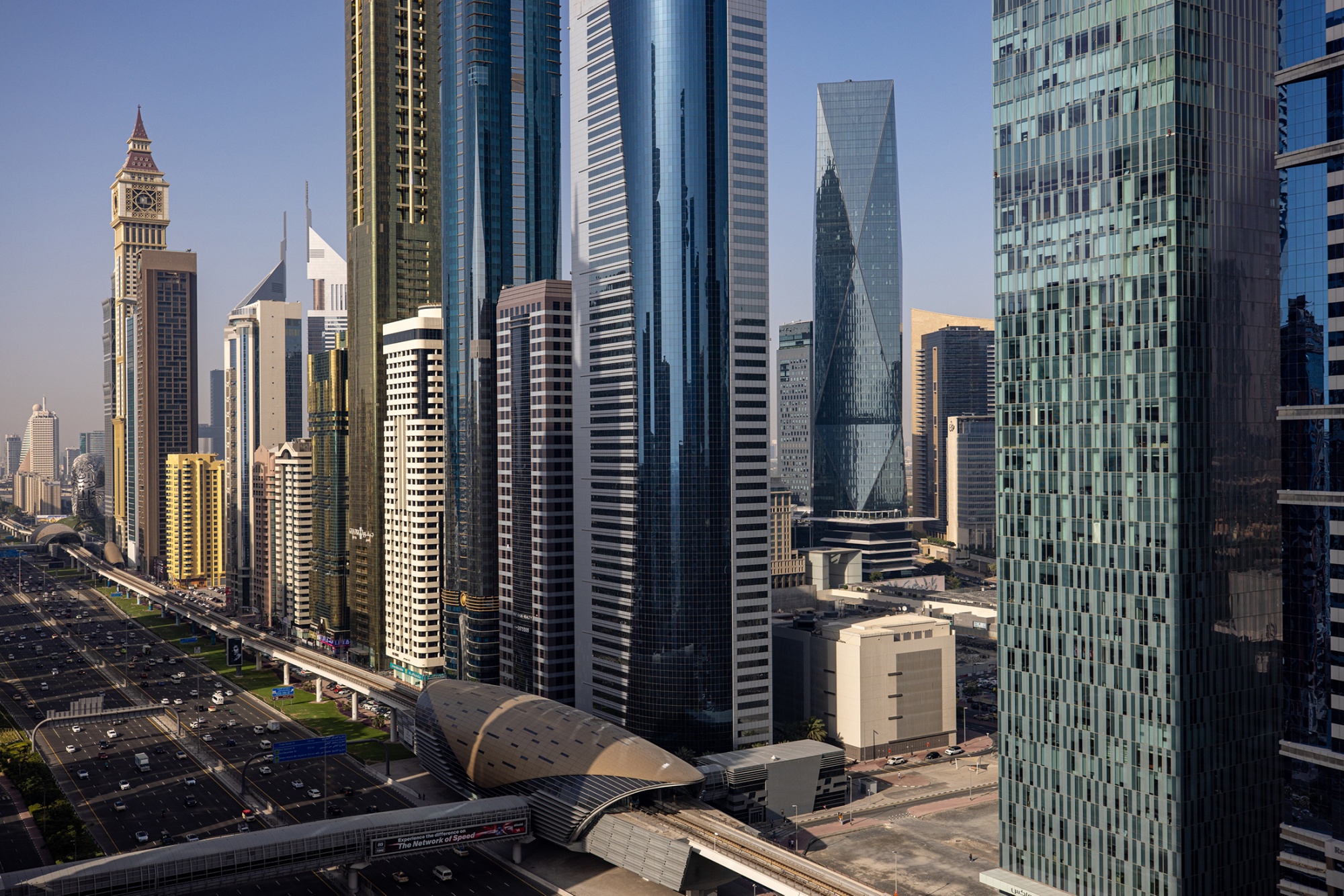
In the heart of Dubai’s financial center sits an investment fund whose name is rarely mentioned in public, though its money surfaces with striking regularity in deals around the world. It operates with such discretion that the identity of its backer was a mystery to at least one long-time employee.

AC Limited
is the family office of
Sheikh Mohamed bin Zayed Al Nahyan
, president of the United Arab Emirates and ruler of Abu Dhabi. Staffed by a team of dealmakers in one of Dubai’s glitziest corporate towers, it’s believed to manage assets worth tens of billions of dollars and has become a crucial pit-stop for fundraising in the Middle East.

The firm has built positions in mega-cap stocks like
Amazon.com Inc.
,
Microsoft Corp.
and
Nvidia Corp.
, and invested with
Blackstone Inc.
and
Carlyle Group Inc.
It has been a shareholder in closely-held companies including supercar maker
McLaren
and a startup developing a
breathalyzer test for cancer
. And it’s helped finance everything from Chinese buyouts to healthcare takeovers in the US and even a luxury hotel on the banks of Venice’s Grand Canal.

Since the start of last year alone, AC Limited has backed
Ardian
’s
record $30 billion secondaries fund
, helped finance a management buyout of European private credit heavyweight
Hayfin
and invested in the nearly $700 million listing of the Uzbek national investment fund. Even after war
upended the regional landscape
, executives from one of the world’s largest banks met senior figures at the family office and left with the impression that its appetite for deals remained undimmed.

This portrait of the fund was compiled through an analysis of regulatory filings around the world and conversations with dozens of people familiar with the matter. Nearly all of them asked not to be named to avoid damaging relationships with an entity striving to keep a low profile. AC Limited doesn’t publicize its investments, and its involvement in the vast majority of these transactions hasn’t been previously reported.

Select Investments of AC Limited
The fund’s sprawling portfolio ranges from tech bets to top buyout funds.
Private Capital
  • Alcazar Capital
  • Apollo
  • Ardian
  • Brookfield
  • Carlyle
  • CPE
  • Fortress
  • Mubadala Capital
  • New Mountain Capital
  • Silver Lake
Credit and Real Estate Financing
  • Blackstone
  • Hayfin
  • M7 Real Estate
  • Signa Group
Technology
  • Alphabet
  • Amazon
  • Hippo
  • MercadoLibre
  • Meta
  • Microsoft
  • Nubank
  • Nvidia
  • TSMC
Healthcare and Life Sciences
  • Danaher
  • Eli Lilly
  • Owlstone Medical
  • Thermo Fisher
  • UnitedHealth
  • VWR
Automotive and Entertainment
  • Endeavor Group
  • McLaren
  • Nio
Industrial and Other
  • GE Vernova
  • iShares Bitcoin Trust ETF
  • iShares China Large-Cap ETF
  • S&P Global
  • Sherwin-Williams
  • UzNIF
  • XCMG
Source: Bloomberg reporting, regulatory filings

In one indication of the secrecy shrouding the fund, none of the people interviewed by Bloomberg News could quite pinpoint exactly how many billions it manages. Yet they all concurred on one specific point: it’s among the most influential family offices globally. Sheikh Mohamed
heads the Al Nahyan clan
, one of the world’s richest families with an estimated fortune exceeding $335 billion, according to the
Bloomberg Billionaires Index
. He’s leader of an emirate that’s home to funds
overseeing more than $2 trillion
, and boasts ties across the top echelons of politics, finance and technology.

Given that heft, some firms have sought out AC Limited for the cachet it bestows beyond the money it brings to the table. Working with the family office is often viewed as a badge of honor, indicating trust from Abu Dhabi’s inner circle and a potential pathway to doing business with other local investing behemoths.

As Abu Dhabi continues to splash out cash globally, AC Limited only stands to grow in importance, according to one person who frequently deals with the entity. Executives at the family office have recently started to consider whether to invest more in the defense industry, people with knowledge of the matter said.

The breadth of these ambitions offers a glimpse into the private fortunes helping cement the UAE’s status as an important destination for Wall Street — and a window into why the titans of finance have continued to head to the country even under the shadow of war. While the region’s rise is largely viewed through the lens of sovereign funds like
Mubadala Investment Co.
and the
Abu Dhabi Investment Authority
, alongside them sits another vast pool of capital: the private fortunes of wealthy royals and family business groups that can rival global institutions in scale.
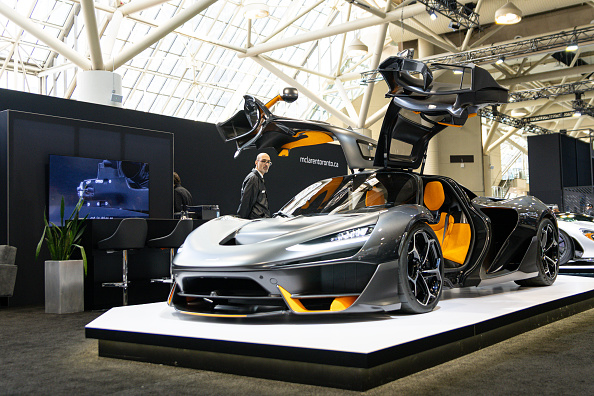
The McLaren W1 at the 2026 Canadian International Auto Show in Toronto. Photographer: Indrawan Kumala/NurPhoto/Getty Images
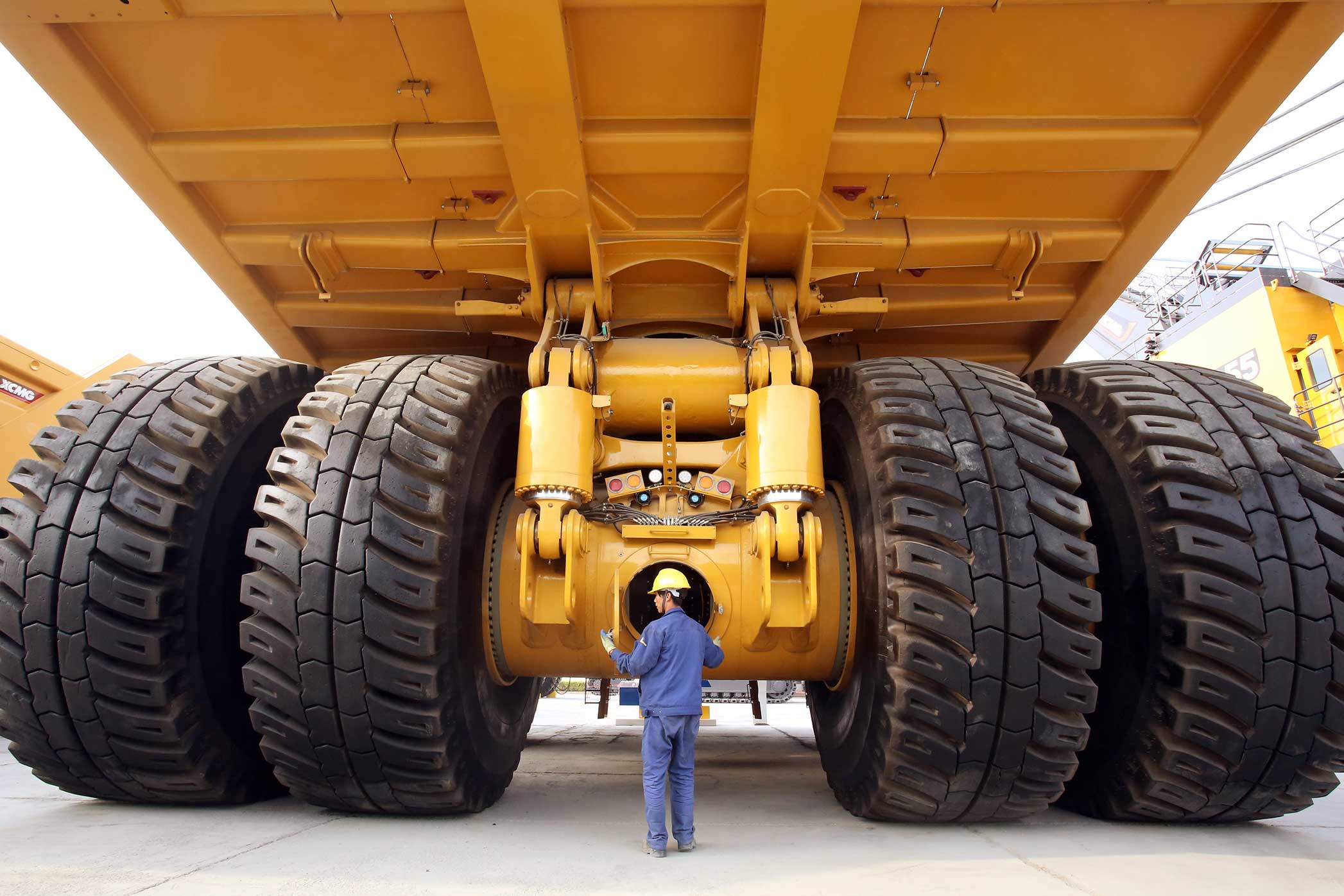
A mining truck is checked at the Xuzhou Construction Machinery Group Co. (XCMG) facility in Xuzhou City, China. Photographer: Cheng Li/Xinhua/Getty Images

“Abu Dhabi has staggering amounts of cash, with many pools for the foreign funds to tap,” said Michael Field, a British author and consultant on Gulf ruling families. “AC Limited is a natural stop for any visiting private equity or hedge fund executive.”

For the biggest names in the business, the outfit has been seen for years as an important provider of capital. When
Goldman Sachs Group Inc.
was advising
Elon Musk on potential
funding sources
for his ultimately unsuccessful $82 billion
bid
to take
Tesla Inc.
private in 2018, AC Limited featured on a confidential list of go-to investors.

Royal family offices are “indispensable and influential partners” in global finance across asset classes for those in the know, said
Martin Roll
, a family business strategist and senior adviser at McKinsey & Co. But despite being “deeply embedded in private markets and holding major positions across the public ones,” they prefer to shy away from the limelight, he said.

Indeed, AC Limited has worked to avoid any mention of its royal connections, and doing business with the family office comes with caveats. Asking representatives of the firm whose money they manage is a quick way to end the meeting, according to an executive at a top US hedge fund that raises capital in the Middle East. A spartan
one-page website
makes no mention of a royal backer, and doesn’t identify members of the executive team or specific investments.
ICD Brookfield Place in Dubai, home to AC Limited’s office. Photographer: Christopher Pike/Bloomberg

In fact, the bulk of its dealmaking is orchestrated by a cast of characters with experience at top sovereign funds like Mubadala,
Investment Corp. of Dubai
and the
Abu Dhabi Investment Council
. Some have worked at
Cerberus Capital Management
,
Citadel
,
Credit Suisse
or
Warburg Pincus
. While many were lured with competitive pay packages tied to investment performance, there are other perks as well: AC Limited’s stake in McLaren afforded staff a roughly 50% discount on the British automaker’s $400,000 sports cars, people with knowledge of the matter said.

The top of the AC Limited pyramid includes a clutch of executives who earned their stripes at Mubadala. Two alumni of the sovereign fund hold key positions:
Ossama Khoreibi
is chief executive officer, while
Dae Ha
, who was once a combat medic in the US Army, has been serving in a senior role directing investments.

Khaldoon Al Mubarak
, a
trusted adviser
to the royal family and Mubadala’s CEO, sits on AC Limited’s board. Abu Dhabi Crown Prince
Sheikh Khaled bin Mohamed Al Nahyan
, who is Sheikh Mohamed’s son and has taken an increasingly
prominent dealmaking role
in recent months, helps with oversight.
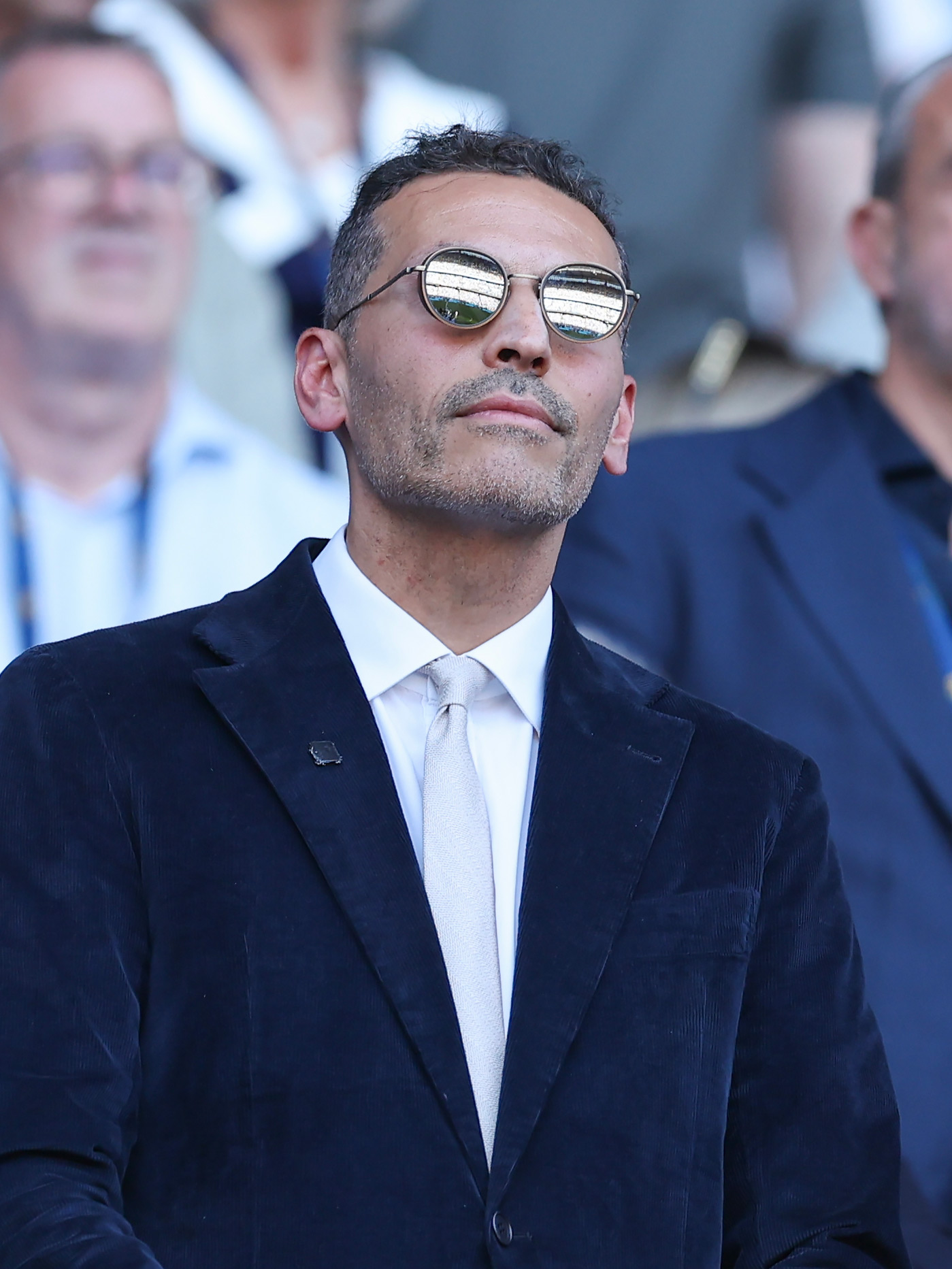
Khaldoon Al Mubarak Photographer: Lee Parker/CameraSport/Getty Images
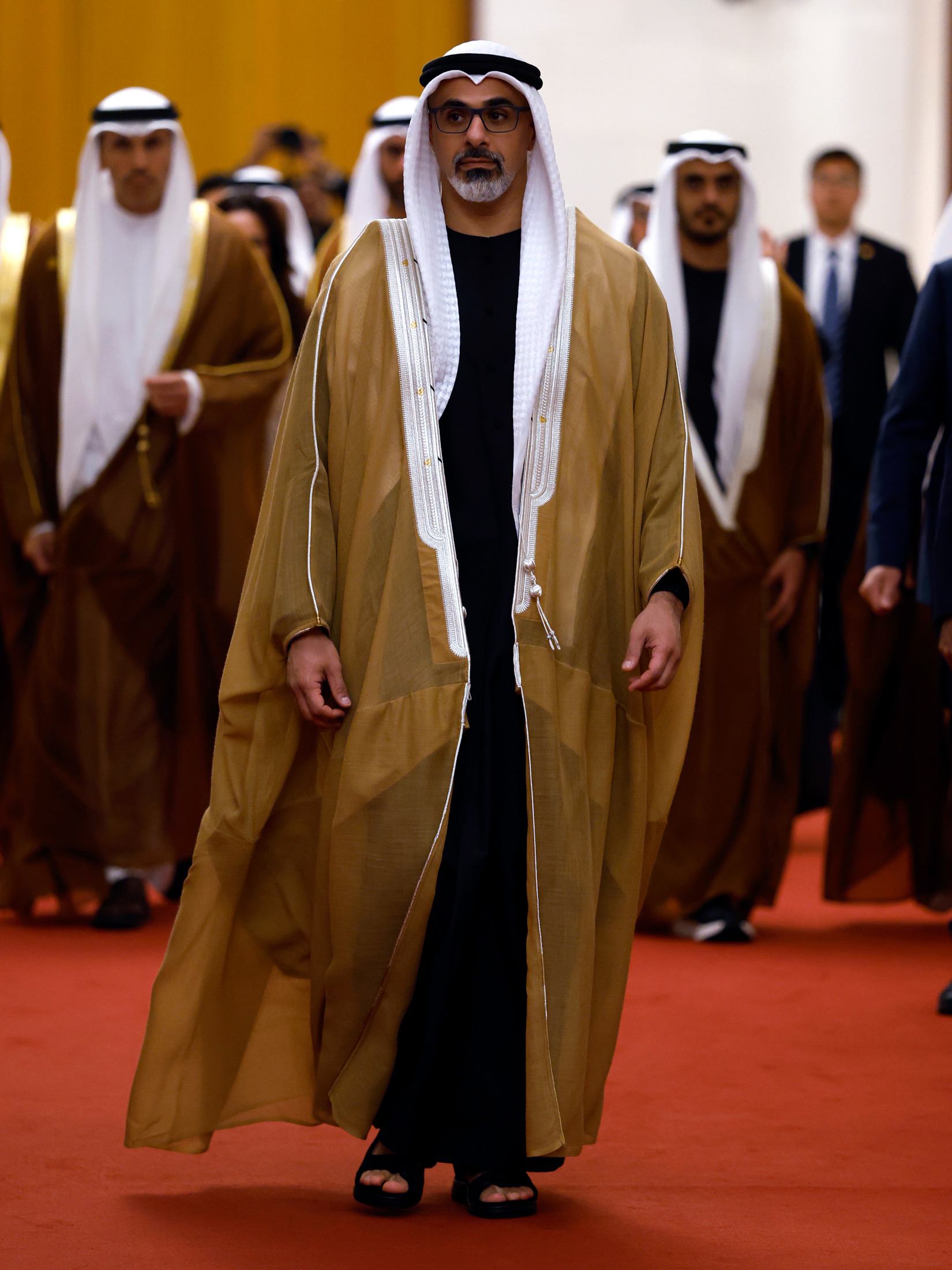
Sheikh Khaled bin Mohamed Al Nahyan Photographer: Haruna Furuhashi/Pool/Getty Images

Former Rothschild & Co. banker
Olivier Courtois
is a key executive who’s helped oversee private investments, while
Rishi Renjen
, a veteran of hedge fund Maverick Capital, leads public-markets investing. They’re among dozens of AC Limited employees who work from a skyscraper that also houses
JPMorgan Chase & Co.
One visitor described AC Limited’s office as the nicest corporate digs they’d ever seen, featuring a bathroom stocked with every type of perfume imaginable.

“They’re an institutional-caliber family office,” said Paul Westall, co-founder of London-based family office recruitment firm Agreus. “They’re one of the big ones and very sophisticated in their operations.”
That shows up in the variety of AC Limited’s investments.

It has a relatively high allocation to private markets and invests in leveraged buyouts, secondaries, private credit and real estate debt. Its relationships span the biggest names on Wall Street, from
Brookfield Asset Management Ltd.
and
Apollo Global Management Inc.
to
Silver Lake
and
Fortress Investment Group
. It’s also backed funds from
Mubadala Capital
and Dubai-based emerging markets specialist
Alcazar Capital
.

Like other outfits in the UAE, AC Limited has become a major player in the credit world. It holds an indirect stake in Hayfin after helping fund a management buyout completed last year. And it has put money into vehicles linked to European warehouse specialist
M7 Real Estate
as well as an
$8 billion
Blackstone Real Estate Debt Strategies fund.

Elsewhere, AC Limited has backed a $2 billion Chinese buyout fund run by Citic’s private equity arm, which participated in the landmark restructuring of state-owned excavator manufacturer XCMG. And the fund teamed up with
New Mountain Capital
when it
bought
publicly-traded lab supply company
VWR Corp.
for $6.4 billion including debt in 2017.

It’s invested in at least one deal that soured, providing debt in 2023 to fund the development of luxury properties owned by Austrian businessman
Rene Benko
’s
Signa
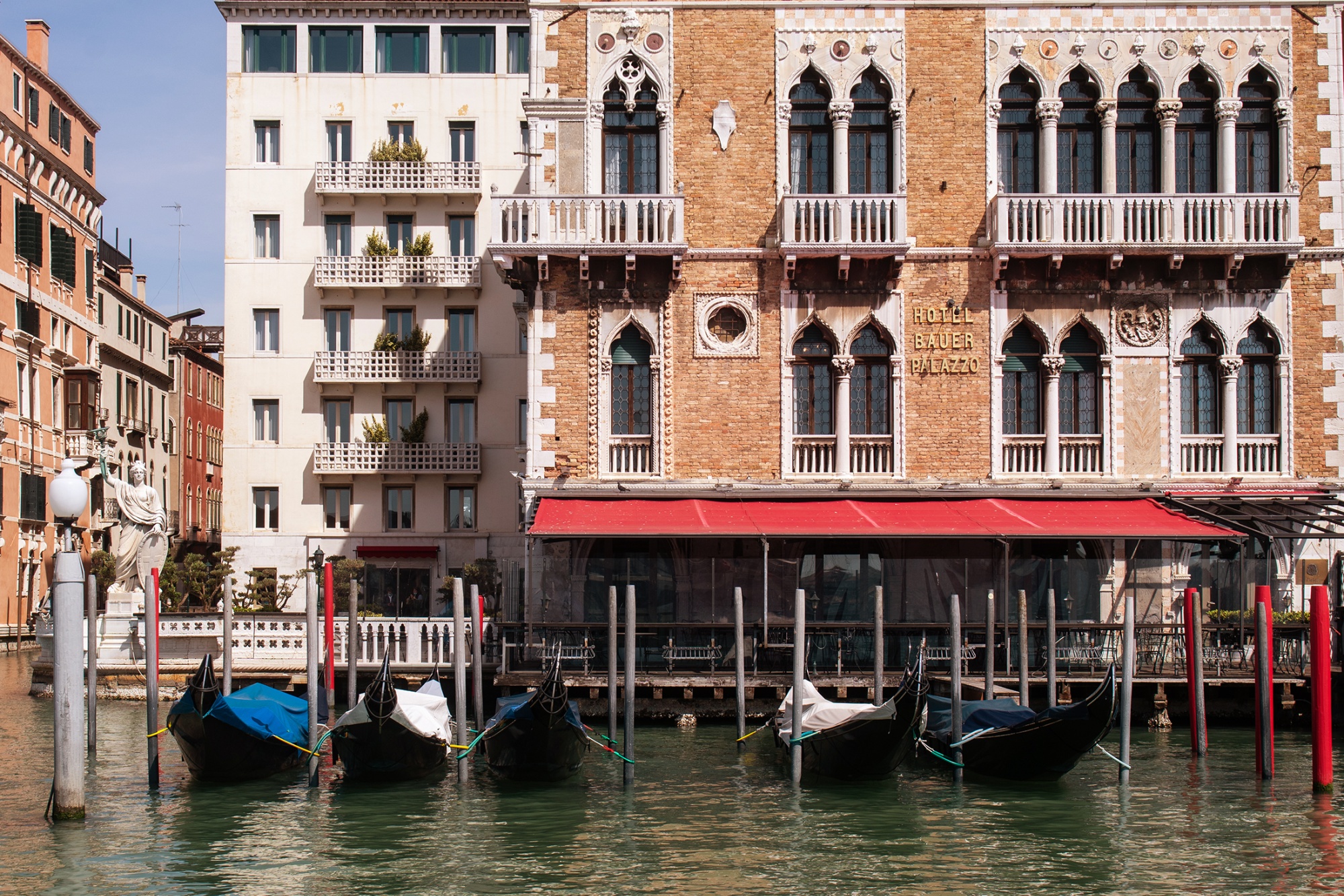
real estate business, which collapsed later that year. The money was intended to finance projects at Venice’s historic five-star Bauer Hotel, a Hamburg shopping center and a 1930s Berlin hotel.
The Bauer Palazzo hotel Photographer: Simone Padovani/Awakening/Getty Images
AC Limited Chief Financial Officer
Greg Fewer
declined to comment when reached by phone, while other senior executives didn’t reply to queries. The UAE Ministry of Foreign Affairs and Dubai Media Office didn’t respond. Other companies mentioned in this article either declined to comment or didn’t respond.

While the amount of money managed by AC Limited’s different units has varied over time, a single investment arm revealed a $1.8 billion US stock portfolio during one recent quarter. It’s been a big beneficiary of the AI boom, with bets on Nvidia and contract chipmaker
Taiwan Semiconductor Manufacturing Co.
ranking among the best performers within its publicly-disclosed holdings over the past year. AC Limited has been a major investor in new stock listings, and backed a number of blank-check mergers during the 2021 boom in special purpose acquisition companies.

The family office has sometimes joined deals that dovetail with the UAE’s broader strategic goals, often alongside the country’s sovereign funds. AC Limited made an early bet on electric car maker
Nio Inc.
ahead of its IPO, and the Chinese brand announced plans for a research base in the UAE following
a later investment
from Abu Dhabi state fund
CYVN
.

Global Wealth Shift
Predicted changes in ultra-high-net worth populations by region

Source: Knight Frank Wealth Report 2026
AC Limited invested in Hollywood super-agent
Ari Emanuel
’s entertainment company
Endeavor Group Holdings Inc.
before its listing. Mubadala was also a backer of Endeavor, which controlled the organizer of Ultimate Fighting Championship. Those links paved the way for local tourism destination Yas Island to host bouts with mixed martial arts champions like Conor McGregor at the height of the Covid pandemic.
The fund remains a popular pit stop for high-profile visitors. Former White House communications director
Anthony Scaramucci
, who organizes a popular hedge fund conference, is among those who’ve been hosted by the fund’s top brass in recent years, according to a person with knowledge of the matter. Visitors are usually taken to nearby haunts like Clap, a trendy Japanese restaurant featuring a live DJ and $300 omakase menu.
AC Limited’s dealmaking offers a window into how fortunes are managed at one of the world’s richest families. Like other prominent members of Middle Eastern ruling clans, Sheikh Mohamed has plowed some of his riches into real estate, including a sprawling mansion sandwiched between London’s Chelsea and South Kensington districts that
he purchased
for £65 million ($87 million) in 2023. One of his investment vehicles owns a luxury house in the British capital’s leafy Holland Park neighborhood, property records show.
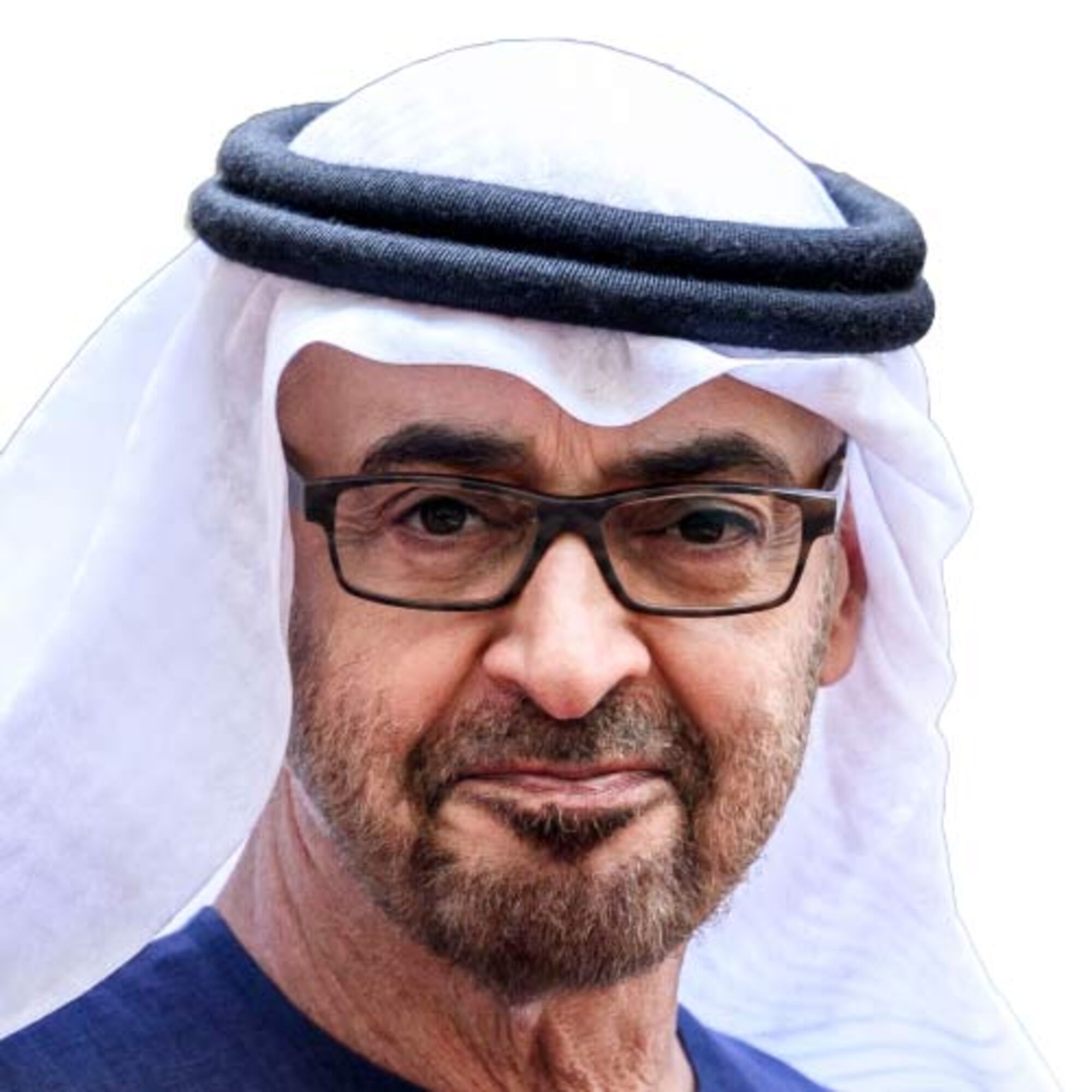
Sheikh Mohamed bin Zayed Al Nahyan
UAE President, Abu Dhabi Ruler

Personal wealth managed by AC Limited


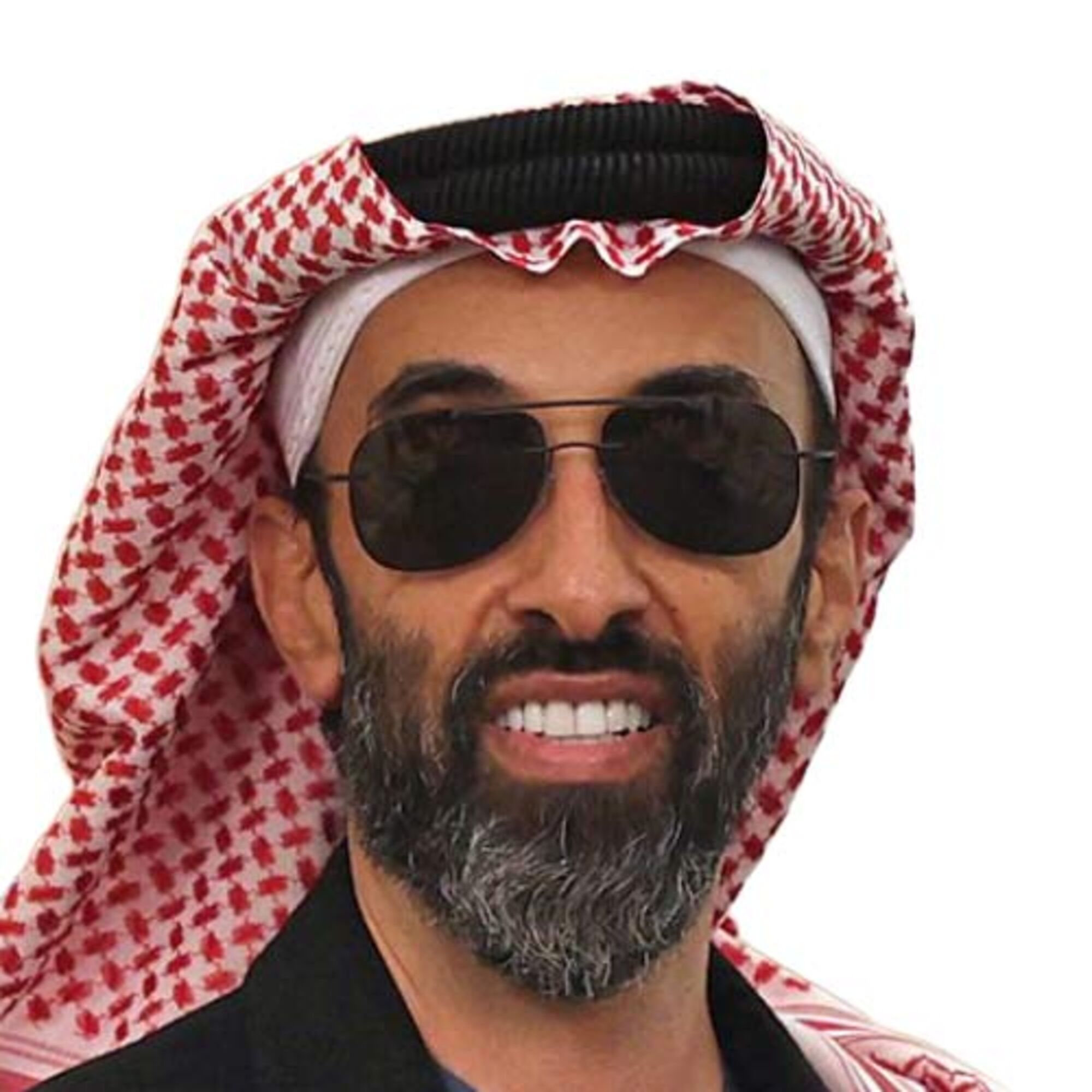
Sheikh Tahnoon bin Zayed Al Nahyan
UAE National Security Adviser, Abu Dhabi Deputy Ruler

Chairman of ADIA$1.19T
Chairman of MGX, targeting$100B
Chairman of IHC, market cap$229B
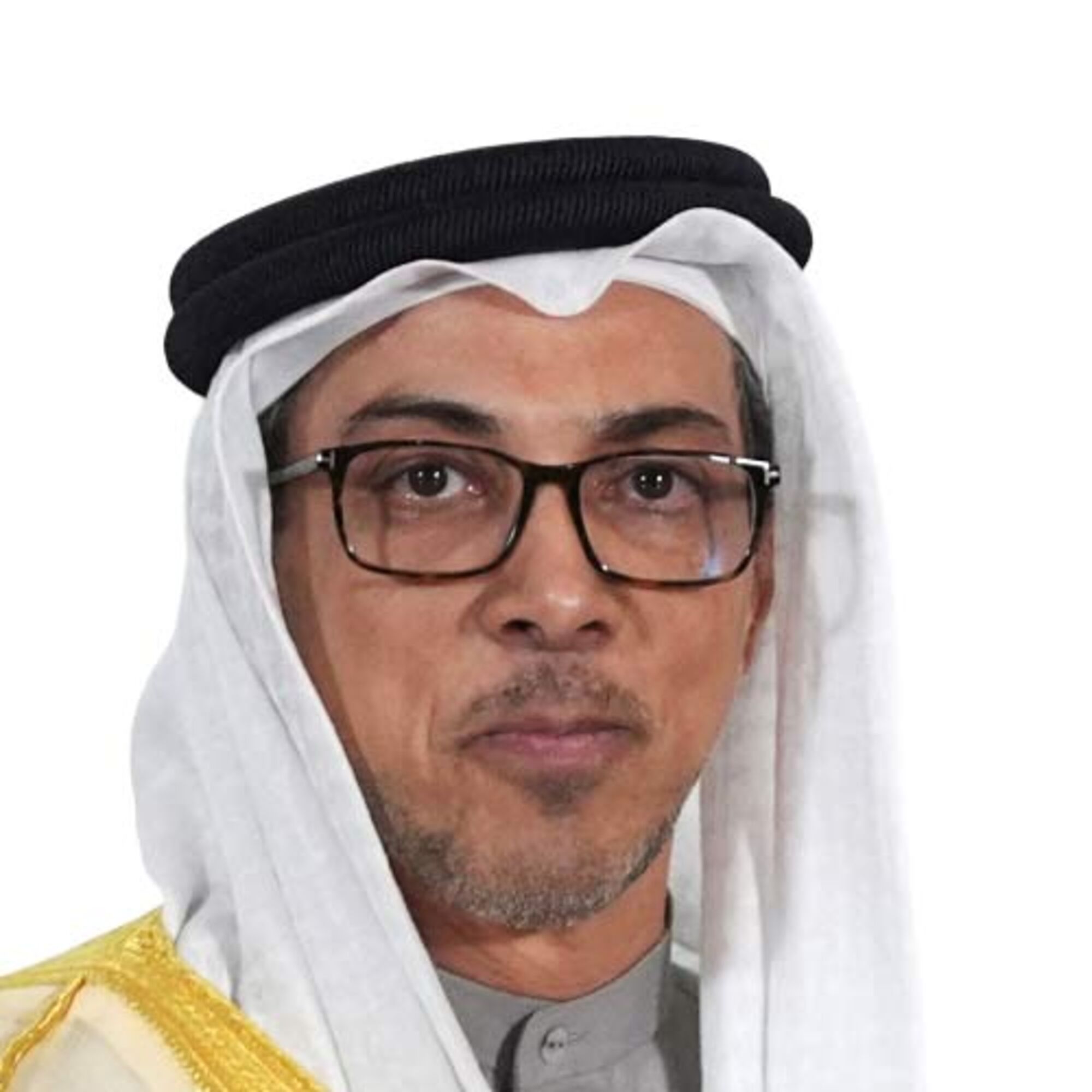
Sheikh Mansour bin Zayed Al Nahyan
UAE Vice President, Deputy Prime Minister

Chairman of Mubadala$385B


Sheikh Khaled bin Mohamed Al Nahyan
Abu Dhabi Crown Prince

Chairman of L’Imad$300B
Personal wealth managed by Sanad Abu Dhabi

Figures refer to assets under management, except where otherwise noted.
Source: Global SWF estimates, company announcements, Bloomberg reporting

But while the royal family’s luxury real estate holdings grab the headlines, vehicles like AC Limited are the force behind some of their more consequential dealmaking.

The UAE is home to Royal Group, a conglomerate controlled by
Sheikh Tahnoon bin Zayed Al Nahyan
, who is Sheikh Mohamed’s brother and the country’s national security adviser. Sanad Abu Dhabi is an investment firm linked to Sheikh Khaled.
Abu Dhabi Capital Group
, which also manages money for members of the emirate’s ruling family, and Shamal Holding, which invests on behalf of Dubai Crown Prince
Sheikh Hamdan bin Mohammed Al Maktoum
, are other prominent names.

These types of family offices are among the most sought-after partners in the market, as a single relationship can anchor a large deal, according to Roll. They bring scale, patient capital, a discreet reputation and the ability to commit quickly across cycles, he said.

“What we are watching is a quiet institutionalization of dynastic wealth,” Roll said. “The leading royal family offices are no longer custodians of capital. They are active shapers of global markets, and their influence is only growing.”

FT : Son remakes SoftBank in his own image The veteran investor has put himself

Son remakes SoftBank in his own image
The veteran investor has put himself at the centre of the global AI boom. Some think he now has too much control

Last month in central Tokyo, Masayoshi Son stood on stage in front of a screen showing a goose producing a series of golden eggs from a Fritz Lang-inspired factory in its stomach. 

One slide read: “Eggs do not lay eggs”. Another: “What matters is not the eggs. It is the Goose itself”.

To dispel any ambiguity, the SoftBank founder and Japan’s richest man suggested he should be called not “Chairman Son” but “Goose Son”. “Which would you prefer? Cash just in front of you or future golden eggs?” he said, before railing against holdout investors for doubting his vision.

The audience, largely SoftBank shareholders, erupted into applause. They have reasons to be cheerful. On June 1, SoftBank, the sprawling tech investment vehicle Son founded 45 years ago, overtook Toyota to become Japan’s most valuable company for the first time since the dotcom bubble.

It marked another remarkable comeback for Son, whose career has been defined by dramatic swings in fortune and who is derided by critics as a gambler who relies on luck over skill. Some of his wagers, such as on Alibaba and UK chip designer Arm, have paid off spectacularly. Others, like the billions lost on WeWork, have not.

Now Son has bet the house on AI, pouring billions of dollars into what he calls “the four corners of the ASI [artificial superintelligence] board”: data centres, AI models, chips and robots.

“This is really the period that we have to show what SoftBank is,” Son tells the FT.

Through Arm, massive funding of OpenAI and a plethora of other tech companies, Son has put himself at the centre of the AI boom, leaving an increasingly systemically important SoftBank once again heavily reliant on its founder.

Over the past decade, Son, who owns a third of SoftBank, has reshaped the company into what he wants it to be. He has doubled the personnel in his office to close to 60, representing more than a fifth of the company’s staff. Prominent lieutenants, presumptive heirs and high-profile independent board members have all departed.


For Son’s allies, who view him as one of the greatest investors of his generation, such moves are welcomed. Many buy SoftBank shares because of Son’s ability to take long-range bets. “Complaining about a lack of a brake on Masa is missing the point,” says a SoftBank insider.

But as a series of high-stakes market listings approaches, as well as complicated operational manoeuvres, some investors question whether SoftBank is too firmly in the grip of a singular CEO who has often had a partiality for charismatic corporate leaders.

In the past this predilection has worked in SoftBank’s favour, as with Son’s early backing of Jerry Yang at Yahoo and Jack Ma at Alibaba. But his wholehearted belief in Adam Neumann’s WeWork tarnished his reputation.

With some $64.6bn committed by SoftBank, for an eventual stake of roughly 13 per cent, Son’s largest bet of all could now be on Sam Altman’s OpenAI. A central reason for SoftBank’s share price surge is investors trying to get exposure to what is expected to be a blockbuster initial public offering. Listings by other SoftBank-backed companies, including robotics company Roze and energy and data centre developer and operator SB Energy, are also planned in the near future, all in service of what Son suggests is a cohesive strategy.

But he does not want to give his master plan away. “It’s like going to a boxing match, and you tell the audience what is your strategy. What is the punch that you are preparing to hit,” he says. “That means your opponent will also prepare how to protect. So I don’t want to explain too much.” He adds that he held back for years from explaining why he bought Arm.

Son’s secrecy unnerves some investors, as does the scale of SoftBank’s exposure to the AI industry, which on some measures resembles earlier tech-driven market bubbles. Since early June the company’s share price has fallen again by close to 25 per cent, in part due to suggestions that OpenAI’s IPO might be delayed. OpenAI not only has to time the market with its share issue but deal with huge competition in the form of SpaceX, which has already gone public, and Anthropic, a key rival that is preparing to.

Some analysts, such as Atul Goyal at brokerage Jefferies, believe that OpenAI is overly dependent on SoftBank’s own funding, with the Japanese group benefiting in turn from the rising valuation of the ChatGPT developer. Saying there are “parallels to WeWork”, Goyal warned clients this year that “risks for . . . investors are rising”.

If the IPO goes right, then it could help reset Son’s reputation. If it goes wrong, then it will compound fears that his strategy is misguided and that he is often late to the party, investing after valuations have hit critical levels. 

“The fear is that Masa has learnt from his mistakes on the assets side but not about his investing style or how he bets on people,” says one Asia-based investor.

AI way or the highway
Shaping every decision Son makes is his unwavering belief in AI. Any suggestion of a bubble is “an insult”, he says, since the revolution is just beginning. 

Markets will fall, wars will break out and crises are inevitable, he says. But downturns remain opportunities to buy, not excuses to retreat. His regret during the dotcom crash was not having the capital to keep buying. “At the moment of crash, I was saying internally, ‘This is the best moment that we should really invest,’” he says.

Son gives short shrift to fears of a dystopian AI future. He believes that models will become more “moral” as they grow more sophisticated and that the market is capable of a form of self-regulation. “These hyperscalers who have more power, they try to behave with the morals that they are supposed to . . . Otherwise, they get punished by regulators or by the citizens,” he says, adding that he believed there was more risk in open-source models.


The market is sceptical of Son’s strategy. SoftBank trades at a roughly 50 per cent discount to its net asset value, far from the premium enjoyed by Berkshire Hathaway, another holding company built around a totemic investor, but one that eschewed the use of debt finance and earned the markets’ trust.

The clearest example of the discount is Arm, of which SoftBank owns roughly 90 per cent. The share price of the UK company, bought in 2016 and relisted in 2023, has climbed by about 175 per cent this year. SoftBank’s stake is now worth more than the Japanese group’s own market capitalisation.

SoftBank’s price-to-organic-growth ratio — a measure which takes into account expected growth rates — based only on Arm and listed telecoms subsidiary SoftBank Corp, is an impressive 1.5 times, according to Richard Kaye, an investor at Comgest. 

In effect, says Kaye, investors are getting the rest of the portfolio cheaply.

But there are further considerations.

Some are wary of the group’s complex financing, involving the rapid leveraging of assets and margin loans against its stakes in companies, including Arm. The group’s current leverage — as seen through its own stated 17 per cent loan-to-value ratio at the end of March — has been helped by rising asset prices but that could quickly change if markets fall. Having put in place $40bn in bridge loans for its latest investment in OpenAI, SoftBank is pushing up against borrowing limits. More listed equity to borrow against would be one way to allow Son to access cheaper financing.

Others worry about SoftBank’s status as both investor and customer of Arm and OpenAI. SoftBank paid Arm roughly $704mn in the fiscal year to March, according to filings, and agreed a $3bn a year contract with OpenAI in 2025 to develop a joint enterprise product called Cristal Intelligence.

Shareholders also grumble about governance and Son’s personal co-investment arrangements — around SB Northstar, an internal asset management arm, and Vision Fund 2, which holds the OpenAI investment — which they say could create conflicts of interest. The company notes that board members have defended the concept.

The lack of people inside SoftBank capable of restraining Son only exacerbates fears. The group’s influential chief financial officer, Yoshimitsu Goto, who presents quarterly earnings, has limited capacity to rein him in, say people familiar with company operations, despite internal concerns about the scale of investment in OpenAI and the faith placed in Altman.

But it is the traits SoftBank presents as virtues that cause investors most pause — its long-term asymmetrical bets and willingness to move before the market understands the plan. “IPO is not the goal, IPO is just the beginning,” Son says.

He sees a future of power plants feeding his data centres, built by his robots and using Arm-produced chips, that will provide computational power to LLM companies such as OpenAI. It represents a shift from a more scattergun investment approach and a return by Son to something closer to the telecoms-led operating model he put together close to 20 years ago.

“SoftBank is becoming more and more integrated compared to the past decade, where it invested in various companies,” says David Dai at brokerage Bernstein Research. “It has never been as synergetic as it is today.”

“At times, investing in SoftBank has been close to making a leap of faith,” says Kaye at Comgest, who had been forced to defend the logic of his investment since first buying into the group in the mid-2000s. Now, he says, that decision “is based on increasingly large amounts of evidence”.

Secrecy still surrounds Son’s plans and the companies he is trying to bring to market. Roze, SoftBank’s robotics bet, is targeting a valuation as high as $100bn, but Son says he does not want to go into detail about what the company is preparing. 

When the robots are introduced, he says, “people will say: wow, that’s what you wanted to create.” He says he will be ready to explain more “step by step” and “sometime next year”, giving the impression that IPO plans might be pushed back.

To persuade investors to put more value on SoftBank’s strategy, Son might have to slow down and more clearly explain it, say analysts and investors. That would require him to overturn decades of fast-paced risk-taking based on his own long-term visions.

“Masa has been ‘Masa’ since at least the mid-90s,” says Alex Clavel, CEO of the Vision Funds.

Son on the global stage
The child of ethnically Korean parents, Son left home as a teenager to study in the US. He returned to Japan in the 1980s convinced that software would define the future.

He built SoftBank as a software distributor, rode the dotcom boom through early bets on Yahoo and Alibaba, and then lost almost everything on paper when the bubble burst. 

He recovered by investing in Japanese telecoms, acquiring Vodafone Japan, breaking NTT’s grip and securing the country’s first iPhone deal from Steve Jobs — the sort of operational manoeuvring that gives allies hope he can pull off his current plans.

Alibaba’s listing restored his fortune and paved the way for the Vision Funds, tech investment vehicles that changed the nature of venture capital, before AI became his next all-in wager.

“He is one of the only people who has been around for internet one, internet two and now three, with AI,” says one long-serving SoftBank insider.

His dominance of SoftBank began to dilute in the years leading up to the creation of the first Vision Fund in 2017, when Son surrounded himself with lieutenants — including presumptive heir Nikesh Arora from Google and former Deutsche Bank hires Rajeev Misra and Akshay Naheta — to raise capital, strike deals and professionalise SoftBank’s investment machine. 

That era produced some of SoftBank’s most aggressive moves and damaging internal fights. It was punctuated by controversy, including large bets on Greensill and Wirecard, two companies engulfed in scandal, and huge tech options trades that distorted the market through SB Northstar, which earned the group the nickname the “Nasdaq Whale”.

After taking on huge losses coming out of Covid, Son went on the defensive in 2022 and “lost interest in the Vision Fund”, say people close to him, folding much of its functions back into the group as he reverted to type.

“There used to be other voices inside SoftBank and with investors,” says Goyal of Jefferies. “That is no longer the case.”

SoftBank, however, says that healthy debates still define which investments are made.

The board, regularly criticised as weak by investors, does push back, including this year when it questioned when funds promised by Japan for a $33bn gas-fired power plant in Ohio would be delivered. The plant, agreed under a $550bn trade deal between Japan and the US, is being developed by SoftBank and will eventually power its mammoth data centre nearby.

“This is not Masa proclaiming down from his mountaintop. Yes, Masa is the boss and always the final decision maker, but he makes his decisions based on analysis and following debate,” says Clavel, Vision Funds’ CEO.

More so than ever, Son’s role as one of Japan’s wealthiest people gives him outsized political clout despite many treating him as a perennial outsider. Already a key player in Japan’s AI strategy, Son is growing in influence on the global stage.

After an intimate dinner with French President Emmanuel Macron in Tokyo in April, Son pledged an up to €75bn data centre rollout in France. He is key to Japan’s trade agreement with the US and is in regular contact with President Donald Trump, in meetings and on golf courses. He also has a large exposure to China through investments such as ByteDance.

The deeper SoftBank pushes into critical infrastructure, the more uncomfortable questions it raises for lenders, regulators and politicians. 

Multiple bankers and government officials describe the company as approaching “too big to fail” status. Japanese megabanks are searching for ways to spread the risk they have taken on.

Some inside SoftBank believe that if Son ever does retire, the group as it currently exists will be finished.

It could be broken up, with SoftBank Corp, which was listed in 2018, a template for survival. Others believe rising star Rene Haas, Arm CEO and the newly promoted executive driving SoftBank’s AI chip strategy, is waiting in the wings. 

There is also a chance, say people familiar with SoftBank’s strategy, that the group might have to make more big operational hires once again to help manage its growing businesses, raising the question of whether Son could tolerate a new generation of powerful lieutenants.

Last year he said he had a handful of successors in mind and would hand over the reins in a decade. Now he says he has a constellation of subsidiary and portfolio company bosses to choose from and has stretched his retirement timeline out again, a move surprising to some of his closest advisers. 

On stage in Tokyo with his golden goose, a metaphor he has conjured in the past, Son promised to lift SoftBank’s net asset value, his preferred measure of the group’s worth, from ¥74tn to ¥1 quadrillion ($6.189tn), powered by artificial superintelligence.

He appeared determined to stick around. “I’d planned to hand over in my sixties. But now I’m 68, I’ve become greedy . . . I’m revising that plan,” he told the audience. “I’m going to keep going for another 10 to 15 years.”

FT : Google and XTX Markets back German fusion start-up as nuclear bets prolifer

Google and XTX Markets back German fusion start-up as nuclear bets proliferate
Proxima Fusion valued at €2.4bn in €400mn funding round as AI boom spurs the race for energy’s holy grail

Google and British billionaire Alex Gerko’s XTX Markets have backed German start-up Proxima Fusion, broadening their bets on nuclear fusion as companies race to secure future solutions on carbon-free electricity for powering artificial intelligence computing.

Trading firm XTX Markets led the €400mn funding round, putting in a quarter of the total, according to people familiar with the matter, alongside UK-based East X Ventures, valuing Proxima at €2.4bn.

Google joined the funding round as a “strategic investor”, Proxima said, marking the tech giant’s first investment in a European fusion company, as tech groups spread their bets on the future nuclear technology.

Fusion aims to recreate the reaction that powers the sun by fusing atomic nuclei in a superheated plasma, unlike nuclear fission, which generates energy by splitting atoms. No private company has yet demonstrated that fusion can generate more energy than it consumes to heat the fuel.

Spun out from the non-profit Max Planck Institute for Plasma Physics in 2023, Proxima is pitching to build a €2bn demonstration facility in Germany by 2031 to prove its technology can generate commercial power.

The company is seeking €1.2bn in federal funding from the German government, on top of €400mn promised by the Bavarian state. The commercial plant will follow soon after, aiming to connect to the grid by the late 2030s.

Francesco Sciortino, chief executive of Proxima, told the FT that Google is “looking for everything under the sun” to secure “as much energy as it can” to power its data centres.

Google has already backed Commonwealth Fusion Systems (CFS), one of the sector’s best-funded fusion companies, signing a long-term contract to buy power in the early 2030s.

Sciortino said Google was also interested in getting power from Proxima’s future commercial plant, and that the German company was talking to multiple potential customers but he declined to provide further details.

Gerko’s trading firm is also a prolific venture capitalist and has invested in nuclear companies including X-Energy and Standard Nuclear.

XTX is spending more than €1bn on building its own data centre in Finland, as it seeks to harness vast computing power to handle the information for the $250bn worth of trades that it makes every day across global markets.

So-called hyperscalers like Google are spreading their bets on the advanced nuclear technology. Besides CFS, Google has backed TAE Technologies, which last year announced plans to go public through a $6bn all-stock merger with Trump Media & Technology Group.

Google has already agreed to buy 500MW of electricity from small modular nuclear-fission reactors built and operated by Kairos Power, by 2035.

Microsoft and OpenAI CEO Sam Altman have backed Helion Energy, another well-funded US company with ambitious commercial targets. 

Tech groups are racing to secure their own source of clean electricity to power energy-hungry data centres, as grid connection delays around the world stretch to years under mounting pressure on electricity infrastructure.

One investor said backing from tech giants was “positive but not indicative” of fusion’s eventual success.

“Nobody knows which fusion concepts will work, or how economical they will be,” the investor said, adding that for cash-rich technology groups, the investments represented only a small financial risk.

German energy company RWE also participated in Proxima’s funding round as a strategic investor, having previously agreed to provide the site of a former nuclear power plant for Proxima’s commercial facility.

However, Sciortino added that RWE is not looking to secure fusion energy with the “same aggressiveness” as Google.

>>> Europe : Brokers Upgrades & Downgrades - 7th of July 2026

>>> Up
* Bloom Energy PT Raised to $246 from $207 at Jefferies
* First Solar Raised to Buy at Deutsche Bank
* Investec Raised to Outperform at Avior Capital Markets
* Julius Baer Price Target Raised to CHF 82 from CHF 70 by Bank of America
* Kion Raised to Overweight at Morgan Stanley; PT 62 euros
* Legrand Raised to Overweight at Barclays; PT 185 euros
* Medartis Raised to Buy at UBS; PT 97 Swiss francs
* Metso PT raised from 18.6 to 18.80 at Goldman Sachs
* MGM Resorts PT Raised to $52 from $46 at Macquarie
* Rentokil Raised to Buy at Goldman; PT 590 pence
* Saab Raised to Overweight at Morgan Stanley; PT 700 kronor
* Sandvik Price Target Raised to SEK 420 from SEK 400 by Bank of America
* Visa PT Raised to $412 from $370 at Baird

>>> Down
* ABB Cut to Hold at Pareto Securities; PT 91.95 Swiss francs
* Barry Calbaut PT cut from 1740 to 1520 at Research Pärtners
* Continental Cut to Hold at Kepler Cheuvreux; PT 80 euros
* Dormakab PT cut from 69 to 61 CHT at UBS
* Hawaiian Electric PT Cut to $11.75 from $13.75 at Jefferies
* ITV Cut to Neutral at JPMorgan; PT 85 pence
* PolyPeptide Group Cut to Sector Perform at RBC
* Siemens Energy Cut to Underweight at Barclays; PT 130 euros
* TGS Cut to Sell at SB1 Markets; PT 100 kroner

>>> Initiation
* Ahold Delhaize Rated New Sector Perform at RBC; PT 38 euros
* Carrefour Rated New Outperform at RBC; PT 22 euros
* Colruyt Rated New Sector Perform at RBC; PT 37 euros
* Cranswick Reinstated Overweight at Barclays; PT 6,380 pence
* DiaSorin Cut to Underperform at BNP Paribas; PT 60 euros
* J. Martins Rated New Outperform at RBC; PT 22 euros
* Kongsberg Cut to Underweight at Morgan Stanley; PT 330 kroner
* Lululemon Cut to Underweight at Morgan Stanley; PT $93
* Nordnet Cut to Hold at ABG; PT 390 kronor
* SpaceX Rated New Buy at Stifel; PT $190
* SpaceX Rated New Buy at Goldman; PT $205
* SpaceX Rated New Buy at UBS; PT $210
* SpaceX Rated New Buy at Banco BTG Pactual; PT $225
* SpaceX Rated New Outperform at RBC; PT $225
* SpaceX Rated New Overweight at Morgan Stanley; PT $300
* Traton Rated New Buy at SB1 Markets; PT 46.29 euros

>>> Call
* Carrefour Rated a Top Pick at RBC on Potential for Improvement
* Dunelm Rated New Neutral at BNP Paribas; PT 860 pence
* Ned Davis Research Turns Overweight on European Equities
* Siemens Energy Cut at Barclays on Limited Upside to Consensus
* Morgan Stanley Starts SpaceX at Overweight on AI Credentials