WAsh. Post : Can Dr. Birx and Dr. Fauci serve President Trump in good conscience

Can Dr. Birx and Dr. Fauci serve President Trump in good conscience?
With lives at stake, public health professionals must stay as long as they can.

How should a decorated public health professional serving in the White House react when the president of the United States stands next to her and openly muses about the medical potential of injecting disinfectant? This is the moral dilemma facing Deborah Birx, Anthony Fauci, Robert Redfield and other physicians and scientists coordinating the government’s pandemic response. When President Trump offers sorcery over evidence-based medicine — as when he said, in February, that warm weather would make the coronavirus go away, or when he touted the anti-malaria drug hydroxychloroquine as a “game changer” before it was adequately studied — an expert can’t ethically stand by, tight-lipped, saying nothing. She has two choices: She can either quit or object.

Except the public health experts working for Trump don’t truly have either of those options. If they complain, publicly or even privately, there is ample reason to believe that Trump will shut them out, feel provoked and turn away from their sound, lifesaving counsel. (That’s how he treated Jeff Sessions and Marie Yovanovitch when they tried to take the high road.) And if they quit, there is ample reason to believe that the president will replace them with someone worse: a crony who lacks their expertise or capability. (The current defense secretary, attorney general and acting director of national intelligence were all brought in to replace agitators and proffer the advice Trump wants to hear. Rick Bright, removed last month as director of a government vaccine-development unit, had reportedly voiced doubts about an unproven therapy Trump praised.)

It is, truly, an impossible position, so don’t begrudge their work. Given the stakes, they have to stay.

The overriding reason for career public servants like Birx and Fauci to remain on the job is to influence the work from the inside. Staying on the coronavirus task force allows them to hang onto some measure of authority over how the crisis is managed behind closed doors. By at least one account, Fauci played a key role in persuading Trump to abandon his push to reopen the country by Easter.

The president’s bombastic daily press “briefings” captivate cable news but appear largely divorced from the daily work of fighting the pandemic. Trump is famously removed from the quotidian details of governing, and this crisis is no different: He reportedly doesn’t even attend most meetings of the task force, which directs agencies across the federal bureaucracy. If these internal deliberations give experts the chance to effectively advocate for, and help implement, even marginally better policies, that justifies remaining aboard.

Continuing to serve also enables experts to communicate accurate information directly to the public. Fauci has harnessed his official position to speak to Americans across a wide range of media, debunking myths and inaccuracies that spout from the same White House briefings he attends. On CNN, for instance, Fauci went out on a limb by acknowledging that more lives could have been saved if the administration had acted sooner. Even in the briefing room, his occasional facepalm speaks volumes. Perhaps that’s why 78 percent of voters approved of Fauci’s response to the crisis, compared with 46 percent for Trump, in an early April Quinnipiac poll. Only 23 percent of Americans have high levels of trust in what Trump is telling the public about the crisis, while 60 percent say he’s not listening to health experts enough, according to a late April Associated Press-NORC Center for Public Affairs Research survey. Politico reports that new White House press secretary Kayleigh McEnany and new communications director Alyssa Farah will control media appearances for experts like Fauci and Birx going forward. But presumably, for now, at least they’ll be allowed to make appearances. For many Americans, it’s comforting simply to observe that there are some serious professionals who help set policy.

And who would replace those experts if they quit? This administration’s talent pool was memorably described by the conservative scholar Eliot Cohen as comprising “invertebrates and opportunists, schemers and careerists.” When I served as a “holdover” from the Obama National Security Council to the Trump staff, I used to half-joke that, given the new president’s attacks on the press and political opponents, my “director for democracy” job would eventually be taken by someone interested in being “director for authoritarianism.” In the case of the coronavirus task force, the wrong person could materially jeopardize the lives of Americans by acquiescing to the president’s whims and fiats.

A dramatic take-this-job-and-shove-it exit might feel good, momentarily. But for public servants who care about seeing the country through this crisis, it would yield little benefit beyond that. If one of them resigned or was fired for contradicting the president, their next step could be a media tour evangelizing about the flaws of the Trump administration. But many Americans already know about these and need no further convincing. The rest will probably never be persuaded. Further, the president himself would be unmoved: The history of his administration has featured a near-constant parade of dramatic exits — from Defense Secretary Jim Mattis to White House chief of staff John Kelly to national security adviser H.R. McMaster to communications director Anthony Scaramucci — and it’s doubtful whether any prompted the president to reconsider a single policy stance.

An expert who resigns to express dissent on a specific policy matter can at least call public attention to that policy, as with Mattis’s resignation over a Syria withdrawal decision. But the president’s mishandling of the coronavirus has been not one discrete choice but a rolling, catastrophic muck-up. People keep dying while the president keeps spouting drivel, so stemming that misinformation is arguably the most urgent priority. We got a taste of this Tuesday, when the president claimed that “our experts believe the worst days of the pandemic are behind us” and said that he was looking forward to the “safe and rapid reopening” of the country. Fauci immediately stepped up to clarify that “if we are unsuccessful, or prematurely try to open up . . . it could be a rebound to get us right back in the same boat.” Resigning over a difference like this, in this context, is counterproductive: Would Americans suffer less after a principled resignation, or with ongoing engagement to try to stave off the worst outcomes?

There are, admittedly, some situations where leaving is the best course. Each public servant pledges an oath to defend the Constitution, and if staying on the job seems to demand abandoning that oath, resignation is the only option. Timothy Snyder’s “On Tyranny: Twenty Lessons From the Twentieth Century” (a book I consulted more than once during my Trump NSC stint) shows just how cataclysmic the consequences can be if civil servants let professional ethics slide in times when political leaders set a troubling tone. Moreover, the distinction between effectively shaping the system from the inside and being corrupted by it can become invisible. It was in the Vietnam era that analysts first identified the “effectiveness trap” — many officials’ impulse to stay silent about bad policies so they could “live to fight another day, to give on this issue so that you can be ‘effective’ on later issues,” as James Thomson wrote in the Atlantic. Being in the room where it happens is seductive.

Trump and the GOP have a plan for governing during a pandemic: Just don’t

These hazards are even more perilous when a respected expert is called upon to publicly vouch for a policy approach, often because she is a respected expert. Birx has at times sidestepped or excused the president’s dangerous falsehoods — including last weekend, when she suggested that the news cycle should move on from questioning his remarks about ingesting bleach — raising concerns about whether she is using her solid reputation to enable irresponsible leadership. Fauci has instead often contradicted the president’s egregious falsehoods, earning him constant rumors of a potential firing but modeling how civil servants can do their jobs without conforming to Trump’s funhouse-mirror version of reality.

For me, imagining these dilemmas is easy. In early 2016, I joined President Barack Obama’s National Security Council staff. My role was to help coordinate other parts of the government in supporting democratic governance around the world, in line with the president’s priorities: encouraging fair elections, freedom of the press and accountable institutions. But one year later, as one of a rapidly shrinking number of civil servant “holdovers” in the new administration, I found myself in a White House whose chief executive regularly attacked the independent media, flattered dictators, targeted political opponents and assailed the very institutions he now led. My job title, “director for democracy,” now prompted dizzying cognitive dissonance. At the same time, I still cared deeply about the work and still collaborated with colleagues across government toiling diligently to advance it, away from the spotlight of the Oval Office. If I left, who would monitor elections in key countries or help coordinate the stabilization of war-torn states? And so, for months, I grappled with the question: How long should I stay? In the end, I chose to keep doing my job the way I felt it should be done, until my bureaucratic rotation came to an end, and a capable successor was in place.

My dilemma was comparatively simple: I was lower-profile and less senior than Fauci and Birx. Ultimately, my hope for these experts serving Trump in the era of the coronavirus is that they can take a similar approach.

NYT : Balmy Weekend Presents a Challenge: New Yorkers Rushing to Parks

Balmy Weekend Presents a Challenge: New Yorkers Rushing to Parks
After weeks spent indoors, people ventured outside in droves. But worried officials warned them to wear masks and keep social distance.

On the second day of May, New Yorkers were greeted with sunny skies and the warmest weekend so far this spring. People got up off their couch, put on their shoes, donned their face coverings, and left their cramped houses and apartments for the nearest park — desperate for fresh air and a little exercise.

After weeks spent almost entirely indoors to avoid the coronavirus, they seemed to be drawn outside as much by the balmy weather as by their hopes that New York City was slowly, cautiously, starting to emerge from the crisis that has kept it locked down since mid-March.

But in parks across the city, the police and other law enforcement officers were on hand, handing out masks, breaking up soccer games and reminding people to spread out.

At times, the rules were difficult to pin down. Picnickers were let alone in some parks, but told to move along in others.

Across the Hudson River, New Jersey residents began returning to the state and county parks that reopened Saturday after having been closed for nearly a month.

But the announcement from Gov. Philip D. Murphy of New Jersey on Friday that parks and golf courses would reopen came with a warning: Restrictions could be reimposed if people did not practice social distancing or wear face coverings.

In New York City, the epicenter of the crisis, parks have remained open, with the exception of playgrounds. Still, some officials this week had feared that the sunny weekend — temperatures in the 70s arrived after a cooler, rainy week — would lead to crowds in parks, risking a reversal of the hard-fought efforts to quell the outbreak.

“The nice weather is very much a threat to us,” Mayor Bill de Blasio said during a radio interview on Friday.

With the number of new coronavirus cases in New York State continuing to decline from its peak in early April, talk has slowly turned to ways of easing the lockdown. Still, city health officials are continuing to urge New Yorkers to keep their outings to a minimum.

The mayor, who on Friday had warned against sports and other group activities over the weekend, said on a Saturday afternoon CNN appearance that most New Yorkers had been abiding by the guidelines.

“People have heard that we need them to stay home, overwhelmingly they have,” Mr. de Blasio said. “Even with good weather, they’ve gone out for a while and they came back home.”

New York State is still under an executive order from Gov. Andrew M. Cuomo restricting any “nonessential gatherings of individuals of any size for any reason” until at least May 15.

At Flushing Meadows-Corona Park in Queens, Cristian Guzman, 23, and his friends were about to start playing soccer when two deputies with the New York City Sheriff’s Office pulled up.

The deputies explained they were gathered too closely. Mr. Guzman and his teammates gave up on the idea of playing. In Spanish, he said it made him sad. It would have been his first game in six weeks, he said, but he had to respect the rules.

Mr. Guzman worked at a restaurant that has closed. Around him in the park, other people sunbathed, walked dogs, flew kites, rode bikes and skateboards, and played table tennis and roller hockey.

The deputies returned to their squad car and drove on, stopping mainly to hand out masks to park-goers.

In some places, the authorities seemed most concerned with whether people were wearing face coverings. At Domino Park in Williamsburg, a masked park employee walked amid sunbathers and picnickers, pointing to his face and telling people to put their masks on.

Eric Freeman, 27, a mixed martial arts fighter who lives in Greenpoint, Brooklyn, pulled the mask around his chin up over his mouth when he was confronted, only to pull it back down when the park employee was gone.

“The mask is really annoying,” he said, lifting a paper cup filled with what appeared to be pink lemonade. “How do you drink with a mask on?”

But in Inwood Hill Park in Upper Manhattan, picnickers and families playing in a grassy field around noon were shooed along.

“Basically, the officer told us we couldn’t be stationary and we needed to be moving,” Chris Carfizzi said as he, his wife and their 3-year-old headed toward a paved path. They had been blowing bubbles and playing with a ball.

“We’re lucky we have the scooter,” Mr. Carfizzi said.

Public health experts say parks are generally regarded as a relatively low-risk environment for transmission of a respiratory illness, like the coronavirus.

“There’s no reason a family can’t picnic in the park,” said Jennifer Nuzzo, an associate professor in the Department of Epidemiology at the Johns Hopkins Bloomberg School of Public Health.

But she noted that it was not always possible to determine at a glance whether a group of picnickers were from the same household, or if it represented a social gathering. “It’s hard for the people who enforce this to know whether they’re dealing with a family or not,” she said, explaining why enforcement might default to an all-or-nothing approach.

“It’s easier from their vantage to do a simple ‘don’t’ or ‘do,’” said Professor Nuzzo, who used to work as an epidemiologist for New York City.

To give New Yorkers more outdoor spaces, the city on Saturday closed off seven miles of streets inside and near city parks to vehicle traffic — the first installment of a planned 40 miles of closings.

The street closures were originally scheduled for Monday, but Mr. de Blasio said on Twitter late Friday that city agencies and the Police Department would start the program early.

Most of the city’s storefronts remain shuttered, with nonessential businesses required to stay closed in New York, and public transit has become something to avoid if possible.

But in some ways, Saturday served up a preview of what the city can expect as New Yorkers eye a return to public spaces, even as precautions remain in place to further slow the spread of the virus.

“I believe with the warm weather people will come outside, and that’s great,” Mr. Cuomo said at a news briefing on Saturday in Queens. “Go for a walk, but just respect the social distance and wear a mask.”

In Central Park, Joe Corcoran, 35, was out for a run Saturday morning and acknowledged that the park seemed crammed — small clusters of people were spread out in Sheep Meadow’s 15 acres of grass.

“I think people are trying to do their best to stay physically healthy, but also respect people’s boundaries,” said Mr. Corcoran, who lives on the Upper East Side.

In New Jersey, which after New York has the second-highest number of coronavirus cases in the country, people were also eager to get outside. Just before 6 a.m., Ralph Vazquez, 49, arrived at the southern entrance to Liberty State Park in Jersey City. He had his 23½-foot Wellcraft boat in tow, with two friends seated inside the boat.

“I’m going to catch some fish for all the days I wasn’t out here,” Mr. Vasquez said. “I’m going to catch stripers and blues. Whatever hits the pole.”

Minutes later, two park officers removed two lines of orange cones, pushed back a gate and took down an electric sign that flashed “state park closed.”

Mr. Vazquez’s excitement grew as he waited to enter the lot for the boat launch. “Let me pass!” he said. “Come on! I’m ecstatic to be back!”

NYT : The Covid-19 Riddle: Why Does the Virus Wallop Some Places and Spare Other

The Covid-19 Riddle: Why Does the Virus Wallop Some Places and Spare Others?
Experts are trying to figure out why the coronavirus is so capricious. The answers could determine how to best protect ourselves and how long we have to.

The coronavirus has killed so many people in Iran that the country has resorted to mass burials, but in neighboring Iraq, the body count is fewer than 100.

The Dominican Republic has reported nearly 7,600 cases of the virus. Just across the border, Haiti has recorded about 85.

In Indonesia, thousands are believed to have died of the coronavirus. In nearby Malaysia, a strict lockdown has kept fatalities to about 100.

The coronavirus has touched almost every country on earth, but its impact has seemed capricious. Global metropolises like New York, Paris and London have been devastated, while teeming cities like Bangkok, Baghdad, New Delhi and Lagos have, so far, largely been spared.

The question of why the virus has overwhelmed some places and left others relatively untouched is a puzzle that has spawned numerous theories and speculations but no definitive answers. That knowledge could have profound implications for how countries respond to the virus, for determining who is at risk and for knowing when it’s safe to go out again.

There are already hundreds of studies underway around the world looking into how demographics, pre-existing conditions and genetics might affect the wide variation in impact.

Doctors in Saudi Arabia are studying whether genetic differences may help explain varying levels of severity in Covid-19 cases among Saudi Arabs, while scientists in Brazil are looking into the relationship between genetics and Covid-19 complications. Teams in multiple countries are studying if common hypertension medications might worsen the disease’s severity and whether a particular tuberculosis vaccine might do the opposite.

Many developing nations with hot climates and young populations have escaped the worst, suggesting that temperature and demographics could be factors. But countries like Peru, Indonesia and Brazil, tropical countries in the throes of growing epidemics, throw cold water on that idea.

The coronavirus has killed so many people in Iran that the country has resorted to mass burials, but in neighboring Iraq, the body count is fewer than 100.

The Dominican Republic has reported nearly 7,600 cases of the virus. Just across the border, Haiti has recorded about 85.

In Indonesia, thousands are believed to have died of the coronavirus. In nearby Malaysia, a strict lockdown has kept fatalities to about 100.

The coronavirus has touched almost every country on earth, but its impact has seemed capricious. Global metropolises like New York, Paris and London have been devastated, while teeming cities like Bangkok, Baghdad, New Delhi and Lagos have, so far, largely been spared.

The question of why the virus has overwhelmed some places and left others relatively untouched is a puzzle that has spawned numerous theories and speculations but no definitive answers. That knowledge could have profound implications for how countries respond to the virus, for determining who is at risk and for knowing when it’s safe to go out again.

There are already hundreds of studies underway around the world looking into how demographics, pre-existing conditions and genetics might affect the wide variation in impact.

Doctors in Saudi Arabia are studying whether genetic differences may help explain varying levels of severity in Covid-19 cases among Saudi Arabs, while scientists in Brazil are looking into the relationship between genetics and Covid-19 complications. Teams in multiple countries are studying if common hypertension medications might worsen the disease’s severity and whether a particular tuberculosis vaccine might do the opposite.

Many developing nations with hot climates and young populations have escaped the worst, suggesting that temperature and demographics could be factors. But countries like Peru, Indonesia and Brazil, tropical countries in the throes of growing epidemics, throw cold water on that idea.

The Power of Youth
Many countries that have escaped mass epidemics have relatively younger populations.

Young people are more likely to contract mild or asymptomatic cases that are less transmissible to others, said Robert Bollinger, a professor of infectious diseases at the Johns Hopkins School of Medicine. And they are less likely to have certain health problems that can make Covid-19, the disease caused by the coronavirus, particularly deadly, according to the World Health Organization.

Africa — with about 45,000 reported cases, a tiny fraction of its 1.3 billion people — is the world’s youngest continent, with more than 60 percent of its population under age 25. In Thailand and Najaf, Iraq, local health officials found that the 20-to-29 age group had the highest rate of infection but often showed few symptoms.

By contrast, the national median age in Italy, one of the hardest hit countries, is more than 45. The average age of those who died of Covid-19 there was around 80.

Younger people tend to have stronger immune systems, which can result in milder symptoms, said Josip Car, an expert in population and global health at Nanyang Technological University in Singapore.

In Singapore and Saudi Arabia, for instance, most of the infections are among foreign migrant workers, many of them living in cramped dormitories. However, many of those workers are young and fit, and have not required hospitalization.

Along with youth, relative good health can lessen the impact of the virus among those who are infected, while certain pre-existing conditions — notably hypertension, diabetes and obesity — can worsen the severity, researchers in the United States say.

There are notable exceptions to the demographic theory. Japan, with the world’s oldest average population, has recorded fewer than 520 deaths, although its caseload has risen with increased testing.

The Guayas region of Ecuador, the epicenter of an outbreak that may have claimed up to 7,000 lives, is one of the youngest in the country, with only 11 percent of its residents over 60 years old.

And Dr. Jha of Harvard warns that some young people who are not showing symptoms are also highly contagious for reasons that are not well understood.

Cultural Distance
Cultural factors, like the social distancing that is built into certain societies, may give some countries more protection, epidemiologists said.

In Thailand and India, where virus numbers are relatively low, people greet each other at a distance, with palms joined together as in prayer. In Japan and South Korea, people bow, and long before the coronavirus arrived, they tended to wear face masks when feeling unwell.

In much of the developing world, the custom of caring for the elderly at home leads to fewer nursing homes, which have been tinder for tragic outbreaks in the West.

However, there are notable exceptions to the cultural distancing theory. In many parts of the Middle East, such as Iraq and the Persian Gulf countries, men often embrace or shake hands on meeting, yet most are not getting sick.

What might be called “national distancing” has also proven advantageous. Countries that are relatively isolated have reaped health benefits from their seclusion.

Far-flung nations, such as some in the South Pacific and parts of sub-Saharan Africa, have not been as inundated with visitors bringing the virus with them. Health experts in Africa cite limited travel from abroad as perhaps the main reason for the continent’s relatively low infection rate.

Countries that are less accessible for political reasons, like Venezuela, or because of conflict, like Syria and Libya, have also been somewhat shielded by the lack of travelers, as have countries like Lebanon and Iraq, which have endured widespread protests in recent months.

The lack of public transportation in developing countries may have also reduced the spread of the virus there.

Heat and Light
The geography of the outbreak — which spread rapidly during the winter in temperate zone countries like Italy and the United States and was virtually unseen in warmer countries such as Chad or Guyana — seemed to suggest that the virus did not take well to heat. Other coronaviruses, such as ones that cause the common cold, are less contagious in warmer, moist climates.

But researchers say the idea that hot weather alone can repel the virus is wishful thinking.

Some of the worst outbreaks in the developing world have been in places like the Amazonas region of Brazil, as tropical a place as any.

“The best guess is that summer conditions will help but are unlikely by themselves to lead to significant slowing of growth or to a decline in cases,” said Marc Lipsitch, the director of the Center for Communicable Disease Dynamics at Harvard University.

The virus that causes Covid-19 appears to be so contagious as to mitigate any beneficial effect of heat and humidity, said Dr. Raul Rabadan, a computational biologist at Columbia University.

But other aspects of warm climates, like people spending more time outside, could help.

“People living indoors within enclosed environments may promote virus recirculation, increasing the chance of contracting the disease,” said Mr. Car of Nanyang Technological University.

The ultraviolet rays of direct sunlight inhibit the growth of this coronavirus, according to a study by ecological modelers at the University of Connecticut. So surfaces in sunny places may be less likely to remain contaminated, but transmission usually occurs through contact with an infected person, not by touching a surface.

No scientist has proposed that beaming light inside an infected person, as President Trump suggested, would be an effective cure. And tropical conditions may have even lulled some people into a false sense of security.

“People were saying ‘It’s hot here, nothing will happen to me,’” said Dr. Doménica Cevallos, a medical investigator in Ecuador. “Some were even going out on purpose to sunbathe, thinking it would protect them from infection.”

Early and Strict Lockdowns
Countries that locked down early, like Vietnam and Greece, have been able to avoid out-of-control contagions, evidence of the power of strict social distancing and quarantines to contain the virus.

In Africa, countries with bitter experience with killers like H.I.V., drug-resistant tuberculosis and Ebola knew the drill and reacted quickly.

Airport staff from Sierra Leone to Uganda were taking temperatures (since found to be a less effective measure) and contact details and wearing masks long before their counterparts in the United States and Europe took such precautions.

Senegal and Rwanda closed their borders and announced curfews when they still had very few cases. Health ministries began contact tracing early.

All this happened in a region where health ministries had come to rely on money, personnel and supplies from foreign donors, many of which had to turn their attention to outbreaks in their own countries, said Catherine Kyobutungi, executive director of the African Population and Health Research Center.

“Countries wake up one day and they’re like, ‘OK, the weight of the country rests on our shoulders, so we need to step up,’” she said. “And they have. Some of the responses have been beautiful to behold, honestly.”

Sierra Leone repurposed disease-tracking protocols that had been established in the wake of the Ebola outbreak in 2014, in which almost 4,000 people died there. The government set up emergency operations centers in every district and recruited 14,000 community health workers, 1,500 of whom are being trained as contact tracers, even though Sierra Leone has only about 155 confirmed cases.

It is not clear, however, who will pay for their salaries or for expenses like motorcycles and raincoats to keep them operating during the coming wet season.

Uganda, which also suffered during the Ebola contagion, quickly quarantined travelers from Dubai after the first case of coronavirus arrived from there. Authorities also tracked down about 800 others who had traveled from Dubai in previous weeks.

The Ugandan health authorities are also testing around 1,000 truck drivers a day. But many of those who test positive have come from Tanzania and Kenya, countries that are not monitoring as aggressively, leading to worries that the virus will keep penetrating porous borders.

Lockdowns, with bans on religious conclaves and spectator sporting events, clearly work, the World Health Organization says. More than a month after closing national borders, schools and most businesses, countries from Thailand to Jordan have seen new infections drop.

In the Middle East, the widespread shuttering of mosques, shrines and churches happened relatively early and probably helped stem the spread in many countries.

A notable exception was Iran, which did not close some of its largest shrines until March 18, a full month after it registered its first case in the pilgrimage city of Qum. The epidemic spread quickly from there, killing thousands in the country and spreading the virus across borders as pilgrims returned home.

As effective as lockdowns are, in countries lacking a strong social safety net and those where most people work in the informal economy, orders closing businesses and requiring people to shelter in place will be difficult to maintain for long. When people are forced to choose between social distancing and feeding their families, they are choosing the latter.

Counter-intuitively, some countries where authorities reacted late and with spotty enforcement of lockdowns appear to have been spared. Cambodia and Laos both had brief spates of infections when few social distancing measures were in place but neither has recorded a new case in about three weeks.

Lebanon, whose Muslim and Christian citizens often go on pilgrimages respectively to Iran and Italy, places rife with the virus, should have had high numbers of infections. It has not.

“We just didn’t see what we were expecting,” said Dr. Roy Nasnas, an infectious disease consultant at the University Hospital Geitaoui in Beirut. “We don’t know why.”

Roll of the Dice
Finally, most experts agree that there may be no single reason for some countries to be hit and others missed. The answer is likely to be some combination of the above factors, as well as one other mentioned by researchers: sheer luck.

Countries with the same culture and climate could have vastly different outcomes if one infected person attends a crowded social occasion, turning it into what researchers call a super-spreader event.

That happened when a passenger infected 634 people on the Diamond Princess cruise ship off the coast of Japan, when an infected guest attended a large funeral in Albany, Ga., and when a 61-year-old woman went to church in Daegu, South Korea, spreading the disease to hundreds of congregants and then to thousands of other Koreans.

Because an infected person may not experience symptoms for a week or more, if at all, the disease spreads under the radar, exponentially and seemingly at random. Had the woman in Daegu stayed home that Sunday in February, the outbreak in South Korea might have been less than half of what it is.

Some countries that should have been inundated are not, leaving researchers scratching their heads.

Thailand reported the first confirmed case of coronavirus outside of China in mid-January, from a traveler from Wuhan, the Chinese city where the pandemic is thought to have begun. In those critical weeks, Thailand continued to welcome an influx of Chinese visitors. For some reason, these tourists did not set off exponential local transmission.

And when countries do all the wrong things and still end up seemingly not as battered by the virus as one would expect, go figure.

“In Indonesia, we have a health minister who believes you can pray away Covid, and we have too little testing,” said Dr. Pandu Riono, an infectious disease specialist at the University of Indonesia. “But we are lucky we have so many islands in our country that limit travel and maybe infection.”

“There’s nothing else we’re doing right,” he added.

(ZH) Ex-Green Beret Was Behind Failed Attempt At 'Armed Invasion' Of Venezuela F

Ex-Green Beret Was Behind Failed Attempt At 'Armed Invasion' Of Venezuela Funded By US Billionaires

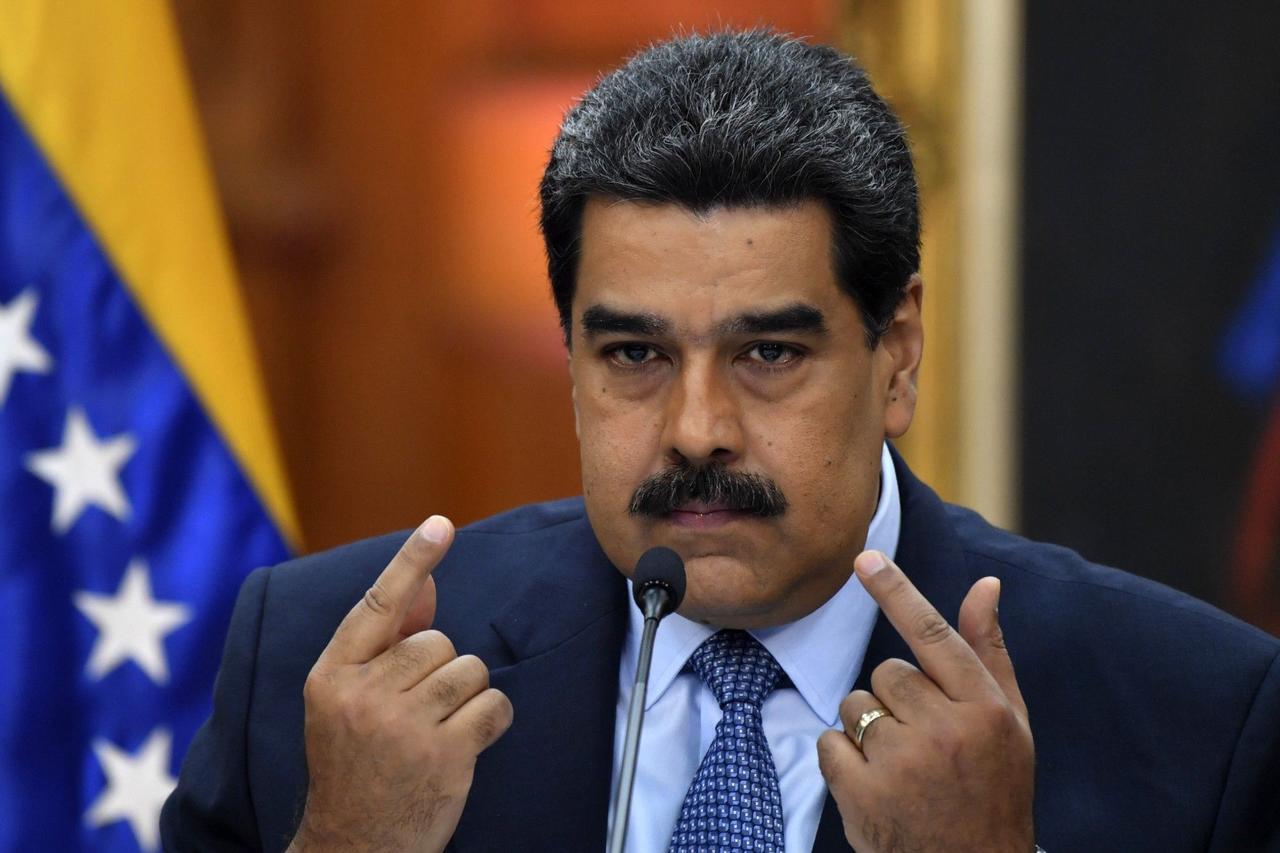
As we've recently observed, Washington's push to oust Maduro is by no means over, even if seemingly less intensified as well and central to media coverage. Currently for example, there's some level of build-up of US naval ships in the Caribbean ordered by the administration off Venezuela's coast for what the White House had described early last month as "counter-narcotics operations".
And now the Associated Press has unearthed the stunning details of a prior failed coup attempt that seem straight out of a Hollywood script, given it involved a plot centered on about 300 “heavily armed volunteers” who unsuccessfully tried to topple Nicolas Maduro in a “private coup” allegedly funded by US billionaires.
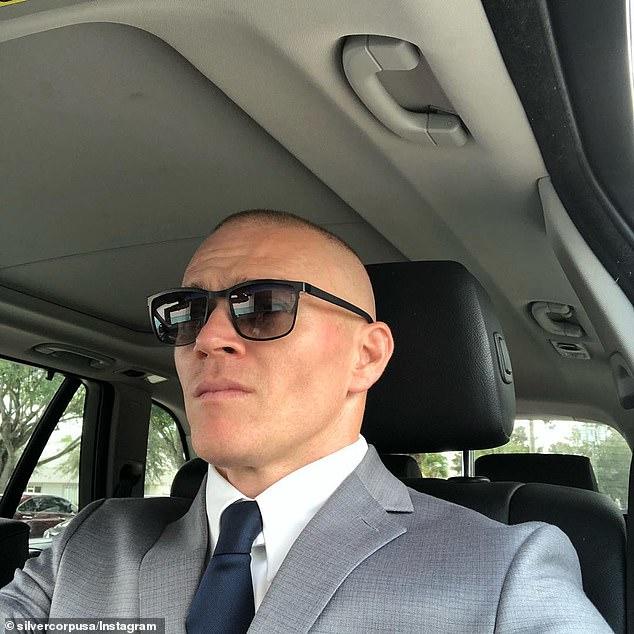
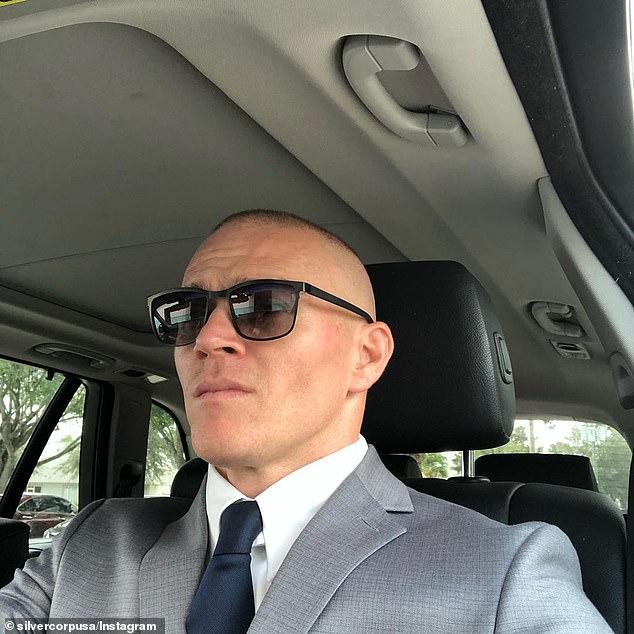
Former Green Beret Jordan Goudreau (center). Image via Silvercorp USA/Instagram/Daily Mail.
The American overseer of the whole operation was a former Green Beret who ran secret training camps in neighboring Colombia, with the aim to infiltrate the group into Venezuela in order to fuel momentum for a broader 'armed popular uprising' à la covert CIA-style Syria regime change ops.

The details are as follows according to the AP:
The plan was simple, but perilous. Some 300 heavily armed volunteers would sneak into Venezuela from the northern tip of South America. Along the way, they would raid military bases in the socialist country and ignite a popular rebellion that would end in President Nicolás Maduro’s arrest.
What could go wrong? As it turns out, pretty much everything.
The ringleader of the plot is now jailed in the U.S. on narcotics charges. Authorities in the U.S. and Colombia are asking questions about the role of his muscular American adviser, a former Green Beret. And dozens of desperate combatants who flocked to secret training camps in Colombia said they have been left to fend for themselves amid the coronavirus pandemic.
And like other more recent disastrous failed plots to oust the socialist strongman in Caracas, such as last year's short-lived rebellion a small group of Juan Guaido loyal officers, AP reports the "The failed attempt to start an uprising collapsed under the collective weight of skimpy planning, feuding among opposition politicians and a poorly trained force that stood little chance of beating the Venezuelan military."
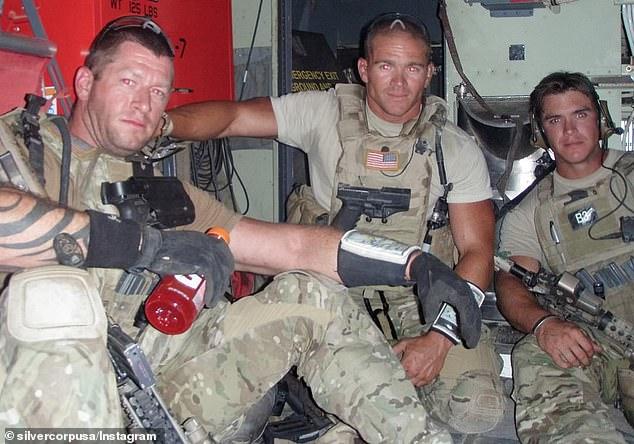
After leaving the Army in 2016, Goudreau worked as a private security contractor in Puerto Rico and set up Silvercorp USA in 2018. Image via SilvercorpsUSA/Daily Mail.
It's unclear the extent to which it had the official backing or coordination with US intelligence, or the degree to which it was an entirely private, 'rogue' undertaking, though Venezuelan state media has slammed the newly emerged plot as another failed CIA coup attempt.
Though at times while pitching and discussing his plan, ex-Green Beret Goudrea — who in 2018 established his private security firm Silvercorp USA — had contact with individuals linked to President Trump (such as a veteran personal bodyguard of Trump's) as well as a who's who of shady defected Venezuelan military officers, the AP report claims that any Washington officials or people of influence who caught a whiff of his bizarre plan rejected it and distanced themselves from it.

lt all began, according to the AP, after April 2019 with what's colorfully described as a “Star Wars summit of anti-Maduro goofballs”. The report details:
Planning for the incursion began after an April 30, 2019, barracks revolt by a cadre of soldiers who swore loyalty to Maduro’s would-be replacement, Juan Guaidó, the opposition leader recognized by the U.S. and some 60 other nations as Venezuela’s rightful leader. Contrary to U.S. expectations at the time, key Maduro aides never joined with the opposition and the government quickly quashed the uprising.
A few weeks later, some soldiers and politicians involved in the failed rebellion retreated to the JW Marriott in Bogota, Colombia. The hotel was a center of intrigue among Venezuelan exiles. For this occasion, conference rooms were reserved for what one participant described as the “Star Wars summit of anti-Maduro goofballs” — military deserters accused of drug trafficking, shady financiers and former Maduro officials seeking redemption.
Among those angling in the open lobby was Jordan Goudreau, an American citizen and three-time Bronze Star recipient for bravery in Iraq and Afghanistan, where he served as a medic in U.S. Army special forces, according to five people who met with the former soldier.
Those he interacted with in the U.S. and Colombia described him in interviews alternately as a freedom-loving patriot, a mercenary and a gifted warrior scarred by battle and in way over his head.
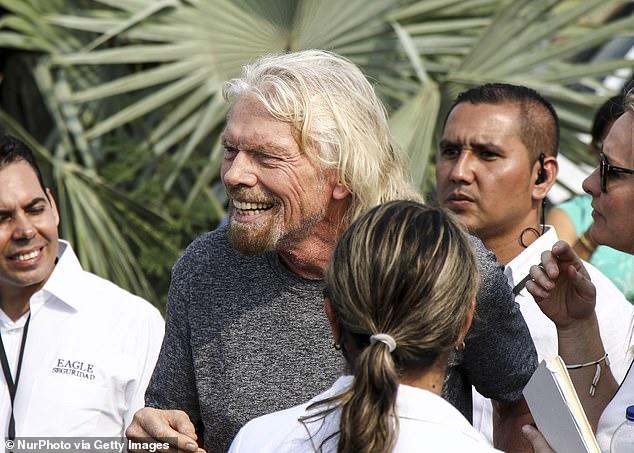
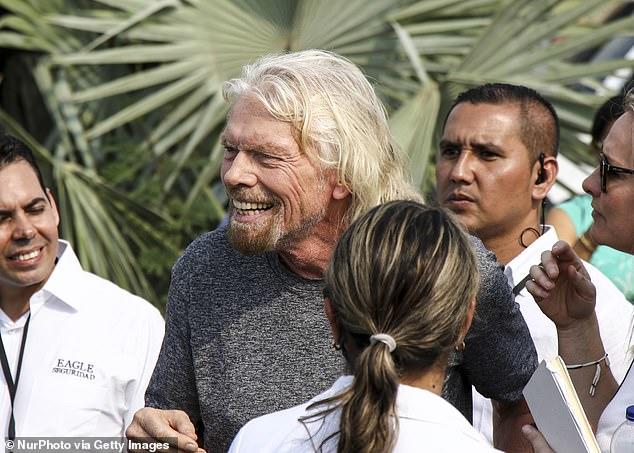
The 43-year old Goudreau soon landed a spot helping to organize security for the February 2019 controversial 'Live Aid freedom-type' opposition supporting concert put on by British billionaire Richard Branson, held on the Venezuelan-Colombian border.
British billionaire Richard Branson on the Venezuelan-Colombian border at his concern in support of opposition leader Juan Guaido, via Getty Images/Daily Mail.
Goudreau had later written of the event: “Controlling chaos on the Venezuela border where a dictator looks on with apprehension,” according to an Instagram post showing him working the concert, which attempted to gem up popular support for ousting Maduro.
The invasion plans involving 300 trained and armed rebel soldiers hinged on Goudreau working closely with a ringleader of the Venezuelan military deserters, Cliver Alcalá, previously a retired major general in Venezuela’s army, as AP continues:
Goudreau told Alcalá his company could prepare the men for battle, according to the three sources. The two sides discussed weapons and equipment for the volunteer army, with Goudreau estimating a budget of around $1.5 million for a rapid strike operation.
Goudreau told participants at the meeting that he had high-level contacts in the Trump administration who could assist the effort, although he offered few details, the three people said. Over time, many of the people involved in the plan to overthrow Maduro would come to doubt his word.
From the outset, the audacious plan split an opposition coalition already sharply divided by egos and strategy. There were concerns that Alcalá, with a murky past and ties to the regime through a brother who was Maduro’s ambassador to Iran, couldn’t be trusted. Others worried about going behind the backs of their Colombian allies and the U.S. government.
However, training camps along the border appeared spartan and ill-prepared, with recruits sleeping in barren conditions with lack of enough food and weaponry.
Goudreau marketing himself as a slick head of a multi-national contractor firm, via SilvercorpUSA/Daily Mail.
But documented evidence shows plans for major weapons shipments, some of which reportedly did arrive and were later recovered inside Venezuela's borders by Maduro's military:
The volunteers also shared with Mattos a three-page document listing supplies needed for a three-week operation, which he provided to AP. Items included 320 M4 assault rifles, an anti-tank rocket launcher, Zodiac boats, $1 million in cash and state-of-the-art night vision goggles. The document’s metadata indicates it was created by Goudreau on June 16.
“Unfortunately, there’s a lot of cowboys in this business who try to peddle their military credentials into a big pay day,” said Mattos.
The CIA among other US agencies would deny ever having anything to do with Goudreau and the ultimately failed plan.
However, the report emphasizes it had the support of particular American billionaire businessmen. AP describes:
When the Colombians checked with their CIA counterparts in Bogota, they were told that the former Green Beret was never an agent. Alcalá was then told by his hosts to stop talking about an invasion or face expulsion, the former Colombian official said.
It’s unclear where Alcalá and Goudreau got their backing, and whatever money was collected for the initiative appears to have been meager. One person who allegedly promised support was Roen Kraft, an eccentric descendant of the cheese-making family who — along with former Trump bodyguard Schiller — was among those meeting with opposition envoys in Miami and Washington.
At some point, Kraft started raising money among his own circle of fellow trust-fund friends for what he described as a “private coup” to be carried out by Silvercorp, according to two businessmen whom he asked for money.
Getty images
The ragtag poorly planned 'invasion' was thwarted by the Venezuelan military essentially at the border from the start:
The plot quickly crumbled in early March when one of the volunteer combatants was arrested after sneaking across the border into Venezuela from Colombia.
Shortly after, Colombian police stopped a truck transporting a cache of brand new weapons and tactical equipment worth around $150,000, including spotting scopes, night vision goggles, two-way radios and 26 American-made assault rifles with the serial numbers rubbed off. Fifteen brown-colored helmets were manufactured by High-End Defense Solutions, a Miami-based military equipment vendor owned by a Venezuelan immigrant family.
Currently, the main organizers, including Alcalá and Goudreau himself, are in prison. The ex-Green Beret is now in US federal custody reportedly on narcotic charges, but the details remain unclear.

(ZH) "Remdesivir Is Probably Worthless" - A Trauma Surgeon Exposes "Drug Company

"Remdesivir Is Probably Worthless" - A Trauma Surgeon Exposes "Drug Company's Shenanigans"

Markets got very excited (briefly) this week about a study finding a Gilead Sciences drug helped coronavirus patients heal a little more quickly.
But that was all the trial found: remdesivir isn’t the miracle cure that will get us all out of lockdowns tomorrow, unfortunately.
Worse, as Bloomberg's Faye Flam writes, the trial was rushed to get quick FDA approval, without getting helpful information on what kinds of patients it helps or hurts the most; and now that the study is over, we’ve forever lost a chance to help doctors treat virus patients better.
All of which raises a significant number of questions and Acute Care Surgeon (and Asst Professor of Surgery at Wash U.) Mark Hoofnagle warns "I am truly sorry to say, Remdesivir is probably worthless..."

In an excellent Twitter thread, Hoofnagle details what he calls "some fascinating drug company shenanigans."
First, the pre-test probability that an infused, small-molecule inhibitor of a virus would improve mortality in symptomatic patients was already pretty low. Unfortunately, antivirals work poorly in acute disease. This has to do with their mechanism of action, and host response.
Antivirals usually target some aspect of viral replication/assembly/transmission. Remdesivir is a clever pharmacologic prodrug that inhibits a key piece of RNA viruses that mammals don’t have - the RNA-dependent RNA polymerase, and inhibits viral replication.
Unfortunately, by the time you are symptomatic with a virus, you are usually already high/peak viral load. So, when you give an antiviral to someone who is already ill, the damage from the virus is largely done.
It’s there in big numbers and in the cells.

Pick your metaphor. The cat is out of the bag. The damage is done. At this point the host response to virus is activated, and your body is suppressing replication through a variety of mechanisms (which also make you feel terrible).
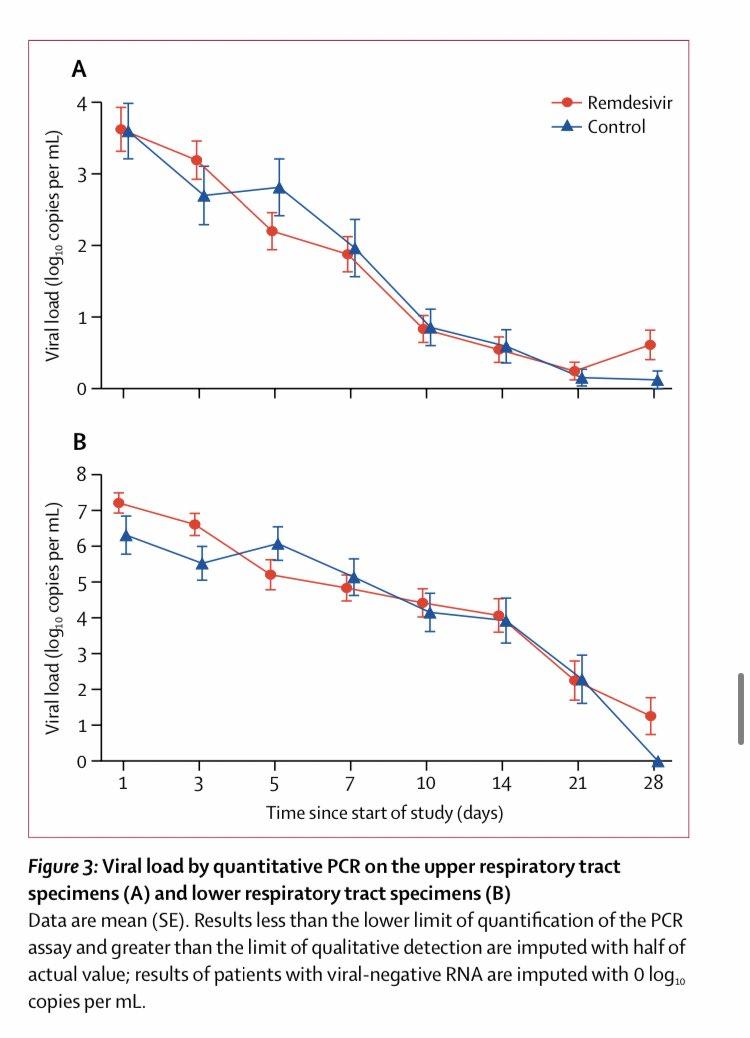
So how could inhibiting RDRP after the fact help? The answer is, it probably doesnt. It certainly didn’t in this trial - no difference, not even a trend in mortality, but in subgroup analysis maybe shortened disease duration in early/mild disease.
Now, critics of stupid drugs that should never have been stockpiled by govts say, “sounds like Tamiflu!”
Yes. This is the same as Tamiflu, which also maybe shortens flu by a day, but otherwise is a largely useless antiviral (and actually harmful with bad side effect profile).
Fortunately, side effects of remdesivir did not seem severe in this trial with only about 3x as many patients stopping than placebo, some rashes, nothing life threatening.
Where do the Shenanigans come in?
Well, remember how maybe this Chinese trial showed a shortened course in a subset of patients? Like tamiflu? But didn’t change mortality?
Well a month ago the NIAID trial changed their endpoints to remove death and instead look at dz duration.
No really.
They changed the destination half way through the race to match the only positive outcome of another trial, that they (or Gilead at least) certainly had a copy of the paper once it was submitted to Lancet.
Shenanigans! Get a broom!
Walid Gellad, MD MPH@walidgellad

Since NIH remdesivir trial is in the news...

was there an explanation about why the primary outcome (now positive) was changed last month to 'time until clinical recovery?' @matthewherper https://clinicaltrials.gov/ct2/history/NCT04280705?A=10&B=16&C=Side-by-Side#StudyPageTop …

227 people are talking about this


This is like declaring a race and then when you realize you’re not going to win, declaring the destination was actually wherever you are standing at the moment.
Then, even more fishy, *the same day* as this Lancet trial is release, Gilead and NIAID claim a “positive trial” and they’ve “shortened the course of the disease significantly”. Notably, the mortality benefit did not reach significance.
By the end of the day, reports that FDA is going to emergently approve remdesivir for treatment of COVID.
Gilead gets what they want. No one will want to be in a control arm in further trials and they will argue all future trials must be non-inferiority.
Before we have the answer whether this drug actually changes anyone’s destiny, it’s going to become the gold standard therapy. We will likely now never know if (the unlikely possibility) it changes mortality.
Absolute genius. You have to salute them. On the day a negative trial of their drug is reported, based on a press release they took over the news cycle, and with some midstream edits to their endpoints their now “positive” trial wins them FDA approval and a halted trial.
It’s an infusion, once symptomatic, you need an admission, a test, etc., really even symptoms are probably too late a goal for such a therapy to work. Prophylaxis (like Gilead’s Truvada/PreP) would be better - but unworkable in its current form.
Either way, a big win for Gilead, but I’m unimpressed with any if the evidence presented so far that this is a game changer.
* * *
How long before Hoofnagle is banned from Twitter?
Hoofnagle is not alone in his skepticism.
Naked Capitalism's Yves Smith exclaims, it is disturbing to watch the push to con the public into seeing remdesivir as the only promising treatment for coronavirus, and points to a new study that found and tested 47 old drugs that might treat the coronavirus: Results show promising leads and a whole new way to fight COVID-19

(ZH) These Are The 10 Most Expensive (And Cheapest) Cities In The World

Where personal wealth is concerned, there are two sides to every story.
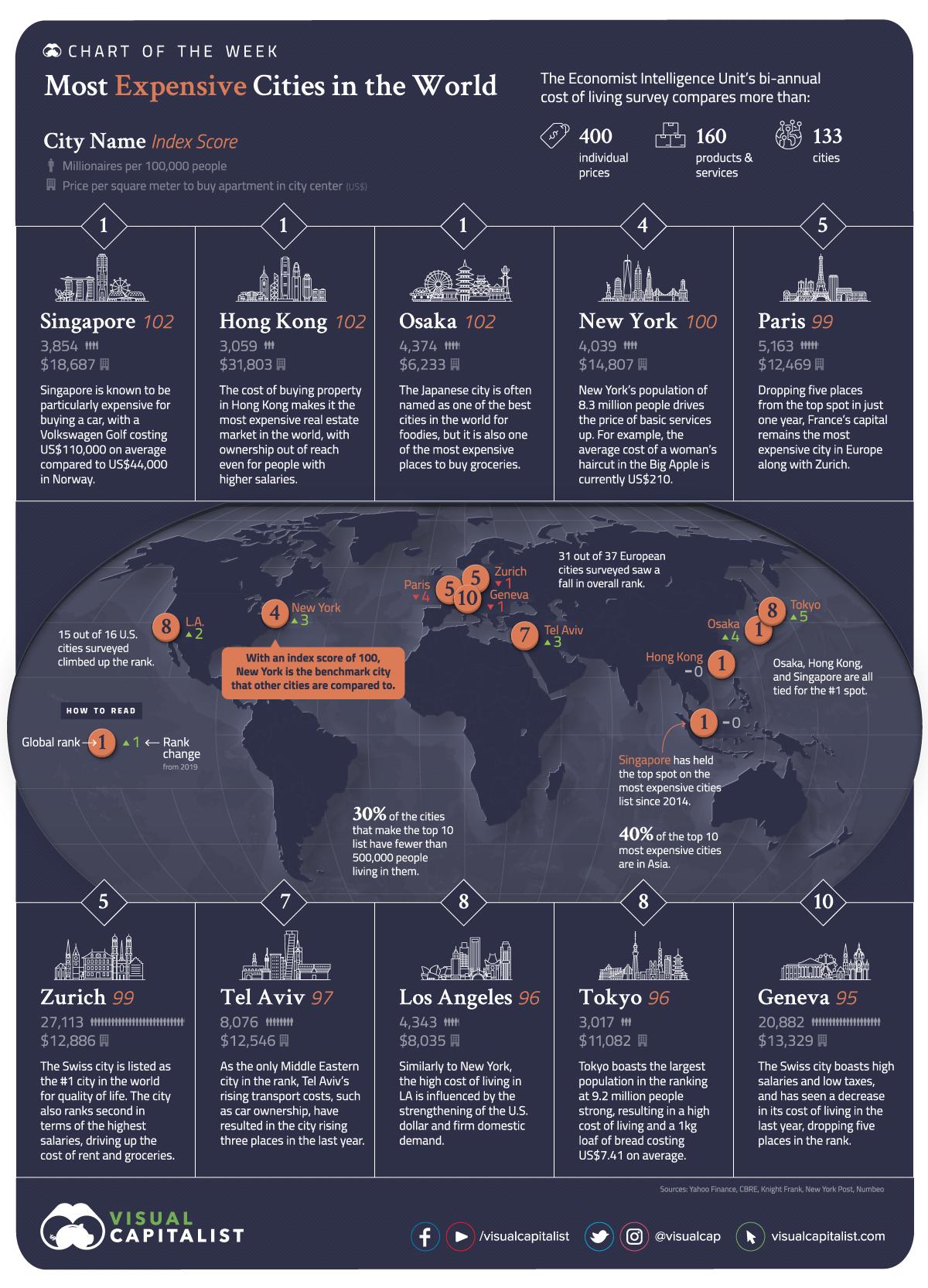
The first of which is the amount of money a person earns, and the other is what they choose to spend their money on. As Visual Capitalist's Katie Jones notes, the latter is influenced by the cost of living in the city where they reside - an ever-changing metric that is driven by a wide variety of factors, such as currency, population growth, or external market movements.
Today’s graphic visualizes the findings from the 2020 Worldwide Cost of Living report and uses data from 133 cities to rank the most expensive cities in the world.

Note: Report research was conducted towards the end of 2019, before the COVID-19 outbreak.
Asia Dominates the Ranking
Globally, the cost of living has fallen by an average of 4% over the last year, with much of the movement up and down the ranking being driven by currency fluctuations.
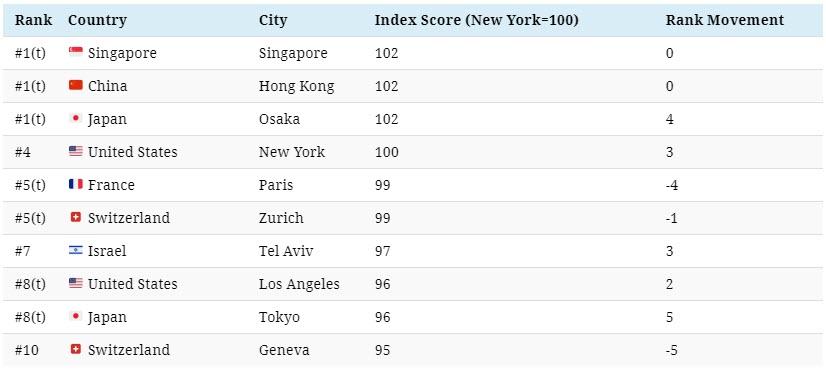
The locations with the highest cost of living are largely split between Europe and Asia. For the second time in the report’s 30-year history, three cities are tied as the top spot—Singapore, Hong Kong, and Osaka.
Source: EIU. New York City is index baseline (score = 100). Ties in index score values are denoted by (t).

Osaka is a newcomer to the top spot, climbing four places over the last year to join cost of living heavyweight champions, Singapore and Hong Kong. As Japan’s third-largest city, Osaka is a major financial hub and a breeding ground for emerging startups, with relatively low real estate costs compared to Singapore and Hong Kong.
Three European cities (Paris, Zurich, and Geneva) sit atop the most expensive city rankings, compared to seven cities only 10 years ago. Similarly, 31 of the 37 European cities have seen a decrease in cost of living overall—largely as a result of the Euro or local currencies losing value relative to the U.S. dollar.
Finally, the top 10 is rounded out with two cities from the United States (New York, Los Angeles) and one from Israel (Tel Aviv).
The Cheapest Cities
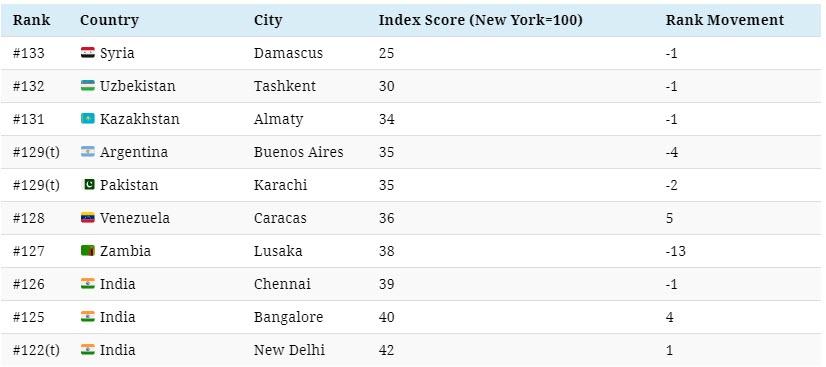
While East Asia is home to many of the world’s most expensive cities, South Asia hosts the largest grouping of cities with the lowest cost of living.
Source: EIU. New York City is index baseline (score = 100). Ties in index score values are denoted by (t).
Three Indian cities dominate the cheapest cities ranking due to a combination of low wages and high levels of income inequality, preventing any price increases.
Meanwhile, political and economic turmoil is a common denominator among the cheapest cities outside of South Asia. For example, the Syrian Civil War resulted in an economic collapse, leading to high inflation and a downward spiral in value for the Syrian pound.
A Spanner in the Works
The COVID-19 pandemic is estimated to cost the global economy up to $2 trillion in 2020, so while governments attempt to boost the economy, many are concerned about higher inflation rates spreading across the world.
With a recession becoming more likely, uncertainty around real estate prices will heighten for every city, regardless of their cost of living ranking.
As we navigate chaotic and uncertain times, the next cost of living survey could look very different to today—the most important question will be how permanent the damaging effects of the pandemic will be.

WSJ ; Coronavirus Kills People an Average of a Decade Before Their Time, Studies

Coronavirus Kills People an Average of a Decade Before Their Time, Studies Find
Research, which can help governments assess economic cost of lockdowns, shows Covid-19 isn’t merely hastening the end for the already ill

People dying of Covid-19 could have expected to live on average for at least another decade, according to two studies that help fill in the developing picture of the human cost of the coronavirus pandemic.

The findings show the virus isn’t just carrying off the elderly or infirm a few months before their time.

“Some people think that these people dying would have died this year anyway,” said Andrew Briggs, a professor of health economics at the London School of Hygiene & Tropical Medicine who led one of the studies. “That’s simply not the case.”

As governments loosen lockdowns that have contained the disease but cratered economies, estimates of life-years lost can feed into initial assessments comparing the costs of the shutdowns against the social and economic benefits of saving lives.

Such cost-benefit studies, while coldly analytical, are a standard tool used by public health services, insurers and pharmaceutical companies.

Some scientists said the new studies reinforce the argument that social distancing and other methods of preventing transmission should remain a feature of everyday life to prevent a resurgence of the coronavirus.

The two academic analyses, published separately, examined mortality data in several hard-hit countries to compare the age at which victims of Covid-19, the disease caused by the virus, are dying with data on life expectancy overall.

The studies, using different techniques, took account of differences in life expectancy associated with common ailments, such as heart disease, diabetes and dementia, to reflect varying levels of health of those who died.

A paper by Scotland-based researchers published online by the Wellcome Trust, a London-based foundation that funds scientific research, found the average number of years of life lost to Covid-19 for healthy adults is 14 for men and 12 for women.

Using a mix of data from Italy and the U.K. on the kind of long-term conditions seen in Covid-19 victims and the general population, the researchers also mapped out the years of life lost for those suffering from common chronic illnesses and cancer, including those with multiple conditions. They found Covid-19 still cost such victims more than a decade of life, on average, with the sickest patients losing between one and six years depending on their age. Repeating the analysis using U.S. life-expectancy data yielded similar results.

A separate analysis led by Mr. Briggs put the U.S. average at almost 14 years lost and the U.K. average at almost 11 years. The difference is because U.S. Covid-19 victims identified so far have been younger on average than those in the U.K., he said.

Even adjusting for age and existing medical conditions, Americans with multiple ailments over age 90 are losing more than one year of life, according to Mr. Briggs’s study, which he conducted with academics in the U.S., Canada, Norway and Israel, and which also covered those countries.

The study combined data on deaths linked to Covid-19 in each country with the country’s standard life-expectancy tables. The study adjusted for existing ailments and also took into account reduced quality of life associated with sickness.
The findings of both studies challenge a perception that Covid-19 primarily kills elderly people who would have likely died soon anyway, or that its societal cost is similar to that of seasonal influenza, researchers said.

Using estimates of life-years lost and standard values placed on one year of life in different countries, analysts can begin to put an economic value on the benefits of the extreme steps now being taken to fight the new coronavirus. These can be compared against the cost of shutdowns, in direct financial terms and secondary consequences such as increases in other medical conditions that are going untreated, both physical and psychological.

“This is not a value judgment. This is how governments have always accepted to make decisions” said Eline van den Broek-Altenburg, a professor of health economics at the University of Vermont who wasn’t involved in the new studies. She said not enough of that analysis is now being conducted.

Data from the Centers for Disease Control and Prevention show that of the 37,000 who died in the U.S. with Covid-19 between Feb. 1 and April 25, 31% were over 85. But 40%, or 14,600 people, were between 45 and 75 years old, and could have expected to live many more years. Total deaths linked to the virus in the U.S. passed 64,000 on Friday.

The number of years of life lost to Covid-19 is similar to that seen in serious diseases such as heart disease or severe respiratory illnesses, said David McAllister, senior clinical lecturer in public health at the University of Glasgow, who led the Scottish study.

“I did think it would be much lower. I thought we would be seeing fewer years of life lost on average,” Dr. McAllister said.

There have been more than three million confirmed cases of infection with the new coronavirus across the world and almost a quarter of a million deaths linked to Covid-19. Disease experts say such figures probably underestimate the true toll, given gaps in data caused by reporting delays, low levels of testing for the virus, and other factors.

Scientists have for months been trying to pin down exactly how lethal the pathogen is, considering that many more people may have been infected. In severe cases, the disease ravages the lungs and has been linked to problems affecting the heart, brain and kidneys. Estimates of the fatality rate for those infected vary. A March 30 paper published in The Lancet, a British medical journal, concluded the percentage of those infected in China who later died was between 0.4% and 1.3%. The risk of being hospitalized with Covid-19 was as high as 18% for those over 80 years old.

Keith Neal, emeritus professor in the epidemiology of infectious diseases at the University of Nottingham, England, who wasn’t involved in either study, said the papers’ findings underscore the disease’s severity.

“We don’t usually have something as devastating as this,” he said. To limit the spread of the virus, he said, governments should persist with measures such as social distancing and isolating infected individuals after lockdowns are lifted.

WSJ : Warren Buffett Says ‘American Magic’ to Overcome Coronavirus Uncertainty

Warren Buffett Says ‘American Magic’ to Overcome Coronavirus Uncertainty
At Berkshire Hathaway’s virtual annual meeting, Mr. Buffett serves up faith in the economy but reveals conglomerate sold its airline stakes

Warren Buffett offered reassurance at Berkshire Hathaway Inc.’s BRK.B -2.50% annual meeting Saturday that the U.S. economy will recover steadily from the coronavirus pandemic.

Speaking onstage at an empty arena in downtown Omaha, Neb., Mr. Buffett said the range of possibilities from the pandemic was wide, but it had significantly narrowed in recent weeks.

He said it now seemed unlikely the world would face the worst possible health and economic scenarios from the novel coronavirus, compared with some of the predictions made earlier this year. Moreover, the U.S. economy will recover with time, Mr. Buffett said.

“We’ve faced tougher problems, and the American miracle, the American magic, has always prevailed,” he said in livestreamed remarks, adding that it would do so again.

Despite Mr. Buffett’s confidence in the economy’s ability to overcome obstacles over time, he said it is hard to factor in an unpredictable event like a pandemic on markets, and he underscored his policy of not using borrowed money for investments.

“You can bet on America, but you are going to have to be careful on how you bet. Simply because markets can do anything,” he said.

Mr. Buffet said Berkshire sold about $6.5 billion of stock in April.

Much of those sales were shares of airline companies, Mr. Buffett said. Berkshire had significant holdings in four of the largest carriers in the country— United Airlines Holdings Inc., American Airlines Group Inc., Delta Air Lines Inc. and Southwest Airlines Co. It sold its entire stake in each company.

“When we sell something, we sell our entire stake,” he said.

Mr. Buffett added that the coronavirus crisis has changed the business in a dramatic way through no fault of the companies’ management.

“The airline business has the problem that if the business comes back 70% or 80%, the aircraft don’t disappear,” he said. “The world changed for airlines.”

Mr. Buffett also said he was personally looking forward to flying again, though he “may not fly commercial.”

Inside Berkshire, Mr. Buffett said earnings would be less overall for the company, but the conglomerate’s largest businesses—insurance, railroads and energy—are in decent shape and will continue to produce cash.

Saturday’s meeting was stark in contrast to most years.

Typically, thousands of people flock to Omaha each year for the Berkshire meeting, filling a venue that seats nearly 20,000 and many of the city’s hotels. These Berkshire shareholders come to buy products from the host of companies held in the conglomerate—from Geico and Fruit of the Loom to See’s Candies and Brooks Sports—and hear from Mr. Buffett and Charlie Munger for hours.

But because of the coronavirus pandemic, only Mr. Buffett and Greg Abel, Berkshire’s vice chairman of noninsurance operations, were physically present at this year’s meeting. The two took shareholder questions chosen by a group of handpicked journalists.
Mr. Munger—Berkshire vice chairman as well as Mr. Buffett’s most trusted partner and typical running mate at the meeting—wasn’t in attendance.

“Charlie is in fine shape and will be back next year,” Mr. Buffett said.

In the wake of the pandemic, Berkshire Hathaway has given money to a few of its operating companies, but Mr. Buffett indicated the funding is limited to the short term. “We are not in the business of subsidizing any companies with shareholder money,” he said.

Mr. Abel said none of Berkshire’s fully owned companies received government-issued Paycheck Protection Program loans, which are earmarked for small businesses. Several publicly traded companies returned millions in federal assistance after pressure mounted on them when the program’s initial $350 billion was tapped out in two weeks.

After a quarter in which Berkshire reported a loss of nearly $49.7 billion but also posted higher operating earnings and $137.3 billion in cash, some questions were asked about a lack of deal-making from the firm. For years, Mr. Buffett has lamented the challenge of finding acquisition targets that are large enough to move the needle for Berkshire and are reasonably priced.

Over the last month, the pandemic has crushed the price of a host of assets. And yet, his firm hasn’t made a deal.

Mr. Buffett said the firm wants to do something big, but it hasn’t found the right fit.

“We haven’t seen anything attractive,” he said.

He also said one issue was the Federal Reserve’s quick action in confronting a “freeze” in credit markets in mid-March. Berkshire was getting calls at one point that month from firms that needed help, but those requests were never at prices that made sense for the conglomerate.

When the Fed moved quickly, many companies that might have made a deal with Berkshire got a reprieve, said Mr. Buffett.

Looking to the coming months, Mr. Buffett said the insurance industry is preparing for many potentially costly lawsuits related to the pandemic from companies and individuals.

Berkshire owns Geico—which recently refunded premiums to customers as a sharp reduction in driving due to lockdowns has resulted in fewer accidents—and other insurance companies. He said many corporate policies don’t allow a claim for business interruption due to a pandemic, but companies are preparing to fight back.

“The amount of litigation that is going to be generated…is gonna be huge,” he said.

Even so, he said Berkshire may offer pandemic insurance down the road.

Mr. Buffett said the current crisis is very different from the 2008 financial crisis, in part because the banking industry is in better shape and not the source of the issue. For now, he isn’t particularly worried about banks or Berkshire’s bank investments.

“I don’t see special problems in the banking system, no,” he said.

Late in the evening, Mr. Buffett was asked a question written by actor Bill Murray about what the country can do for the health-care workers on the front lines of the pandemic. Mr. Buffett responded by raising the issue of financial inequality in the country.

“We’re going in the right direction as a country, but it’s been awfully slow,” he said.