FT : EY warned Wirecard that special audit risked misinterpretation

EY warned Wirecard that special audit risked misinterpretation
Accounting firm said draft of KPMG’s independent report needed ‘context’ on payments group’s third-party business

EY told Wirecard that the draft of an independent audit report by KPMG lacked “context” and could lead to wrong conclusions about the business at the heart of an accounting scandal that has shaken corporate Germany.

The German payments group’s longstanding auditor intervened just a day before the April publication of the KPMG report which raised doubts about a company now exposed in one of the country’s biggest postwar accounting frauds.

KPMG had been unable to verify the existence of activities which, on paper, accounted for half of Wirecard’s revenue and all its operating profit. Two months later Wirecard collapsed after this third-party acquiring business (TPA), which was said to carry out payments processing for the company in countries where it lacked licences to operate, was shown to be a sham.

Documents reviewed by the Financial Times show that EY and Wirecard saw two drafts of the KPMG audit prior to its publication. The investigation had been commissioned by Wirecard in October in an effort to allay concerns over the group’s accounting and was overseen by the supervisory board.

On April 27, a day before the long-delayed report was eventually published, Andreas Budde and Martin Dahmen, auditors at EY, informed Wirecard of their concerns with how the third-party business was presented in a second draft of the audit they had seen that morning.

“According to our view, the topic of third-party acquiring needs to be put in an overall context,” they wrote to then-chief executive Markus Braun, other members of Wirecard’s management board and supervisory board chairman Thomas Eichelmann, according to a document seen by the FT. “Reporting solely on KPMG's forensic investigation carries the danger of misinterpretation,” they noted.

They added that the second draft of the audit contained information that was inconsistent with that “provided by the company [Wirecard] or with the findings of our audit”. In the documents seen by the FT, Mr Budde and Mr Dahmen did not go into further detail or recommend specific changes to the draft. 

During the audit of Wirecard’s 2018 results, the TPA business was a particular focus of Mr Budde and Mr Dahmen. They gave it a clean bill of health.

Last month, the Financial Times reported that EY failed for more than three years to request crucial account information from a Singapore bank where Wirecard claimed it had up to €1bn in cash purportedly linked to the TPA business — a routine audit procedure that could have uncovered the vast fraud. Wirecard in June disclosed that the cash does “not exist” and that the TPA has been misrepresented to investors for years.

EY’s intervention came as Wirecard faced mounting pressure to get its 2019 financial results signed off by its long-term auditor. The once high-flying company was legally obliged to publish audited results by April 30, or risk fines and reputational damage.

When the findings of KPMG's special audit were published on April 28, they stunned shareholders who had been repeatedly assured by Wirecard that nothing untoward had been found. Wirecard’s shares closed the day down 26 per cent.

Germany’s worst accounting scandal in decades has turned the spotlight on EY, which gave Wirecard unqualified audits for more than a decade. Apas, the country’s auditor oversight body, has started looking into EY’s work. Last month EY said that third parties had provided the firm with false documentation in connection with Wirecard’s 2019 audit.

Four days before the KPMG audit was published, one of the documents seen by the FT shows that Mr Budde and Mr Dahmen told Wirecard’s management board and Mr Eichelmann that a first draft revealed “differences in opinion” both between itself and KPMG, as well as between Wirecard and KPMG, over “several topics that were raised”.

EY also told the German group that additional steps suggested by its supervisory board and KPMG to clarify issues risked adding further delays in the auditing of the 2019 results.

In an email sent on April 24, EY informed Wirecard that it was still missing “essential documents” that it had been demanding for months, including evidence that money had been paid into escrow accounts as well as evidence that a number of clients existed. 

People familiar with the different versions of the report told the Financial Times that the parts about the TPA section in the published report do not differ from the draft. In the published report, KPMG stated that it could “neither make a statement that the [third party acquiring] revenues exist and are correct [ . . .] nor make a statement that the revenues do not exist and are incorrect”.

In a statement to the FT, EY said: “It has been widely reported that the independent forensic investigation undertaken by KPMG was mandated by the Wirecard management and supervisory boards. EY Germany was not a party to the forensic investigation, and KPMG is solely responsible for the content.”

Mr Budde and Mr Dahmen, via EY, declined to comment.

KPMG and Wirecard declined to comment.
FT : Argentine president to creditors: ‘We can’t do any more’

Argentine president to creditors: ‘We can’t do any more’
Alberto Fernández pleads for understanding over $65bn debt restructuring amid pandemic

Alberto Fernández, Argentina’s president, has made an impassioned appeal for the world to accept that — with an economy devastated by coronavirus — he cannot budge from his final offer to restructure $65bn of foreign debt.

Weighed down by $323bn of borrowing, Argentina was already in a deep recession before the pandemic and in May the South American country defaulted for the ninth time in its history — although no creditors have attempted to sue it yet.

Mr Fernández told the Financial Times that “anything more would put our ability to [pay our debts] at risk, and I don’t want to swindle anybody”, as he dismissed bondholders’ demands for additional sweeteners before an August 4 deadline to accept one of the emerging market world’s biggest restructurings.

In his first interview with the foreign press in Argentina since taking office in December, Mr Fernández, a pragmatic leftist, said a swift resolution of the debt crisis was essential for the recovery of one of the top global grains exporters — a role that would be even more critical after the pandemic.

The Argentine president insisted that even if the bulk of creditors reject his proposal worth 53 cents on the dollar, “there is not going to be another offer”. The last offer from Argentina’s largest and toughest creditor group was worth about 56 cents.

Flanked by his youthful economy minister Martín Guzmán, who listened from behind a face mask but did not speak, the president said: “I want to be able to look you in the eye [later] and not be accused of lying. This is what we can do — we can’t do any more”.

The professorial former lawyer played a key role in debt negotiations as cabinet chief from 2003-08 after Argentina’s last major sovereign debt default in 2001. He argued in the interview with the FT at his office in the presidential residence of Olivos, on the outskirts of Buenos Aires, that creditors needed to accept the new world order created by coronavirus. 

“We hope that the world understands us. We didn’t come here to fight with creditors. We came to fix a problem that we did not create,” he said, noting that it was the previous pro-business government of Mauricio Macri which massively increased the debt burden.

Sitting in front of an image of Argentine heroine Evita Peron embracing her husband shortly before her death in 1951, Mr Fernández outlined his wish that Argentina rebuild its economy by re-industrialising and substituting imports for national production, a policy which echoes that of his Peronist predecessors.

He conceded that a collapse in oil prices meant that Argentina could no longer rely on its huge reserves in the Patagonian shale field known as Vaca Muerta (Dead Cow) to power future growth. But he said the nation’s vast expanse of fertile land amounted to what he called a “living cow” and an opportunity for added-value processed food exports.

Mr Fernández predicted that a pick-up next year in international demand for Argentina’s grains exports from countries like China would power a recovery in 2021 after a “very big fall” this year. This would be aided, he believes, by a fiscal stimulus through subsidies, public works and housing projects. Economists fear this will be financed simply by printing new money, further fuelling one of the world’s highest inflation rates.

But he rejected fears of an outbreak of social unrest of the kind that Argentina suffered during the 2001 economic meltdown as misguided. Covid-19 infections have been steadily rising from a low base despite a strict lockdown in place since mid-March, but Mr Fernández insisted that the pandemic would peak in Argentina within the next month.

As yet, there is no detailed plan for reviving Argentina’s economy, which has been in terminal decline for much of the past half century. “Frankly, I don’t believe in economic plans. I believe in goals that we can set ourselves so that the economy can work towards achieving [them],” said Mr Fernández, pointing to previous government plans which proved alarmingly shortlived.

Investors have expressed concern about behind-the-scenes influence exerted by his more radical vice-president, Cristina Fernández de Kirchner, who unsettled markets when she served as president from 2007-15. They saw her hand behind the government’s attempt to expropriate Argentina’s largest grains exporter, Vicentín, which defaulted on its debt last year.

“That was my decision. Cristina had nothing to do with it, but nothing to do with it, nothing” he said. “Many of those fears [about Ms Fernández] are invented by the media and analysts”. He also emphatically defended Ms Fernández’s decision in 2012 to expropriate the majority share of Spain’s Repsol in Argentina’s top oil producer, YPF “because its shareholders had stopped investing and were causing Argentina a big problem”.

Describing himself as “the most pragmatic person that exists”, the Peronist leader insisted that he was against state intervention in the economy for the sake of it. “If I wanted to nationalise or expropriate companies I would not start with those that are bankrupt, I would start with those that are functioning well,” he said.

As for his deputy, Argentina’s leader rejected local media reports that she is the power behind the throne: “We are friends, we get on well, we have known each other for a long time. We are not necessarily alike, but our differences do not divide us . . . On the contrary, we realised a while ago that being separated facilitated our defeat [in the 2015 presidential elections] . . . Do I talk to Cristina? Yes. Do I care about her ideas? Yes of course . . . but the one who takes decisions here is me.”

9to5 : Everything we know about the iPhone 12 and iPhone 12 Pro so far


This year is shaping up to be a busy one for the iPhone. Apple is rumored to be preparing a new low-cost iPhone, referred to as the 2020 iPhone SE, as well as four different iPhone 12 variants set for release in the fall. Read on as we round up all of the specs, features, and design details that we know about the iPhone 12 so far.

Update 4/14/2020: We’ve updated this roundup with new details on the iPhone 12 lineup, including design details, processor information, the LiDAR Scanner, and the potential for delays caused by COVID-19.
Update 6/19/2020: We’ve updated this roundup with new details on the iPhone 12 accessories, release date rumors, dummy units, and much more.

iPhone 12 design
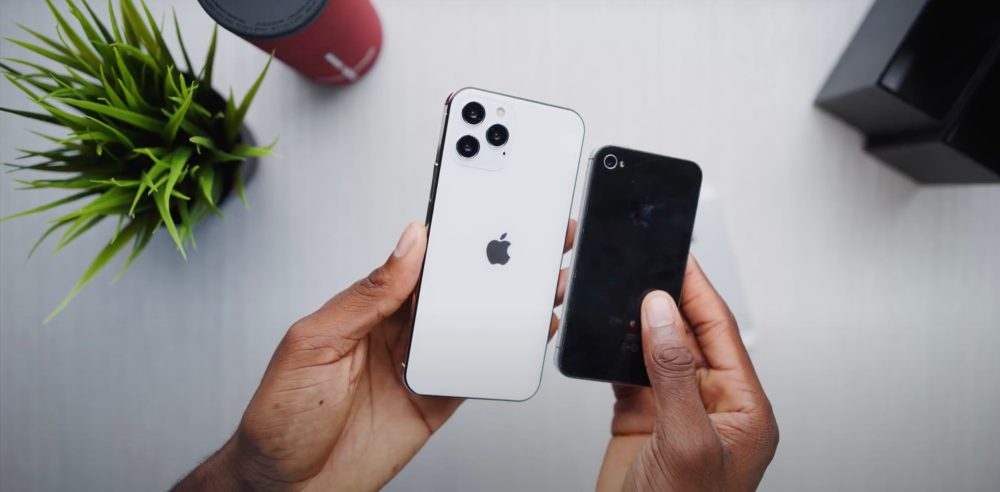
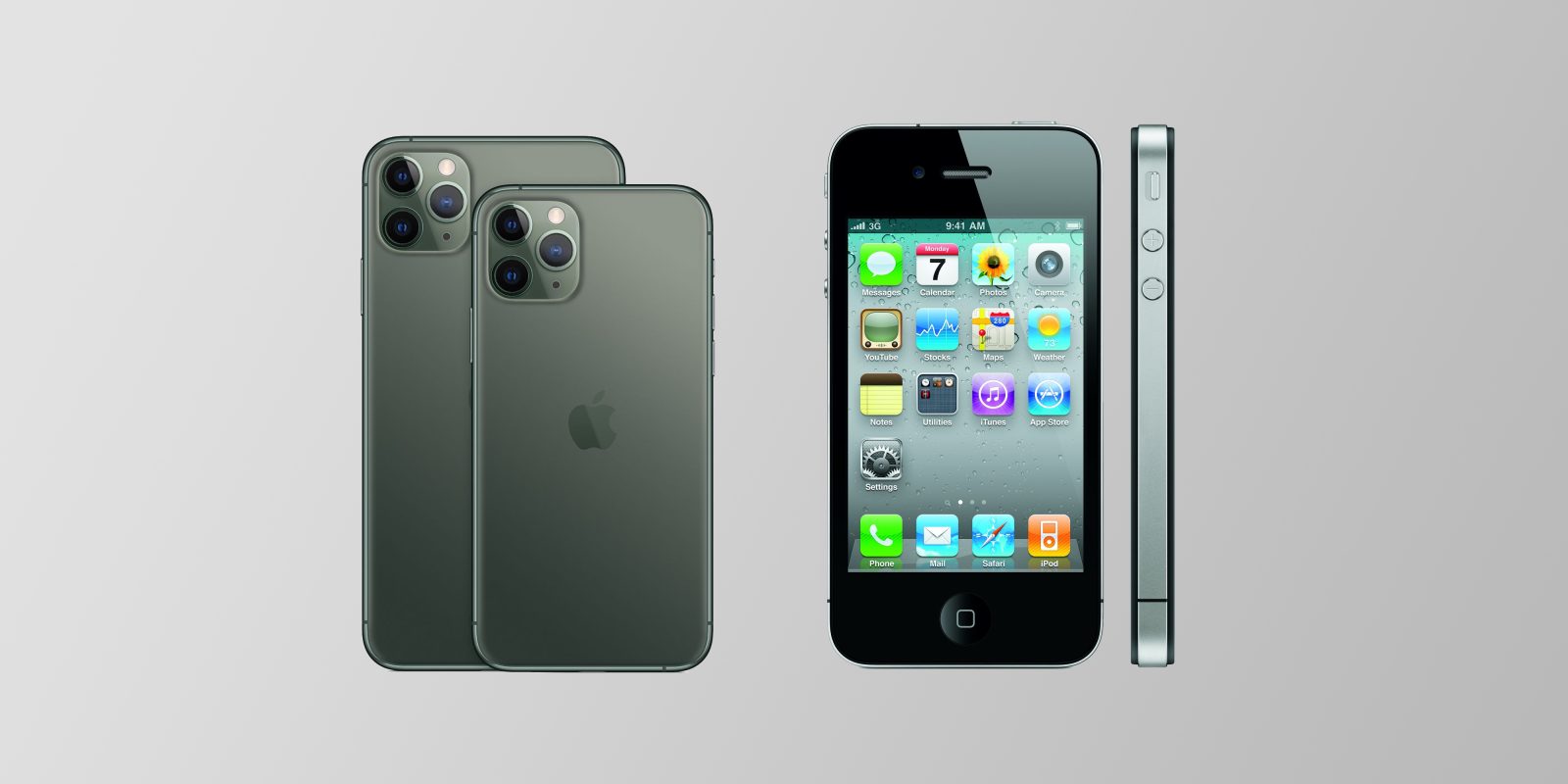
If you find yourself longing for the days of the iPhone 4, 2020 might be the year for you. We expect the iPhone 12 to mark the return to slab-sided design, with reports suggesting that the device will heavily resemble the iPhone 4. Reliable Apple analyst Ming-Chi Kuo has said this will come as part of a significant chassis redesign for the iPhone 12.
Kuo believes that the iPhone 12 will still feature curved glass edges around the display, like the iPhone 11. The analyst has referenced 2/2.5D glass in his various reporting on the 2020 iPhone lineup. Currently, the iPhone 11 Pro features a blended design between the glass of the display and the stainless steel edges. This differs from the iPhone 4, which was completely squared-off around the sides.
A supply chain report has also suggested that the iPhone 12 lineup will be thinner than the iPhone 11, with the largest iPhone 12 model coming in at 7.4mm thick. That’s around 10% thinner than the 8.1mm iPhone 11 Pro Max. Whether or not the rest of the iPhone 12 lineup will be slimmer remains to be seen.
Apple’s return to a boxier industrial design theme with the iPhone 4 makes sense when you consider the design of the iPad Pro. In 2018, Apple redesigned the iPad Pro with a flat-sided body. This redesign has been very well-received by users, so it’s not surprising to see it inspire the iPhone 12.
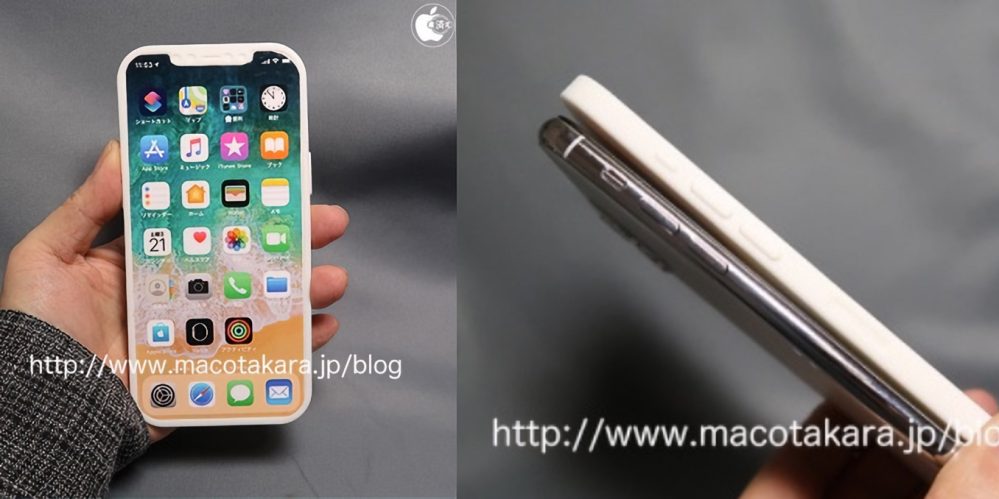
Here’s a look at what the iPhone 12 might look like in dummy form:
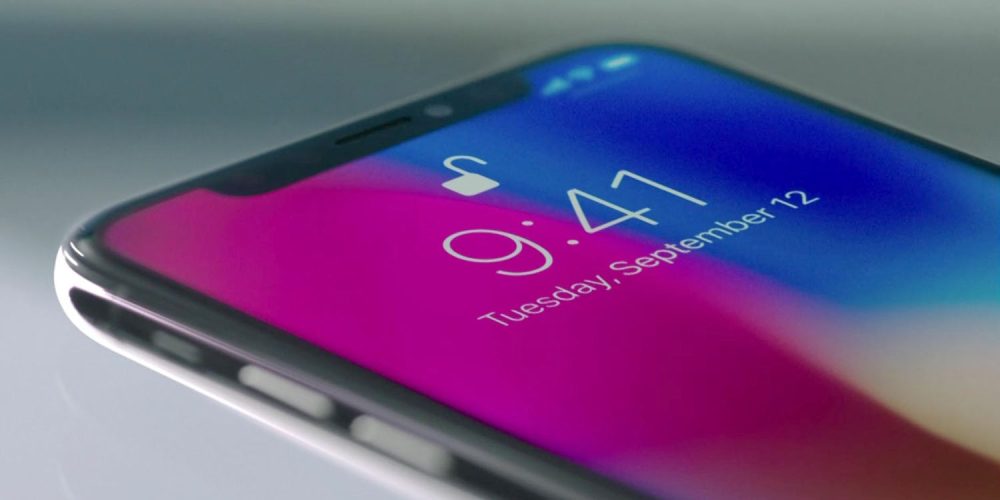
As you can see, in those dummy units, the front-side of the iPhone 12 is expected to look nearly identical to the iPhone 11. There is, however, expected to be one change: a smaller notch. While Apple isn’t expected to remove the notch altogether, reports from Bloomberg and other sources have indicated that Apple will reduce the notch size this year.
But while Apple is planning four new iPhone 12 models for 2020, a report from Bloomberg has suggested that the new flat-edged design might only come to the iPhone 12 Pro models at the high-end. Again, this would make sense given what we’ve seen in the iPad lineup: the low-cost iPad has gone largely unchanged, while the iPad Pro features the latest and greatest design.
YouTuber MKBHD has also offered one of the clearest looks yet at the iPhone 12 design, going hands-on with all three different sizes. MKBHD also simulated what iOS 14 will look like on the new iPhone 12 design, and showcased how the design is similar to the iPhone 4.
While we have a general idea of what the iPhone 12 will look like, additional rumors will likely shed more light on additional details as the fall release approaches.
Display
For the first time ever, the entirety of Apple’s flagship iPhone lineup will sport OLED display technology this year. All four iPhone 12 models are expected to feature OLED screens, including the successor to the LCD-equipped iPhone 11.
What about display sizing? Reports suggest that Apple will shift the lineup slightly this year compared to the iPhone 11. Here’s what we know so far:
  • One iPhone 12 model with a 5.4-inch OLED display
  • Two iPhone 12 models with a 6.1-inch OLED displays
  • One iPhone 12 model with a 6.7-inch OLED display
This means the iPhone 12 collection will include the smallest iPhone to ever feature the edge-to-edge display introduced with the iPhone 12, as well as the largest iPhone ever. Reports say that the 5.4-inch iPhone 12 model will have a height that is “midway between the iPhone SE and iPhone 8,” while the 6.1-inch version will be midway between the iPhone 11 Pro and iPhone 11 Pro Max. The 6.7-inch iPhone 12 will be “slightly taller than the iPhone 11 Pro Max.”
Other than OLED, this year’s iPhones are also rumored to feature 120Hz high refresh rate “ProMotion” displays. iPhones to date have included 60Hz displays, but Apple introduced 120Hz refresh rates to the iPad lineup in 2017. The refresh rate doubling dramatically improves the responsiveness of the user experience with gestures more quickly being translated into on-screen motion.
All in all, this may sound confusing, but the gist is: one smaller iPhone 12, two iPhone 12 models the same size as the iPhone 11, and one larger.
iPhone 12 camera
Other than screen size, the biggest differentiator between the iPhone 12 models will be camera technology. Essentially, Apple is planning two iPhones with dual-lens camera systems and two iPhones with triple-lens camera systems.
The 5.4-inch iPhone 12 will feature two cameras on the back. This will likely consist of ultra-wide and wide-angle lenses. The same setup is expected on the lower-end 6.1-inch iPhone 12.
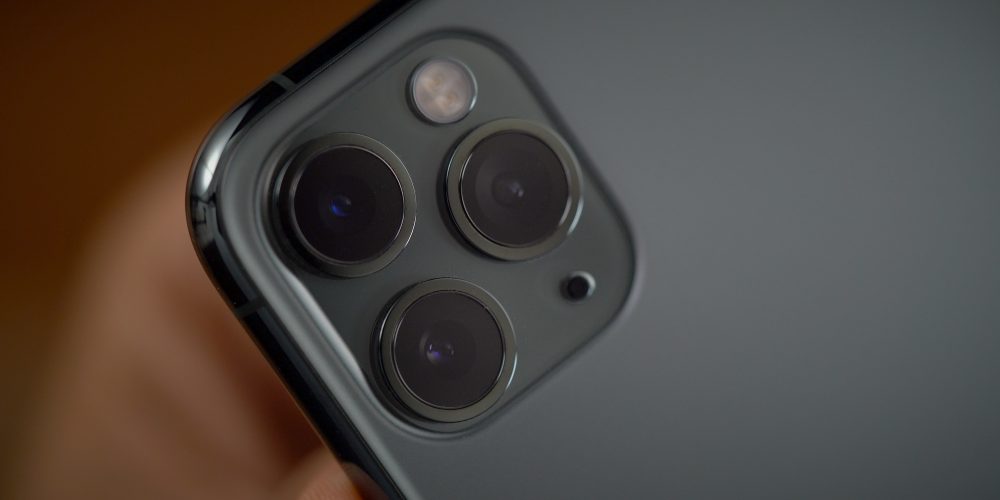
Things get a bit more interesting with the two high-end iPhone 12 models. Here, we expect a triple-lens camera system that is likely similar to the iPhone 11 Pro: wide, ultra-wide, and telephoto. But, these two iPhone models are also expected to feature a new time-of-flight 3D sensor.
What does this mean? A time-of-flight (ToF) sensor is similar to the infrared TrueDepth camera system used on the front-side of iPhones for Face ID. Adding a ToF 3D-sensing system to the back camera would enable higher-fidelity 3D photo captures, potentially opening up new augmented reality opportunities. The ToF sensor would also be more powerful and work at longer distances than the TrueDepth system due to its laser-powered technology.
In addition to augmented reality features, this ToF sensor could also improve things that rely on depth data, such as Portrait mode. Findings within iOS 14 by 9to5Mac have also confirmed that only the iPhone 12 Pro will add the new ToF sensor.
This all makes a lot of sense when you look at the 2020 iPad Pro refresh, which brought a new LiDAR Scanner for the first time. The LiDAR Scanner focuses on improvements to AR capabilities. 9to5Mac has exclusively reported that Apple itself is developing a new augmented reality app for iOS 14 that could integrate with retail stores.
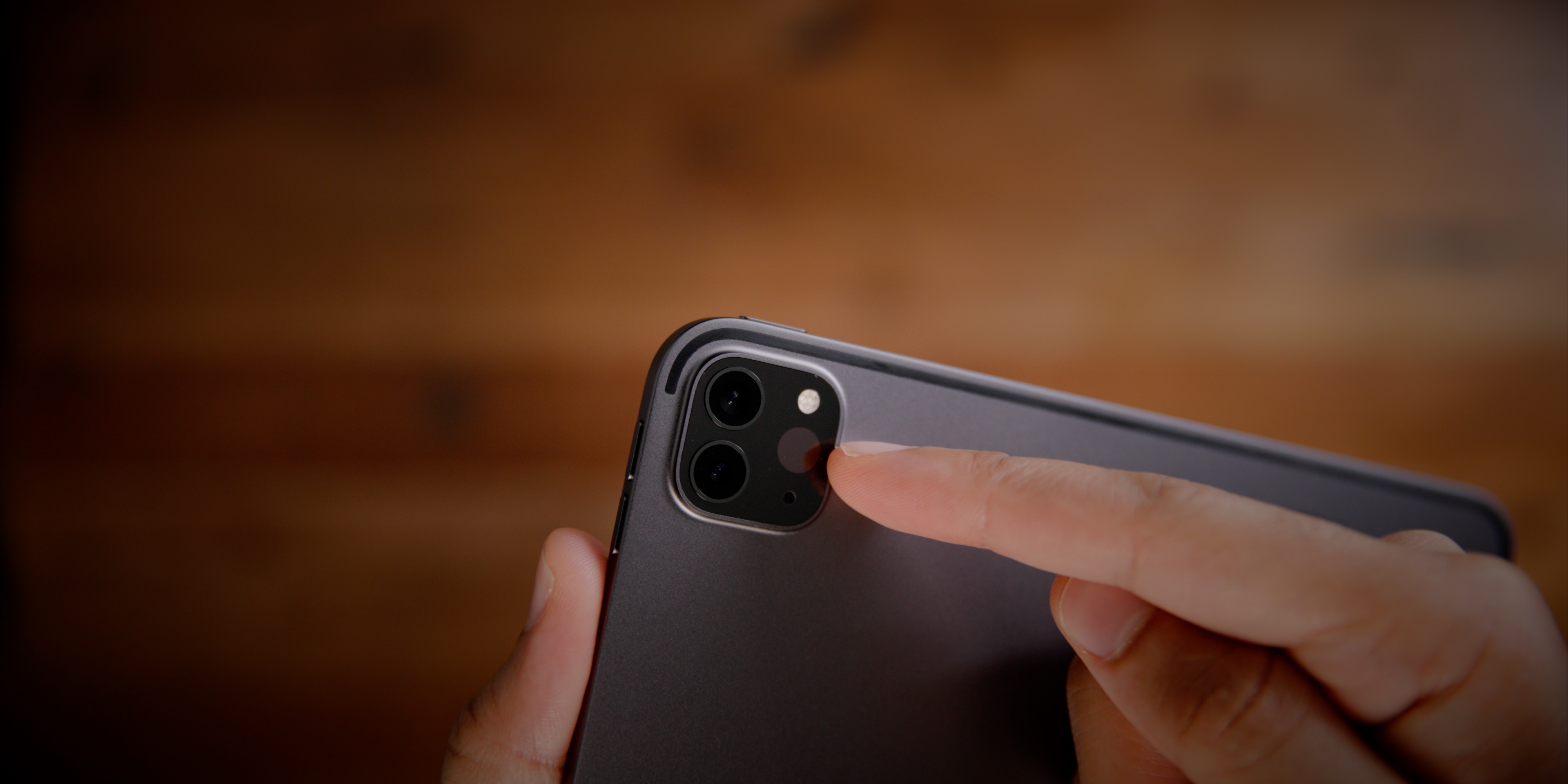
One of the biggest benefits for the iPhone 12 Pro’s LiDAR Scanner, however, will be that developers are better prepared to take advantage of it given the iPad Pro’s existing availability. A leaked image also recently provided a look at how Apple might redesign the camera bump to accommodate the new LiDAR Scanner.
In terms of software, the iPhone 12 models are expected to feature everything currently available on the iPhone 11, including Deep Fusion and Night mode. It also possible that Apple has more software image processing features planned for this year, especially to take advantage of the new ToF technology.
What about the front camera? We don’t know much yet, but there is certainly room for improvement from the iPhone 11. We’ll update when we learn more about the iPhone 12’s front-facing camera.
Power
The iPhone 12 lineup is expected to feature the next iteration of Apple’s A-series processors, presumably called the A14.
According to a recent supply chain report, Apple’s partner TSMC is on schedule to start the production of the A14 processor using a new 5 nanometer process in Q2. The A13 was produced with a 7nm processor, so the A14 should be more power-efficient and faster, thanks to the 5nm process.
What kind of performance should you expect? Early estimates suggest that, when combined with the rumored 6GB of RAM, the A14 could make the iPhone 12 as powerful as the 15-inch MacBook Pro. Game performance could be boosted by upwards of 50% thanks to a special emphasis on multi-core performance.
These improvements are due mainly to the 5nm manufacturing process. You can read more details on the A14’s expected performance here.
Outside of the new A14 processor, the iPhone 12 could feature improved Face ID performance as well. Analysts from Barclays say that iPhone 12 lineup will include a “refreshed” Face ID system. What exactly the analysts mean by “refreshed” is unclear, but it could imply that Apple will upgrade the TrueDepth camera system used for Face ID with improved performance and other enhancements.
The iPhone 11 featured improved Face ID performance as well, but that was primarily due to changes in iOS 13 rather than hardware upgrades. This year, it looks like we might be in store for actual hardware improvements to boost Face ID recognition.
Connectivity
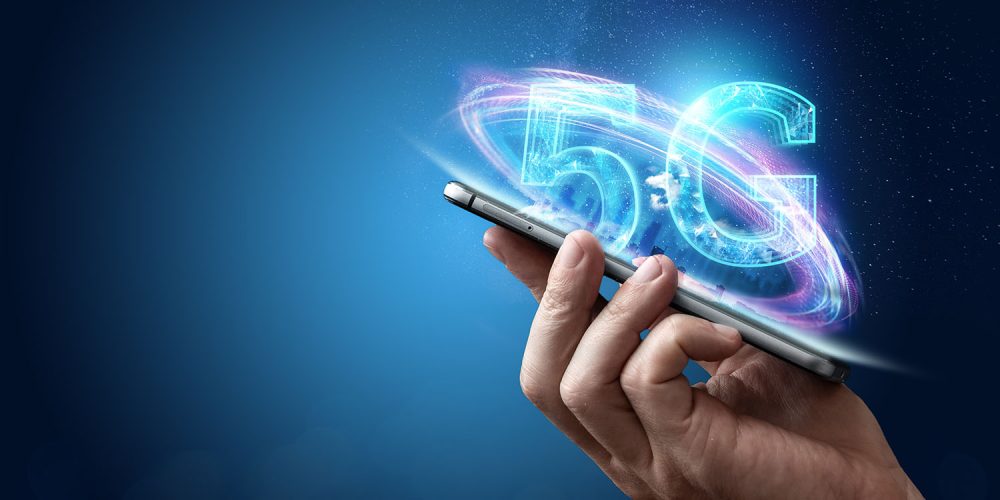
Perhaps most notably of all, all four of the iPhone 12 models introduced this year are expected to feature 5G connectivity. Despite some initial reports to the contrary, all four are expected to include support for both versions of 5G: sub-6 GHz 5G and mmWave 5G.
Different carriers around the world are rolling out sub-6GHz and mmWave networks in different deployments and on different timelines. mmWave is the technology with more impressive gigabit-like speeds, but its range is much smaller. In comparison, sub-6GHz 5G rollouts in the United States typically achieve speeds in the 100-150 Mbps range.
All four of the models will reportedly feature support for both variations of 5G, which will be useful not only for users in the United States but also around the world, where 5G rollouts are different.
While Apple is in the process of developing its own in-house modems for iPhone, the iPhone 12 is likely to feature modems from Qualcomm.
What’s important to keep in mind, however, is that Apple supporting 5G is only half the story: it also needs to be available from carriers. Although the early rollout of mmWave 5G is underway, the extremely limited range means broader rollouts beyond major cities and high-density locations are farther away. If carriers botch the 5G rollout, then it won’t be nearly as notable for the iPhone 12 to have support.
iOS 14 + iPhone 12
The iPhone 12 is expected to be the first iPhone to ship with iOS 14 out of the box. Apple officially announced iOS 14 at WWDC 2020 this year, revealing new features such as widgets on the home screen, picture in picture, and more.
iOS 14 also adds a new App Library view for organizing all of your apps. Apps are automatically organized in the App Library, and you don’t have to keep all of the icons on your actual home screen view. iOS 14 also includes a new Translate application, which offers a complete translator that works with text and voice.
Other changes in iOS 14 include a redesigned Siri interface that doesn’t overtake the entire screen, as well as a new interface for incoming calls that also doesn’t take up the entire screen. You can see all of the new iOS 14 features in action right here.
iPhone 12 accessories
In addition to the many changes coming to the iPhone 12 itself this year, Apple is also rumored to be changing the accessories that are included in the box. According to reliable Apple analyst Ming-Chi Kuo, Apple will not include the wired EarPods or the wall charging brick with the iPhone 12 this year.
For Apple, there are several benefits to this change. First off, removing the in-box charging brick and headphones will dramatically shrink the packaging size and thereby shipping costs. Kuo also suggests that it will help Apple offset the cost of the more expensive 5G components in this year’s iPhone 12. Finally, there are environmental benefits since many people simply don’t need any additional wall bricks.
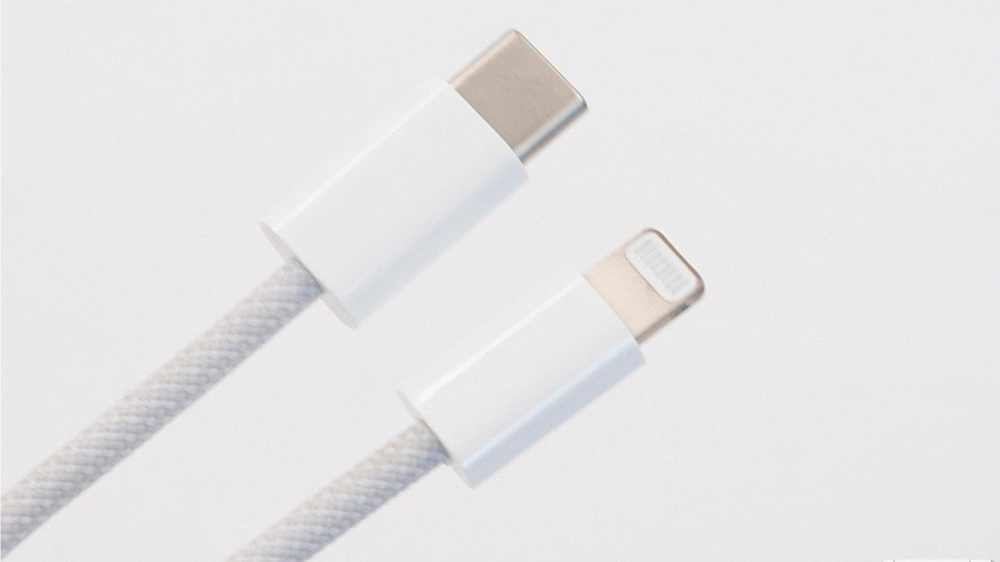
On the flip side, perhaps to help make up for the lack of earbuds and the wall brick, Apple will reportedly include a higher-end Lightning cable in the box with the iPhone 12. A rumor suggests that the iPhone 12 will come with a new braided Lightning to USB-C cable in the box. This cable would be more durable than the classic Lightning cable, and it would mean that even the non-Pro iPhone 12 models would include a USB-C cable.
iPhone 12: Naming, pricing, and release
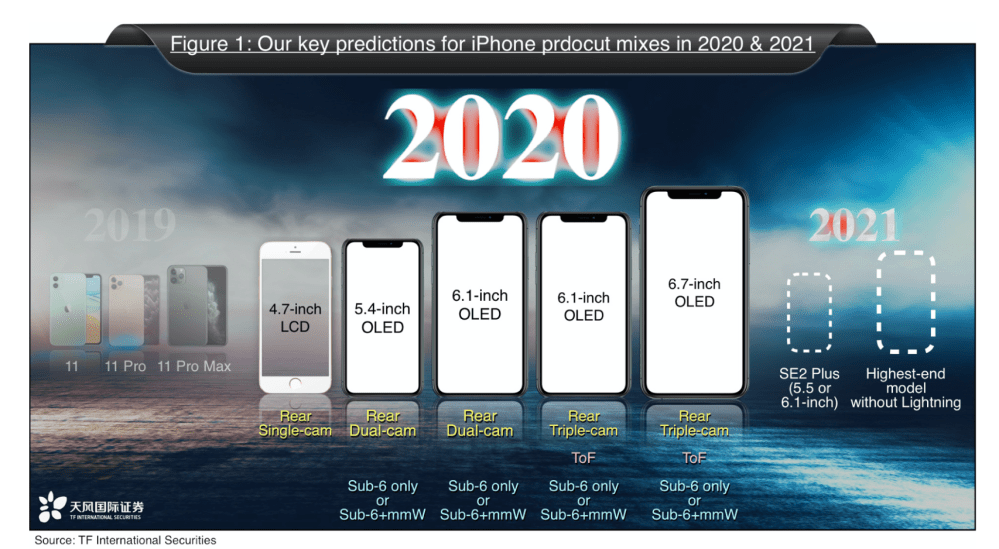
Ming-Chi Kuo’s prediction graphic for the 2020 iPhones
All current evidence points to this year’s iPhone being called the iPhone 12. This makes sense given the expected redesign, which makes it unlikely that Apple will make 2020 an “S” year for iPhone upgrades. How exactly Apple plans to brand each of the four iPhone 12 models, however, is unknown.
Much like naming, pricing of unreleased iPhone models is incredibly hard to predict. Apple set a precedent in 2019 by dropping the entry-level iPhone 11 price to $699, but whether or not that continues remains to be seen.
And last but not least, there are conflicting reports about when to expect the iPhone 12 lineup to be released. The COVID-19 pandemic has caused delays in the development process for Apple, and the company is said to be “scrambling” to prevent pushing back release dates. Apple is also reportedly concerned about potential economic uncertainty, and that there might not be enough demand for high-end iPhones this fall.
Flagship iPhone models usually launch around September, with some models shipping in October, such as the iPhone XR, and the iPhone X in November. This year, Bloomberg says to expect some of the models to be released several weeks later than the usual September target, but details are unknown. This seemingly means that, as of right now, we can still expect the iPhone 12 in 2020, but just later than usual.
What do you think of the rumors we’ve seen so far about this year’s iPhone lineup? What do you think we can expect in terms of naming and pricing? Let us know down in the comments!

FT : EU leaders remain deadlocked on recovery fund in protracted summit

EU leaders remain deadlocked on recovery fund in protracted summit
Third day of talks make slow progress as bloc continues to haggle over size and conditions of €750bn recovery plan

EU leaders spent a third day locked in marathon summit talks over Europe’s proposed €750bn response to the coronavirus pandemic on Sunday, as they battled to overcome gulfs that have split north and south, and east and west.

The protracted summit in Brussels, which began on Friday morning, has laid bare deep differences over the size, design and conditions attached to a planned multibillion-euro package of loans and grants designed to revive Europe’s economy after months of hibernation.

The divisions pit a group of richer “frugal” member states — Austria, Sweden, Denmark and the Netherlands — against the likely biggest recipients of EU pandemic emergency funds. But leaders also clashed over how to police countries’ respect for the rule of law, with Hungary’s Viktor Orban facing off against western leaders over proposals to hardwire respect for fundamental rights into the recovery plan.

The proposals on the summit table are the fruit of months of work by Brussels to craft an effective response, but they take the EU into the uncharted territory of allowing the union to borrow massively on the financial markets. The marathon summit talks also encompass the bloc’s next long-term budget, forcing leaders to confront longstanding divisions over EU economic policy.

Leaders shuffled between a succession of small-group meetings in Brussels’ Europa building all through Sunday, repeatedly delaying the moment when they would all return together to the summit table as they sought to overcome sticking points.

Frugal capitals demanded drastic cuts to a €750bn package as their price for signing up to a final compromise, while Spain, Italy and others pushed back against a watering down of Europe’s response to the biggest economic crisis in its history.

“Leaders are working very hard to bridge the differences, which are still there,” said one diplomat. “It might take a while.”

At the centre of the debate is the level of non-repayable grants that the new recovery fund can dish out. Frugal leaders proposed on Sunday that the amount should be cut to around €350bn. This would be a far cry from the €500bn originally proposed by the commission, as well as in a Franco-German proposal tabled in May. Some diplomats predicted that a final compromise would have to be higher than this, as countries hit hardest by the crisis continued to push for a number above €400bn.

At the start of Sunday’s talks, Germany’s Angela Merkel told reporters she was uncertain “whether a solution will be found”, adding: “There is a lot of goodwill but there are also a lot of different positions,” she said. “I will do my part in this. But it is also possible that there will be no result today.”

The previous night, Ms Merkel and Mr Macron had been left visibly frustrated by the demands for lower grants and curtailed a meeting with frugal leaders. “They were not happy with the frugals’ demands on the size of cuts,” said one diplomat. 

In parallel, Dutch prime minister Mark Rutte’s insistence on having the right unilaterally to veto grant payments to stricken countries if they do not meet reform demands also continued to spark resistance from Italy. Both sides were on Sunday locked in compromise talks.

Both Madrid and Rome have said they cannot accept plans on the table — crafted by Brussels to assuage Mr Rutte — that would give finance ministers the final say on whether a nation deserved to keep receiving its tranches of recovery aid.

Italy’s prime minister Giuseppe Conte said his country was “sharply confronting” frugal capitals in order to rescue a sizeable recovery package. “[Our] tools must be proportionate to the crisis and effective. Our answer must be prompt, solid, robust,” Mr Conte said during a break.

Mr Orban also emerged as a roadblock to a deal when he threatened to veto a compromise that tied distribution of aid to respect for the rule of law. Budapest demanded that any potential sanctions to suspend cash payments could only be done with the unanimous support of all governments — in effect handing one country a veto.

Speaking to journalists on Sunday, Mr Orban accused Mr Rutte of hating him and Hungary, and seeking to financially punish the country for failing to respect the rule of law, adding this was “not acceptable”.

A deal “will not be built on sacrificing Europe’s ambition,” France’s Emmanuel Macron said on Sunday. “Not out of principle, but because we are facing an unprecedented health, economic and social crisis, because our countries need it, and because the unity of Europe needs it.”

Mr Orban’s stance on the rule of law mechanism was backed by Poland, which joined Hungary in rejecting a draft plan that would require a qualified majority of member states to back potential cash sanctions.

Western governments, including the frugals and France, have called for a stringent system under which money would be withheld for governments who breach the EU’s fundamental rights. One diplomat said Hungary and Poland’s stance was designed to extract more money as part of a final compromise.

Non-frugal leaders emphasised their desire to reach a deal, but warned that it could not come at the expense of whittling down Europe’s economic response to Covid-19.

Mr Macron’s stance was echoed by other leaders including Greek prime minister Kyriakos Mitsotakis, who said: “We simply cannot afford to either appear divided or weak.”

Diplomats said Charles Michel, European Council president, would need to table a fresh compromise addressing the outstanding issues on Sunday, or risk failure in the first face-to-face summit of EU leaders in five months.

Mr Michel on Saturday sought to re-energise the talks by tabling a compromise that trimmed €50bn off the total amount of grants to be doled out.

Mr Michel’s compromise kept the overall size of the EU’s borrowing plan at €750bn, but shifted the balance between loans and grants. Cuts to the overall volume were done by scrapping a proposed recapitalisation tool for struggling companies worth €26bn and trimming an initiative to stimulate private investment from €30bn to €11bn.

>>> Weekend Papers Summary


This year is shaping up to be a busy one for the iPhone. Apple is rumored to be preparing a new low-cost iPhone, referred to as the 2020 iPhone SE, as well as four different iPhone 12 variants set for release in the fall. Read on as we round up all of the specs, features, and design details that we know about the iPhone 12 so far.

Update 4/14/2020: We’ve updated this roundup with new details on the iPhone 12 lineup, including design details, processor information, the LiDAR Scanner, and the potential for delays caused by COVID-19.
Update 6/19/2020: We’ve updated this roundup with new details on the iPhone 12 accessories, release date rumors, dummy units, and much more.

iPhone 12 design
If you find yourself longing for the days of the iPhone 4, 2020 might be the year for you. We expect the iPhone 12 to mark the return to slab-sided design, with reports suggesting that the device will heavily resemble the iPhone 4. Reliable Apple analyst Ming-Chi Kuo has said this will come as part of a significant chassis redesign for the iPhone 12.
Kuo believes that the iPhone 12 will still feature curved glass edges around the display, like the iPhone 11. The analyst has referenced 2/2.5D glass in his various reporting on the 2020 iPhone lineup. Currently, the iPhone 11 Pro features a blended design between the glass of the display and the stainless steel edges. This differs from the iPhone 4, which was completely squared-off around the sides.
A supply chain report has also suggested that the iPhone 12 lineup will be thinner than the iPhone 11, with the largest iPhone 12 model coming in at 7.4mm thick. That’s around 10% thinner than the 8.1mm iPhone 11 Pro Max. Whether or not the rest of the iPhone 12 lineup will be slimmer remains to be seen.
Apple’s return to a boxier industrial design theme with the iPhone 4 makes sense when you consider the design of the iPad Pro. In 2018, Apple redesigned the iPad Pro with a flat-sided body. This redesign has been very well-received by users, so it’s not surprising to see it inspire the iPhone 12.
Here’s a look at what the iPhone 12 might look like in dummy form:
As you can see, in those dummy units, the front-side of the iPhone 12 is expected to look nearly identical to the iPhone 11. There is, however, expected to be one change: a smaller notch. While Apple isn’t expected to remove the notch altogether, reports from Bloomberg and other sources have indicated that Apple will reduce the notch size this year.
But while Apple is planning four new iPhone 12 models for 2020, a report from Bloomberg has suggested that the new flat-edged design might only come to the iPhone 12 Pro models at the high-end. Again, this would make sense given what we’ve seen in the iPad lineup: the low-cost iPad has gone largely unchanged, while the iPad Pro features the latest and greatest design.
YouTuber MKBHD has also offered one of the clearest looks yet at the iPhone 12 design, going hands-on with all three different sizes. MKBHD also simulated what iOS 14 will look like on the new iPhone 12 design, and showcased how the design is similar to the iPhone 4.
While we have a general idea of what the iPhone 12 will look like, additional rumors will likely shed more light on additional details as the fall release approaches.
Display
For the first time ever, the entirety of Apple’s flagship iPhone lineup will sport OLED display technology this year. All four iPhone 12 models are expected to feature OLED screens, including the successor to the LCD-equipped iPhone 11.
What about display sizing? Reports suggest that Apple will shift the lineup slightly this year compared to the iPhone 11. Here’s what we know so far:
  • One iPhone 12 model with a 5.4-inch OLED display
  • Two iPhone 12 models with a 6.1-inch OLED displays
  • One iPhone 12 model with a 6.7-inch OLED display
This means the iPhone 12 collection will include the smallest iPhone to ever feature the edge-to-edge display introduced with the iPhone 12, as well as the largest iPhone ever. Reports say that the 5.4-inch iPhone 12 model will have a height that is “midway between the iPhone SE and iPhone 8,” while the 6.1-inch version will be midway between the iPhone 11 Pro and iPhone 11 Pro Max. The 6.7-inch iPhone 12 will be “slightly taller than the iPhone 11 Pro Max.”
Other than OLED, this year’s iPhones are also rumored to feature 120Hz high refresh rate “ProMotion” displays. iPhones to date have included 60Hz displays, but Apple introduced 120Hz refresh rates to the iPad lineup in 2017. The refresh rate doubling dramatically improves the responsiveness of the user experience with gestures more quickly being translated into on-screen motion.
All in all, this may sound confusing, but the gist is: one smaller iPhone 12, two iPhone 12 models the same size as the iPhone 11, and one larger.
iPhone 12 camera
Other than screen size, the biggest differentiator between the iPhone 12 models will be camera technology. Essentially, Apple is planning two iPhones with dual-lens camera systems and two iPhones with triple-lens camera systems.
The 5.4-inch iPhone 12 will feature two cameras on the back. This will likely consist of ultra-wide and wide-angle lenses. The same setup is expected on the lower-end 6.1-inch iPhone 12.
Things get a bit more interesting with the two high-end iPhone 12 models. Here, we expect a triple-lens camera system that is likely similar to the iPhone 11 Pro: wide, ultra-wide, and telephoto. But, these two iPhone models are also expected to feature a new time-of-flight 3D sensor.
What does this mean? A time-of-flight (ToF) sensor is similar to the infrared TrueDepth camera system used on the front-side of iPhones for Face ID. Adding a ToF 3D-sensing system to the back camera would enable higher-fidelity 3D photo captures, potentially opening up new augmented reality opportunities. The ToF sensor would also be more powerful and work at longer distances than the TrueDepth system due to its laser-powered technology.
In addition to augmented reality features, this ToF sensor could also improve things that rely on depth data, such as Portrait mode. Findings within iOS 14 by 9to5Mac have also confirmed that only the iPhone 12 Pro will add the new ToF sensor.
This all makes a lot of sense when you look at the 2020 iPad Pro refresh, which brought a new LiDAR Scanner for the first time. The LiDAR Scanner focuses on improvements to AR capabilities. 9to5Mac has exclusively reported that Apple itself is developing a new augmented reality app for iOS 14 that could integrate with retail stores.
One of the biggest benefits for the iPhone 12 Pro’s LiDAR Scanner, however, will be that developers are better prepared to take advantage of it given the iPad Pro’s existing availability. A leaked image also recently provided a look at how Apple might redesign the camera bump to accommodate the new LiDAR Scanner.
In terms of software, the iPhone 12 models are expected to feature everything currently available on the iPhone 11, including Deep Fusion and Night mode. It also possible that Apple has more software image processing features planned for this year, especially to take advantage of the new ToF technology.
What about the front camera? We don’t know much yet, but there is certainly room for improvement from the iPhone 11. We’ll update when we learn more about the iPhone 12’s front-facing camera.
Power
The iPhone 12 lineup is expected to feature the next iteration of Apple’s A-series processors, presumably called the A14.
According to a recent supply chain report, Apple’s partner TSMC is on schedule to start the production of the A14 processor using a new 5 nanometer process in Q2. The A13 was produced with a 7nm processor, so the A14 should be more power-efficient and faster, thanks to the 5nm process.
What kind of performance should you expect? Early estimates suggest that, when combined with the rumored 6GB of RAM, the A14 could make the iPhone 12 as powerful as the 15-inch MacBook Pro. Game performance could be boosted by upwards of 50% thanks to a special emphasis on multi-core performance.
These improvements are due mainly to the 5nm manufacturing process. You can read more details on the A14’s expected performance here.
Outside of the new A14 processor, the iPhone 12 could feature improved Face ID performance as well. Analysts from Barclays say that iPhone 12 lineup will include a “refreshed” Face ID system. What exactly the analysts mean by “refreshed” is unclear, but it could imply that Apple will upgrade the TrueDepth camera system used for Face ID with improved performance and other enhancements.
The iPhone 11 featured improved Face ID performance as well, but that was primarily due to changes in iOS 13 rather than hardware upgrades. This year, it looks like we might be in store for actual hardware improvements to boost Face ID recognition.
Connectivity
Perhaps most notably of all, all four of the iPhone 12 models introduced this year are expected to feature 5G connectivity. Despite some initial reports to the contrary, all four are expected to include support for both versions of 5G: sub-6 GHz 5G and mmWave 5G.
Different carriers around the world are rolling out sub-6GHz and mmWave networks in different deployments and on different timelines. mmWave is the technology with more impressive gigabit-like speeds, but its range is much smaller. In comparison, sub-6GHz 5G rollouts in the United States typically achieve speeds in the 100-150 Mbps range.
All four of the models will reportedly feature support for both variations of 5G, which will be useful not only for users in the United States but also around the world, where 5G rollouts are different.
While Apple is in the process of developing its own in-house modems for iPhone, the iPhone 12 is likely to feature modems from Qualcomm.
What’s important to keep in mind, however, is that Apple supporting 5G is only half the story: it also needs to be available from carriers. Although the early rollout of mmWave 5G is underway, the extremely limited range means broader rollouts beyond major cities and high-density locations are farther away. If carriers botch the 5G rollout, then it won’t be nearly as notable for the iPhone 12 to have support.
iOS 14 + iPhone 12
The iPhone 12 is expected to be the first iPhone to ship with iOS 14 out of the box. Apple officially announced iOS 14 at WWDC 2020 this year, revealing new features such as widgets on the home screen, picture in picture, and more.
iOS 14 also adds a new App Library view for organizing all of your apps. Apps are automatically organized in the App Library, and you don’t have to keep all of the icons on your actual home screen view. iOS 14 also includes a new Translate application, which offers a complete translator that works with text and voice.
Other changes in iOS 14 include a redesigned Siri interface that doesn’t overtake the entire screen, as well as a new interface for incoming calls that also doesn’t take up the entire screen. You can see all of the new iOS 14 features in action right here.
iPhone 12 accessories
In addition to the many changes coming to the iPhone 12 itself this year, Apple is also rumored to be changing the accessories that are included in the box. According to reliable Apple analyst Ming-Chi Kuo, Apple will not include the wired EarPods or the wall charging brick with the iPhone 12 this year.
For Apple, there are several benefits to this change. First off, removing the in-box charging brick and headphones will dramatically shrink the packaging size and thereby shipping costs. Kuo also suggests that it will help Apple offset the cost of the more expensive 5G components in this year’s iPhone 12. Finally, there are environmental benefits since many people simply don’t need any additional wall bricks.
On the flip side, perhaps to help make up for the lack of earbuds and the wall brick, Apple will reportedly include a higher-end Lightning cable in the box with the iPhone 12. A rumor suggests that the iPhone 12 will come with a new braided Lightning to USB-C cable in the box. This cable would be more durable than the classic Lightning cable, and it would mean that even the non-Pro iPhone 12 models would include a USB-C cable.
iPhone 12: Naming, pricing, and release
Ming-Chi Kuo’s prediction graphic for the 2020 iPhones
All current evidence points to this year’s iPhone being called the iPhone 12. This makes sense given the expected redesign, which makes it unlikely that Apple will make 2020 an “S” year for iPhone upgrades. How exactly Apple plans to brand each of the four iPhone 12 models, however, is unknown.
Much like naming, pricing of unreleased iPhone models is incredibly hard to predict. Apple set a precedent in 2019 by dropping the entry-level iPhone 11 price to $699, but whether or not that continues remains to be seen.
And last but not least, there are conflicting reports about when to expect the iPhone 12 lineup to be released. The COVID-19 pandemic has caused delays in the development process for Apple, and the company is said to be “scrambling” to prevent pushing back release dates. Apple is also reportedly concerned about potential economic uncertainty, and that there might not be enough demand for high-end iPhones this fall.
Flagship iPhone models usually launch around September, with some models shipping in October, such as the iPhone XR, and the iPhone X in November. This year, Bloomberg says to expect some of the models to be released several weeks later than the usual September target, but details are unknown. This seemingly means that, as of right now, we can still expect the iPhone 12 in 2020, but just later than usual.
What do you think of the rumors we’ve seen so far about this year’s iPhone lineup? What do you think we can expect in terms of naming and pricing? Let us know down in the comments!

>>> Weekend Papers Summary

NEW YORK TIMES
Saturday
• In Portland, Oregon, Federal agents dressed in camouflage and tactical gear are unleashing tear gas, bloodying protesters, and pulling some people into unmarked vans in what governor Kate Brown of Oregon has called “a blatant abuse of power.”
• As the Democratic party prepares to gather at a convention site in Milwaukee on August 17, officials expect the event to include as few as 300 people, a number that includes attendees, members of the news media, security personnel, medical consultants, and party workers.
• In interviews with the Times, several people involved in the events that took down TWTR gave the first account of what happened, saying the hacking attack began as a pursuit of Bitcoin that eventually spun out of control.
• Supreme Court justice Ruth Bader Ginsburg has had a recurrence of cancer, but is undergoing chemotherapy and plans to remain on the bench—though Democrats are growing increasingly concerned about what would happen if she died or resigned before the election.
• New York City will enter a limited fourth phase of reopening on Monday, allowing some art and entertainment venues, such as zoos and botanical gardens, to open for outdoor activities at a limited capacity, while gyms, movie theaters, and museums remain closed.
• UK prime minister Boris Johnson said he expects to see a “significant return to normality” by the end of the year as he announced a road map for reopening England and granted local authorities extended powers to tackle regional outbreaks.
• Responding to soaring coronavirus infections and growing concern from teachers, governor Gavin Newsom of California announced new rules on Friday that would force many of the state’s districts to teach remotely when school starts next month.
• A high-profile group of elected Republicans that are part of the traditional GOP establishment, such as Maryland governor Larry Hogan, has emerged as a kind of shadow conscience of the party during the Trump administration, to which they provide a counterweight.
• American households had more debt than ever when the pandemic sent unemployment soaring this spring, but bankruptcy statistics have yet to reflect the struggle to manage that debt, and personal bankruptcy filings are in sharp decline.
• Treasury secretary Steven Mnuchin called on Congress and the Trump administration to pass additional stimulus legislation by the end of the month as the pandemic continues to inject uncertainty into how quickly the economy will recover.

Sunday
• “The roots of the nation’s current inability to control the pandemic can be traced to mid-April, when the White House embraced overly rosy projections to proclaim victory and move on,” the result of Trump’s decision to abandon a leadership role.
• Democratic representative John Lewis, a son of sharecroppers and an apostle of nonviolence who was bloodied at Selma and across the Jim Crow South in the historic struggle for racial equality, and who then carried a mantle of moral authority into Congress, died on Friday at 80.
• As researchers come closer to developing a coronavirus vaccine, public health experts say persuading people to actually get the shot may prove difficult at a time when many—especially African Americans, who have been hard-hit by Covid-19—have little trust in the Trump administration or the FDA.
• With UK hospitals suspending normal services in favor of coronavirus cases, nearly four million people on the National Health Service waiting list for routine hospital treatments face deteriorating health conditions, and many say the government has offered little clarity on the situation.
• A large new study from South Korea found that children younger than 10 transmit the coronavirus to others much less often than adults do, but the risk is not zero—and those between the ages of 10 and 19 can spread the virus at least as well as adults do.
• The Trump administration has balked at providing billions of dollars for coronavirus testing and to shore up federal health agencies as the virus surges, complicating efforts to reach agreement on the next round of pandemic aid and angering Republicans who support the funding.
• So-called end-of-life companies such as Cake and Lantern that help clients plan funerals, dispose of remains, and process grief saw steady but moderate growth before the pandemic, but have been experiencing a boom this year as “death planning” becomes more popular.

WALL STREET JOURNAL
Weekend
• Front page story reports “The Pentagon has presented the White House with options to reduce the American military presence in South Korea as the two countries remain at odds over Trump’s demand that Seoul greatly increase how much it pays for the US troops stationed in the country.”
• Officials in some states are preparing for more remote instruction in the coming school year as coronavirus infections continue to rise, even as measures in some states aimed at slowing the pandemic face political resistance.
• For the second time in less than a year, a study of common sunscreen ingredients found that the chemicals are absorbed into the bloodstream at concentrations far greater than the FDA’s safety threshold.
• A federal court ordered the DACA, or “Dreamers,” program for undocumented immigrants brought to the US as children to be restored to the way it operated before the Trump administration tried to cancel it in September 2017.
• Defense Secretary Mark Esper issued a memo that effectively banned troops from flying the Confederate flag, bypassing Trump’s objection to an outright ban, saying the move would further improve the morale, cohesion, and readiness’ of the armed forces.
• +/- CVS: As coronavirus cases surge across the US, wait times for many people tested by the pharmacy chain are stretching longer than they were told to expect, prompting consumer complaints that it’s taking 10 days or more to get results.
• “Population growth in liberal-leaning cities, diversifying suburbs and growing support for protests against racial injustice in several Southern states have Democrats hopeful they can improve on their 2016 performance there.”
• + MMM, HON, Prestige Ameritech: Companies are among those ramping up production of N95 face masks in the US after the coronavirus pandemic unraveled global supply chains, seeking a way to guarantee a supply of the protective gear for American hospitals for many years to come.
• +/- GE: Story reports on what went wrong when the company under former chief executive Jeffrey Immelt attempted to remake itself as a software powerhouse in order to prepare for a digital future, noting that cost cuts, employee confusion, and poor planning undermined the idea.
• Chinese financial regulators took over nine financial institutions they said broke rules and added risk to a financial system facing increasing headwinds from the coronavirus pandemic.
• H.O.T.S.: Billionaires seeking bank loans are increasingly putting up their art collections as collateral; Chinese productivity will suffer from the country’s overinvestment in housing, even if the mania never ends in a 2008-style crash; Washington’s war on Huawei should eventually help the Chinese giant’s leading Western rival, ERIC—but for now, Ericsson remains dependent on China, not the US.

FINANCIAL TIMES
Weekend
• “Dutch demands for a veto over how Europe distributes a proposed €750B of post-pandemic recovery funding were blocking a deal as leaders held crunch talks yesterday in their first face-to-face summit for five months.”
• The Trump administration is considering putting Chinese company Bytedance’s TikTok app on a blacklist that would effectively prevent Americans from using it, a move to prevent China from obtaining personal data via the social media platform.
• Experts say European Commission head Margrethe Vestager faces hard choices after a European court quashed her order for AAPL to pay back €14.3B in taxes to Ireland, a situation that dents her reputation as a global consumer champion.
• The Frankfurt Book Fair, which dates back to the invention of the printing press 500 years ago, will hold its annual event this year in a virtual format, without the participation of many of the biggest publishing houses.
• Kirill Dmitriev, the head of Russia’s sovereign wealth fund, said the country and some other state powers will have developed a viable Covid-19 vaccine by the new year, and warned that if geopolitical faultlines keep people from the best vaccine, the pandemic will continue to spread.
• Big Read piece says that Trump’s regular claims that opponents are exaggerating the severity of the pandemic has given southern states license to focus on their economies rather than public health, with dire results that are becoming clear.
• Lex Column: NFLX’s financial results “offer a window into the sort of mature company the streaming giant might eventually resemble”; With shares now trading at around the same level they were in 2014, pet food has become the dog in SJM’s portfolios; The future of 5G is far from assured—it has become a political fight, and there is scant commercial appeal.
• Comment: “Beijing’s China First policies require a firm, principled European response,” says Constanze Stelzenmüller. “Germany, like the UK, is no more than a middle power, but Europe has real leverage if it is united.”

NEW YORK POST
Saturday
+/- Comcast: NBCUniversal is about to let go of staff to offset the losses brought about by the coronavirus pandemic, though the scale of the layoffs has yet to be determined.
• BLK chief Larry Fink said ending the coronavirus pandemic will be the best way to spark a recovery—and as such he is calling on people to wear masks to halt the spread of the virus.
Sunday
• Trump called Dr. Anthony Fauci, the nation’s top infectious disease expert and White House coronavirus task force, a “bit of an alarmist” and said some doctors have made mistakes during the handling of the virus, which has now killed more than 142,000 Americans.
• Real estate firm Horizon Group Properties inked a deal with e-sports analytics company Harena Data to develop e-sports arenas and drive-in movie theaters in four major US cities, where fans would be able to watch video-game tournaments and compete in events from the safety of their cars.

FT : Emirates Reit considers delisting as regulator investigates its manager

Emirates Reit considers delisting as regulator investigates its manager
Dubai-based real estate investment trust hit by worsening property downturn

Emirates REIT, a Dubai-based real estate investment trust, is considering delisting amid the worsening property downturn as the emirate’s financial regulator opened an investigation into the reit’s manager.

The Dubai Financial Services Authority, regulator of the Gulf business hub’s international financial centre, said on Sunday that it began a probe into the manager, Equitativa Dubai, in late May. “If we find evidence of misconduct or wrong-doing, we will take appropriate action,” it said in a statement.

Equitativa Dubai, which has denied any wrongdoing, intends to co-operate with the investigation, which it said related to rules such as valuations and corporate governance.

The reit’s board said on Sunday it was considering delisting from Nasdaq Dubai as part of a “comprehensive review of strategic options”.

The statement blamed a downturn in United Arab Emirates equity markets and weakness in Dubai’s real estate sector for the “unjustifiably large gap” between the share price and the value of the sharia-compliant fund. Its shares are down 73 per cent this year.

“A delisting from Nasdaq Dubai would allow Equitativa to work on closing the gap that currently exists between Emirates REIT’s share price and net asset value,” it said. The fund’s manager has also previously reported irregular trading by market participants that it said could have contributed to its low share price.

Dubai’s commercial real estate sector is down about a third since the oil price crash of 2014 triggered a regional slowdown in demand. The impact of the coronavirus pandemic on the trade and tourism-focused emirate is expected to heap more pressure on occupancy as firms cut staff and downsize office space.

Emirates REIT manages a portfolio of 11 commercial properties across Dubai, including offices, schools and retail, valued at Dh3.6bn ($980m).

The DFSA’s probe comes amid increasing scrutiny of the UAE’s reputation for financial probity after a spate of scandals, including the collapse of Dubai-based private equity firm Abraaj and the alleged fraud at Abu Dhabi-based healthcare group NMC, among others.

Some shareholders have become increasingly vocal about their concerns over Emirates REIT’s poor performance and claims of high management fees.

A local news report, citing a letter from disgruntled shareholders, earlier this month, alleged that the reit’s management had misrepresented asset values. The shareholders called on the DFSA to launch an investigation, including an analysis of the manager’s valuations of investment properties and operating expenses, the report said.

Responding to the article, Emirates REIT described the “rumour” that it had breached its fiduciary duties as “wholly unsubstantiated”. It also said real estate consultancies CBRE and Asteco independently value its assets, which are also audited by Deloitte.

FT : European intervention on Wirecard is welcome

European intervention on Wirecard is welcome
Accounting scandal highlights deep flaws in national supervision

The Wirecard scandal is another sorry example of regulatory failure in Europe. The decision of an EU financial watchdog, the European Securities and Markets Authority, to launch a fast-track investigation into Germany’s supervision of the collapsed payments group is therefore to be praised. The response to events leading up to Wirecard’s insolvency by both BaFin, Germany’s financial regulator, and FREP, the under-resourced private-sector body that monitors German companies’ accounts, was lacking in the extreme. So eager seemed the German authorities to champion the once high-flying payments firm that officials failed to follow up effectively on numerous media and analyst reports about suspected fraud. Not only that, but BaFin investigated short-sellers and two Financial Times journalists who had raised the alarm.

German officials are far from the only ones in the single currency area to find themselves caught out by a financial scandal. Cases of money laundering have dented the reputation of states on the region’s periphery, while Italy’s banking system was for years subject to overly lax regulation. Nor is supine supervision a problem unique to the eurozone. In the run-up to the global financial crisis, the UK’s Financial Services Authority saw its duty as not only to supervise, but also to promote the interests of the City of London. The German establishment, including its financial regulators, appeared desperate to rally round Wirecard until the very last minute, blind to all the red flags. A clear general lesson is it is impossible to serve as both cheerleader and watchdog at the same time.

The solution in the UK was to bring regulation back within the ambit of the Bank of England. Housing the most important parts of a country’s financial supervision under one roof encourages joined-up thinking. Yet this alone is insufficient. What the Wirecard story highlights is that as finance evolves away from a bank-centric model towards fintech and shadow banks, watchdogs need to switch to system-wide supervision. One of the flaws in Germany’s multipolar approach is that it enabled BaFin to pass the buck. The regulator said it was not fully responsible for supervising the bulk of Wirecard’s activities as it was a technology company and not primarily a bank.

While senior finance ministry officials have acknowledged “radical solutions” are needed, the mooted fix of handing BaFin power to launch investigations into companies’ financial reporting is underwhelming given the regulator’s own mis-steps. The apparent unwillingness by Berlin to consider more radical reform is a worrying indicator that the establishment has failed to fully grasp that the case says much about the failings of Germany Inc. One option would be to shift financial regulation fully to the Bundesbank, Germany’s central bank. One of the advantages is that its headquarters are in Frankfurt — Germany’s financial centre — and not in Bonn, the former capital where BaFin is based. Yet unlike the Bank of England the Bundesbank has never held sole responsibility for keeping finance in check.

A better fix still would be to hand more power to the EU. As with money laundering, payments system scandals are often cross-border in nature. And most would admit that handing the reins for supervising the region’s largest and most complex lenders to the European Central Bank has led to a vast improvement to what went before. It would be naive to view any system of financial supervision as impenetrable, but cutting national ties ought to help create a fairer and safer system of oversight.

WSJ : Brooks Brothers’ Latest Suitor Wants to Bring Italian Flair to American Fa

Brooks Brothers’ Latest Suitor Wants to Bring Italian Flair to American Fashion
Group of investors plans to close stores, boost bankrupt brand’s online presence

The race to buy Brooks Brothers out of bankruptcy is about to get a little more crowded with a group of Italian investors planning to bid for the quintessential American clothing brand and introduce some European flair.

Milan-based Giglio Group GG 0.75% SpA, which helps fashion companies improve online sales, is spearheading the group of investors. If successful, Giglio plans to install Italian managers with fashion-industry experience and close stores to free up funds to invest in digital. Brooks Brothers’ three U.S. factories, which are slated to close next month, would remain open and overseas production would be consolidated in Italy.

“We want a fusion of the American DNA that defines Brooks Brothers with the Italian experience and know-how that we can add,” Giglio Chief Executive Alessandro Giglio said in an interview.

Brooks Brothers, which is currently owned by Italian businessman Claudio Del Vecchio, collapsed under the weight of the coronavirus pandemic that dealt a knockout blow to a company already suffering from a general shift in tastes away from formal apparel. After two centuries in business, with a raft of illustrious clients including several former U.S. presidents, Brooks Brothers filed for bankruptcy on July 8.

Interested bidders include Sparc Group LLC, an apparel company backed by Authentic Brands Group LLC, which is providing financing to Brooks Brothers to get it through the bankruptcy, and WHP Global Inc., according to people familiar with the situation.

“It’s going to be a tough fight, but I like our chances,” Mr. Giglio said. “We normally help brands rather than buy them, but the opportunity to remake an iconic brand like Brooks Brothers from zero was too appealing to pass up.”

Giglio and other suitors need to submit formal bids by Aug. 5. A spokeswoman for Brooks Brothers declined to say how many expressions of interest the company has received.

Giglio, which is listed on the Italian stock exchange with a market value of about €49 million ($56 million), builds and manages e-commerce websites for fashion and design companies, and helps increase their revenue by getting the products placed on online marketplaces. Its clients include Armani and other Italian brands such as Max Mara, Colmar and Kartell.

Giglio is flanked by Luciano Donatelli, an Italian fashion-industry consultant who brought the idea of buying Brooks Brothers to Mr. Giglio. Mr. Giglio said other Italian companies were backing the bid, and that Chinese investors also had expressed an interest. While some funding for the deal might come from China, the soul of the group would be Italian, he said.

Mr. Del Vecchio, Brooks Brothers’ current owner, is a low-profile Italian businessman who isn’t particularly well-known in his home country. His father, Leonardo Del Vecchio, is one of the country’s richest people and founded eyeglass company Luxottica, which merged to become the Franco-Italian giant EssilorLuxottica. Mr. Giglio and Mr. Del Vecchio don’t know each other.

Despite Brooks Brothers’ American pedigree, Mr. Giglio said keeping the brand under Italian ownership was critical for his plan to move it upmarket.

Brooks Brothers’ annual revenue, which was $971 million last year, could reach $3 billion in five years with the right investments, Mr. Donatelli said.

While details of the bid by the Giglio-led consortium still need to be defined, a key component will be closing many of Brooks Brothers’ 500 stores—200 of which are in the U.S.—and increasing the brand’s online sales. A Brooks Brothers spokeswoman declined to say what percent of sales is online.

Mr. Giglio said he won’t be able to estimate how many stores would be closed under his group’s plan until he has had more time to study Brooks Brothers’ financial situation.

“With the coronavirus, there was a Copernican revolution, and there is no going back,” said Mr. Giglio. “Stores were the focal point, and e-commerce played a supporting role, but we have to get our head around the fact that it’s now completely flipped. Having a store on Madison Avenue [in New York] and in other large cities around the world isn’t sustainable anymore for most fashion brands.”

In addition to scaling back the number of stores while focusing on e-commerce, Messrs. Giglio and Donatelli want to boost Brooks Brothers’ presence in Asia. They think the brand’s long history could be leveraged in China to increase revenue. They also plan to increase Brooks Brothers’ clothing lines, while developing the accessories business, including footwear.

Law firm Dentons is advising Giglio and its partners on their bid for Brooks Brothers.