(ZH) China Leapfrogs US With World's First 6G Satellite Amid Raging Tech War

China Leapfrogs US With World's First 6G Satellite Amid Raging Tech War


As the US' tech war with China continues to rage, China has leapfrogged the US in satellite telecommunication technology with the successful launch of the world's first sixth-generation satellite into space.
The experimental satellite containing advanced telecommunications technology was launched Friday into low Earth orbit from the Taiyuan Satellite Launch Center in China's northern Shanxi Province, reported Asia Times.
A Long March-6 carrier rocket's payload consisted of the 6G satellite and 13 other satellites. A video of the launch was published on Twiter via the University of Electronic Science and Technology of China.

The satellite, developed jointly by Chengdu Guoxing Aerospace Technology and Beijing MinoSpace Technology, will be used in a pilot testing program to trial 6G technology in space.
According to Yicai Media Group, 6G is more than 100 times faster than 5G - enables seamless transmission, longer distances, faster speeds, and smaller power output from space to land-based communication devices.
6G technology is still in the beginning stages, but Friday's launch appears to show China has moved ahead of the US in space-based testing. Many hurdles are still expected with the technology as testing will start near term.
The launch comes as the US and China are locked in a heated tech war. In 2019, President Trump tweeted the obvious: America must step up its efforts to develop and deploy cutting edge tech or face getting "left behind."

"I want 5G, and even 6G, technology in the United States as soon as possible. It is far more powerful, faster, and smarter than the current standard. American companies must step up their efforts, or get left behind. There is no reason that we should be lagging behind on........."

(ZH) SpaceX Starlink Broadband Beta Testers "Amazed" By Its Speed, As New Photos

SpaceX Starlink Broadband Beta Testers "Amazed" By Its Speed, As New Photos Emerge


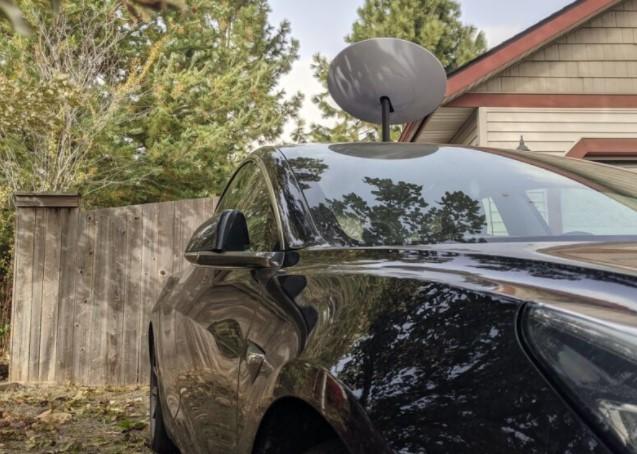
Photos are starting to leak from SpaceX Starlink beta users, who are trying the satellite broadband service in remote areas for the first time. So far, the beta testing appears to be going far better than that of full self driving.
One beta tester shared his experience on Reddit after he brought his Starlink equipment to a remote forest in Idaho. There, he said he was able to achieve 120Mbps download speeds and access the internet at lightning fast speed.
He wrote that the service "works beautifully." He continued: "I did a real-time video call and some tests. My power supply is max 300w, and the drain for the whole system while active was around 116w."

"Starlink pulled that off in a place where [the user] couldn't get any cellular service from Google Fi, which relies on the T-Mobile and US Cellular networks. There is no cell here with any carrier," he said, according to ARS Technica.
The user put the satellite dish on the ground in an open part of forest and did a speed test to confirm his 120Mbps download speeds. He said the results got worse as he moved into more heavily forested locations.
"It didn't work well with a heavy tree canopy/trees directly in the line of sight, as expected. I would be connected only for about 5 seconds at a time. Make sure you have as clear a view of the sky as possible," he said.
He also commented that other beta testers should probably keep the equipment at its registered location for the time being: "All things considered, [it's] probably best to keep [the user terminal] where registered until there is official illumination on the topic. Just knowing mobility is possible, though, is nice."

At his house, he said he got 135Mbps download speeds when the dish was at a ground-level spot with "limited obstruction."
"Given all the obstructions for this connection at the moment, I am amazed at how well it works. Streaming, low-latency video conferencing, and gaming are all completely accessible with this service. Even for the beta, it appears as though they've under-estimated Starlink's capabilities, so I am excited to see it mature."
After unboxing the equipment, he said: "Everything is of an extreme build quality, and this works significantly better than I had ever imagined. It feels like it's from the future. Given a top-tier cell phone costs in the $1,000 range, I am completely amazed I have my hands on a setup like this for ~$500, so I am biased positively towards this service."
As ARS Technica noted, Starlink appears to be "much faster" than traditional satellites:
New speed-test data collected by Ookla and published by PCMag last week found average Starlink download speeds of 79.5Mbps and average upload speeds of 13.8Mbps in October, when the service was in a more limited beta. The same data found average download speeds of 24.75Mbps for Viasat's Exede service and 19.84Mbps for HughesNet, both of which offer service from geostationary satellites. Upload speeds for Viasat and HughesNet were 3.25Mbps and 2.64Mbps, respectively.
The beta costs $99 a month plus an upfront $499 fee for the hardware.

(ZH) Kerry For Climate Chief, Buttigieg For Veterans, Yates For DOJ: An Early Lo

Kerry For Climate Chief, Buttigieg For Veterans, Yates For DOJ: An Early Look At The Biden Cabinet

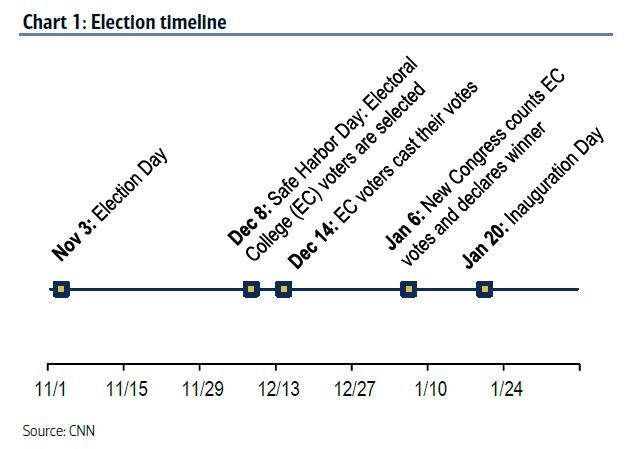
While Trump is still far from conceding the election, whose outcome is called not by the media, but by the Electoral College on Dec 14...
... Joe Biden is already busy forming his cabinet, where he need to draw a fine line between the hard-left progressive in the Democratic party (AOC has already been quite vocal in her criticism of how the Squad has been ignored) and centrist elements. Also, in addition to rolling out such new policies as fighting climate change and aggressively promoting women and minorities, Biden will focus on an economic team that will confront the surging unemployment and business slowdown touched off by the coronavirus pandemic. In total, as he builds out his economic team Biden will need to fill out the nearly two dozen cabinet-level positions in his administration.
Starting at the very top, Bloomberg reports that Biden will look for a Treasury secretary and other key officials "to negotiate with Congress on more stimulus, roll back some of President Donald Trump’s tax cuts and mend relations with U.S. trading partners." Among the contenders that have emerged to fill the top economic-policy job are Fed Governor Lael Brainard for Treasury and economist Heather Boushey as director of the National Economic Council.

Other crucial jobs include naming the secretaries of Defense, State and Homeland Security, together responsible for carrying out administration policy and overseeing a federal bureaucracy with more than 2 million civilian employees.
While Biden will be mindful of the possibility that a Republican-controlled Senate would almost certainly scuttle nominees for top posts who belong to the progressive wing of the Democratic Party, liberal groups will be policing Biden’s choices closely, fearful that he won’t reach into their ranks for top positions but will instead choose "moderate" Democrats in his own mold. Biden may try to tamp down that sentiment by putting a liberals in jobs that don’t require Senate confirmation.
Most importantly, this means that "the swamp" which Trump vowed to fight - and lost - is back, because in forming his cabinet, Biden will rely on an inner circle of longtime veterans from the Obama administration as well as Wall Streeters.
Finally, while Biden could make history by naming the first women to lead the Defense and Treasury departments, his key White House advisers are likely to be White men.
* * *
With that in mind, here are some of the names being mentioned for the top jobs in a Biden administration according to Bloomberg:

Treasury Department
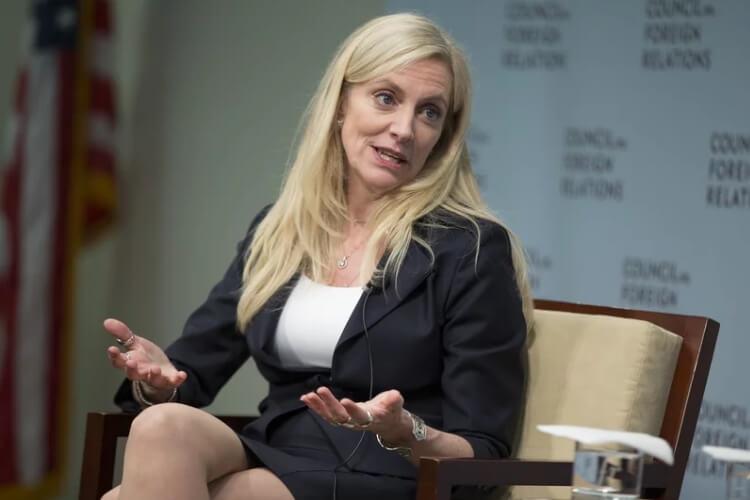
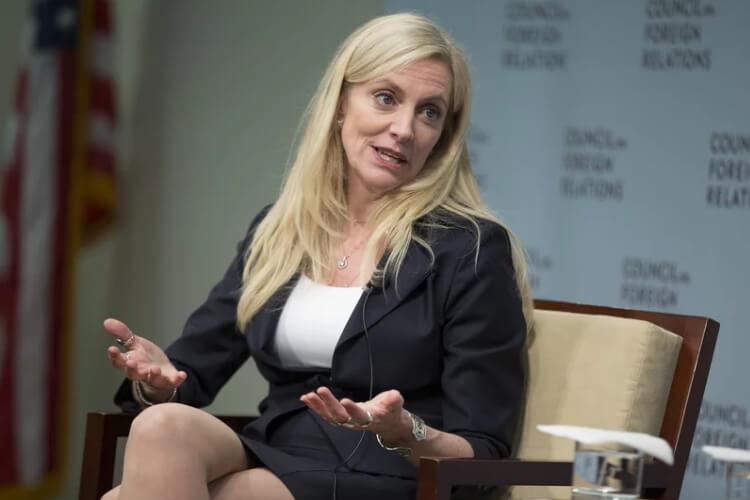
Lael Brainard, a member of the Fed board since 2014, is the clear favorite to become Treasury secretary. She has resisted loosening bank regulations at the Fed board, dissenting on several measures. On monetary policy, she has been a team player, going along with the majority in every vote. Her experience serving on the Fed board has given her a relationship with Fed Chair Jerome Powell, who plays an important role in orchestrating with Treasury on the response to a faltering economy in the pandemic.
Lael Brainard
Brainard was undersecretary of the Treasury for international affairs during the Obama administration. The Harvard-educated economist said in a speech last month that the biggest downside risk to her outlook would be “the failure of additional fiscal support to materialize,” which she said risks longer-term scarring to the economy’s growth potential. The Harvard-educated economist has highlighted some more progressive policies recently, such as the Community Reinvestment Act. In January, she gave a speech highlighting reform efforts necessary to encourage more lending in low- and moderate-income markets.
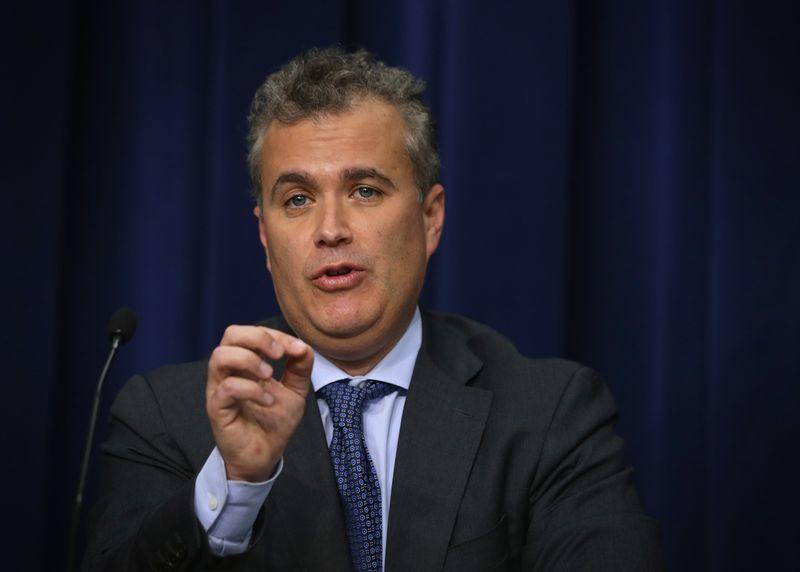
The Biden team is also said to be looking at Jeff Zients, who was director of the National Economic Council under President Barack Obama. He was widely praised for his work to salvage the website associated with the Affordable Care Act, healthcare.gov, after a disastrous initial rollout, and was then dubbed “Mr. Fix-it” in the administration. Also on the list are Sylvia Mathews Burwell, who was secretary of Health and Human Services under Obama, as well as Sarah Bloom Raskin, a former Fed governor and Treasury official.
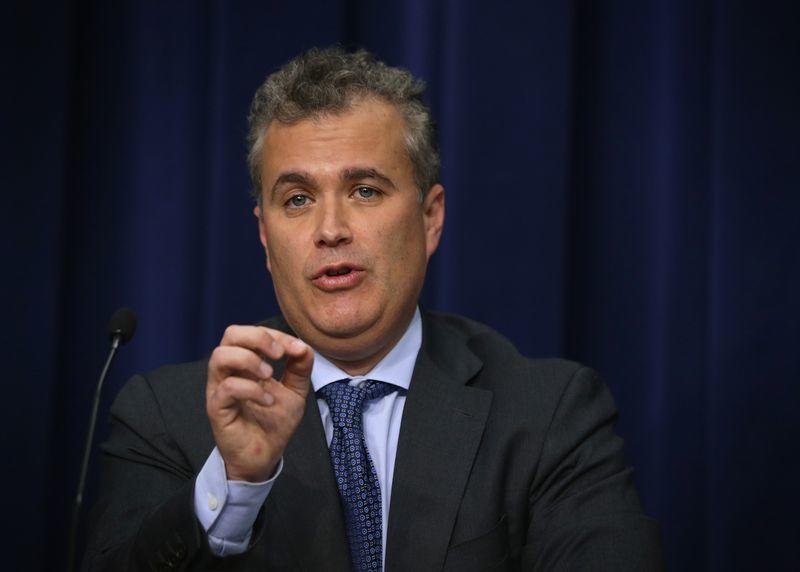
Jeff Zients
Senator Elizabeth Warren of Massachusetts, one of Biden’s progressive rivals for the Democratic nomination, is said to want the job, but she would be a tough sell for confirmation if Republicans control the Senate and is deeply distrusted on Wall Street and in the business community.
Fed Chairman
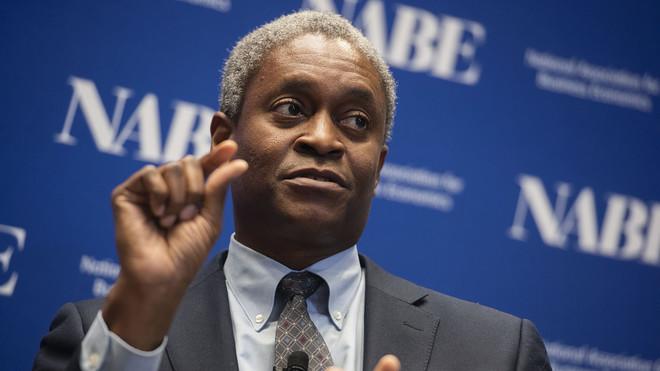
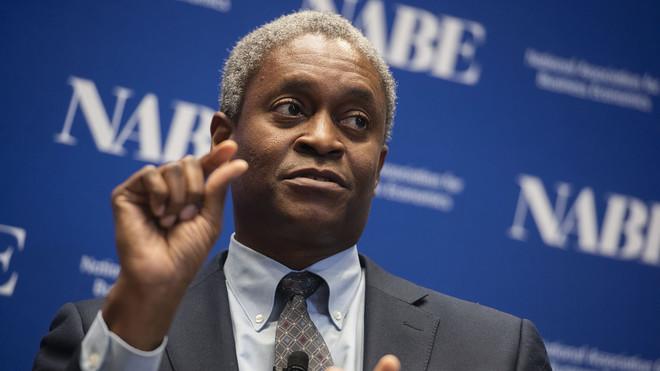
While Biden is reportedly also working with ex-Fed official Roger Ferguson and Atlanta Fed President Raphael Bostic, both Black men, for the Treasury position, Bloomberg writes that Bostic is also being considered as a replacement for Powell, whose term is up in 2022. Ferguson was widely praised for his role coordinating the Fed’s response to the Sept. 11 terrorist attacks, when then central bank injected billions of dollars into the economy.
Rafael Bostic
Council of Economic Advisers
According to Bloomberg, Jared Bernstein, Biden’s chief economic adviser when he was vice president, has seen his name in contention. A labor economist, Bernstein helped draft a rule almost doubling the salary threshold for overtime pay. Now a senior fellow at the Center on Budget and Policy Priorities, he is considered left of center and could be a bridge to the progressive wing of the party. He also was an informal adviser to the campaign.
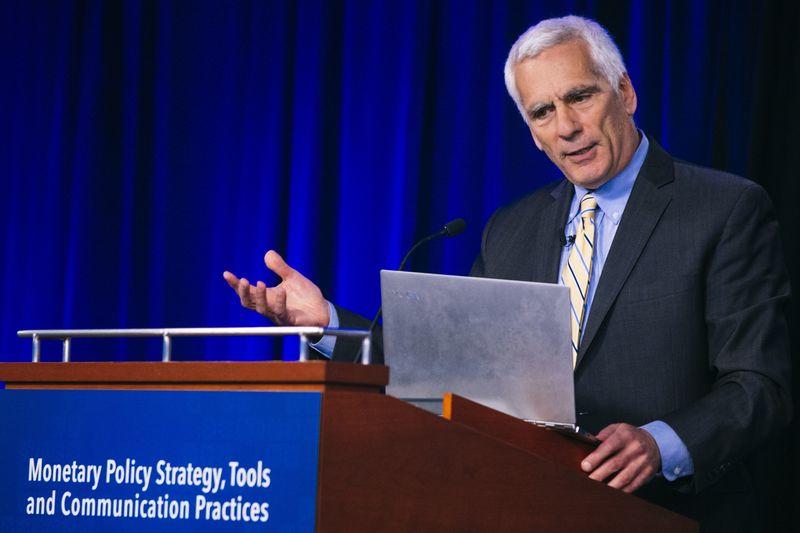
Jared Bernstein
Boushey is also a possibility. She is the president and chief executive officer of the Washington Center for Equitable Growth, a think tank launched in 2013 that focuses on inequality. She has focused on promoting policies such as paid sick days and child care.
National Economic Council
Boushey is also being considered for NEC director. She served as chief economist for Hillary Clinton’s 2016 presidential transition team and was widely expected to have a prominent economic policy role had Clinton been elected.
State Department
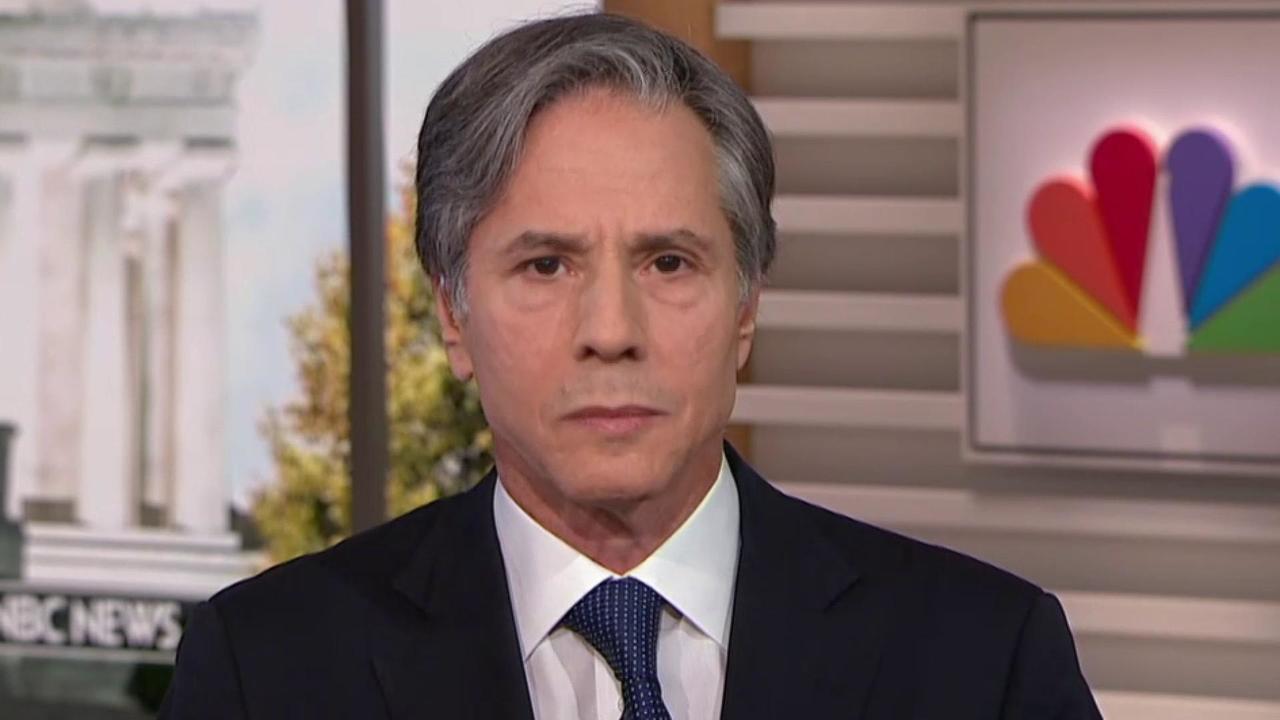
Biden has two top candidates for secretary of state: longtime aide Antony Blinken, who served as Biden’s national security adviser. Blinken is a veteran Washington foreign policy hand. He worked as the Democratic staff director on the Senate Foreign Relations Committee. He was deputy secretary of state from 2015-2017, when he helped implement the Obama administration’s policy pivot to Asia.
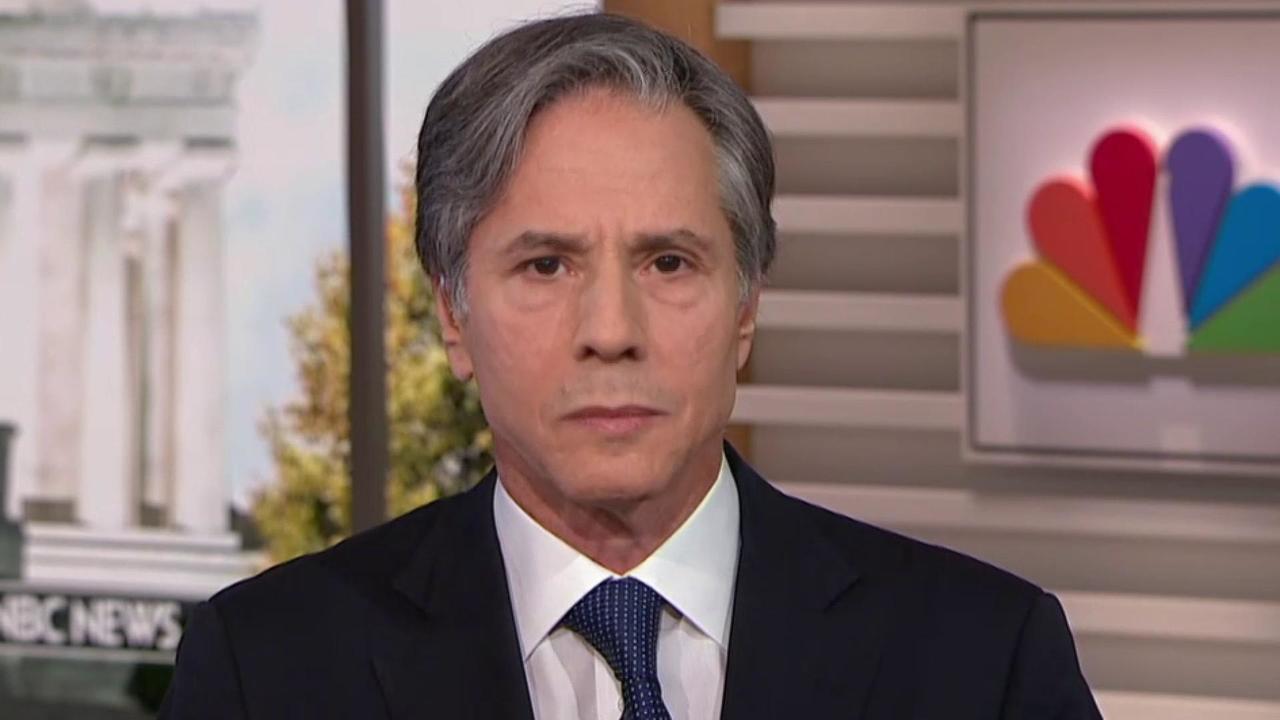
Antony Blinken
He also worked in the Obama White House as special assistant to the president and deputy national security adviser. Susan Rice, Obama’s national security adviser who was on Biden’s short list for vice president, is also being mentioned but Rice would likely not be confirmed by a Republican-controlled Senate.
Defense Department
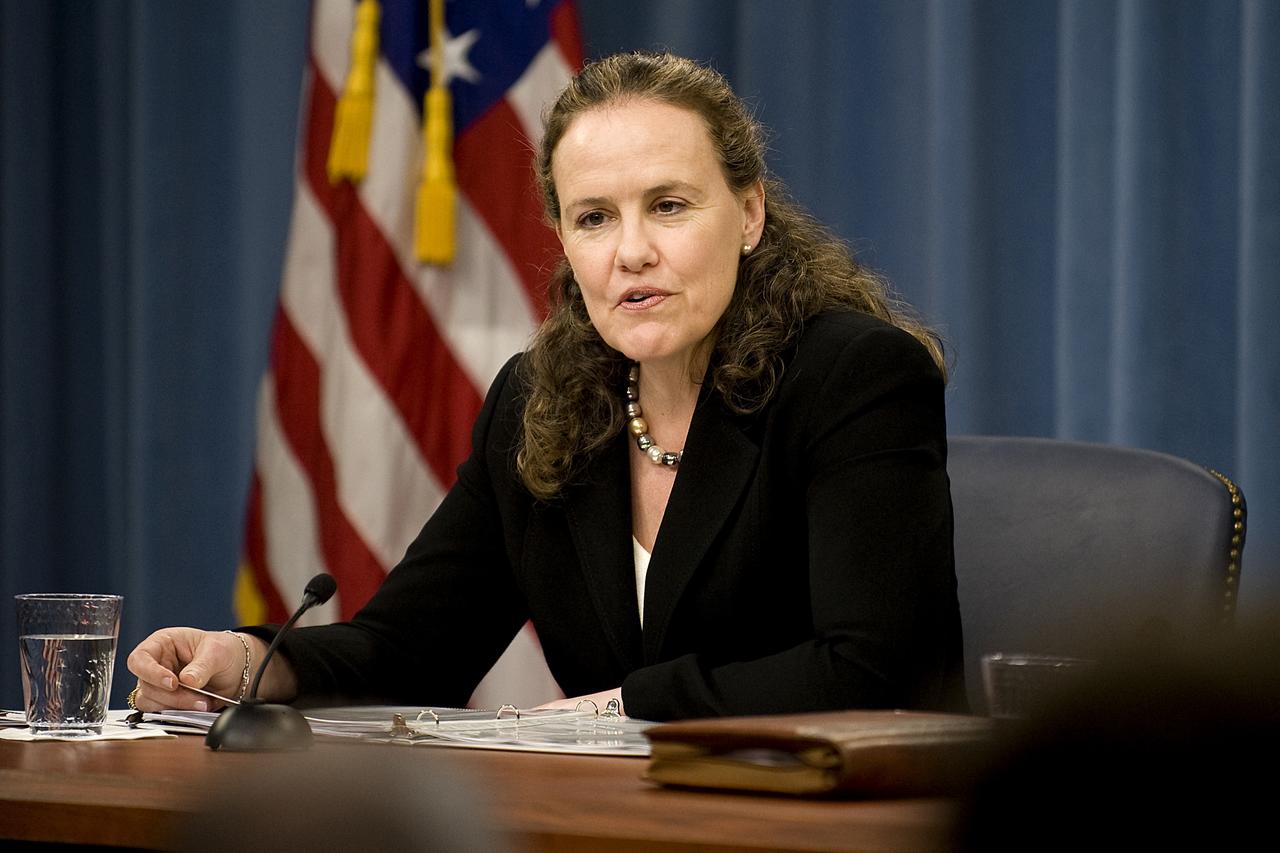
The odds-on favorite is Michele Flournoy, a former undersecretary of defense who was seen as Clinton’s pick for the job if she’d won in 2016. Flournoy was the highest-ranking woman in Pentagon history when she was the top adviser to then-Defense Secretary Robert Gates in 2009, and would be the first woman to run the Pentagon.
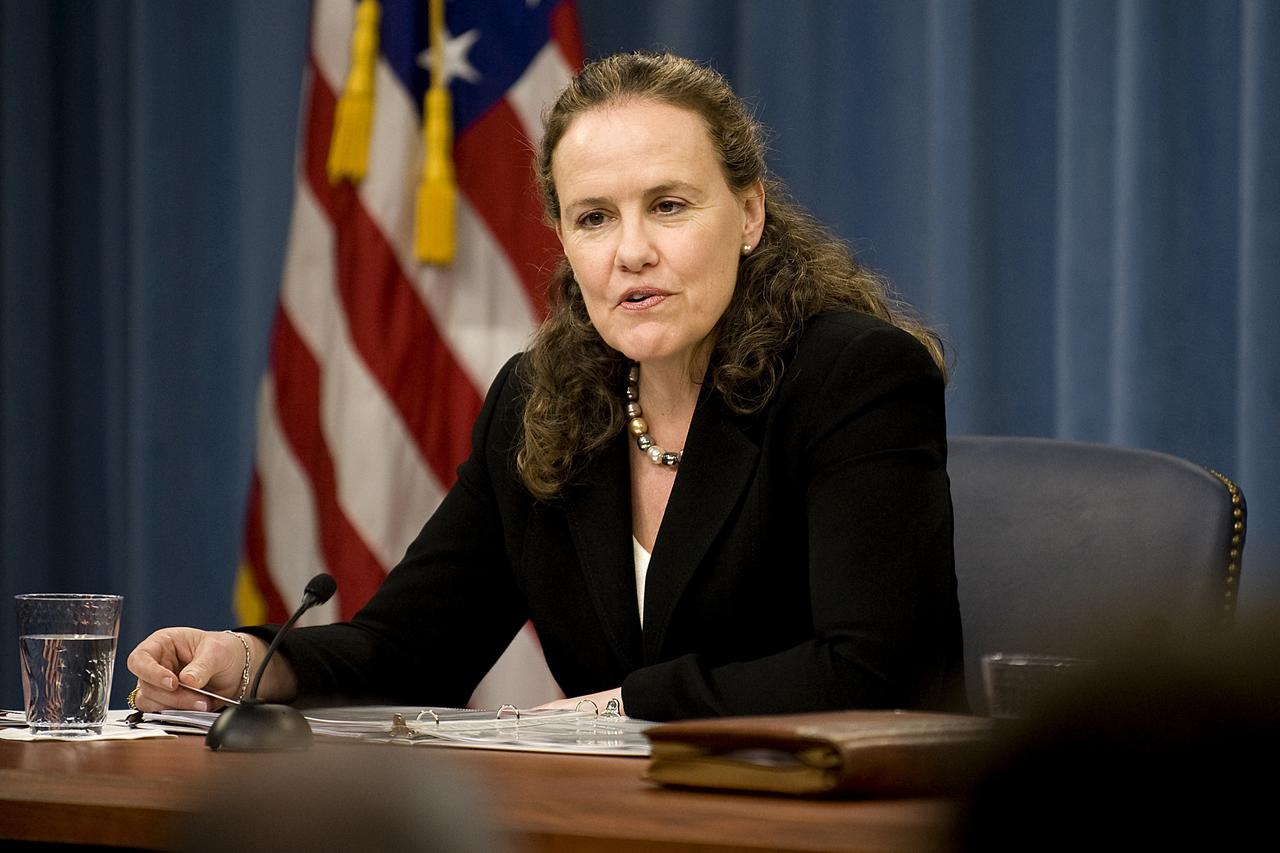
Michele Flournoy
Another potential candidate is Jeh Johnson, who led the Department of Homeland Security under Obama and would be the first Black Defense secretary. Another name being mentioned is Senator Tammy Duckworth of Illinois. She served in the Army Illinois National Guard in Iraq, where she lost both of her legs in combat.
Justice Department
Sally Yates, a career federal prosecutor who was named deputy attorney general by Obama is among those being chatted about. She served as acting attorney general for 10 days at the beginning of the Trump administration until Trump fired her for insubordination after she refused to defend the ban on travelers from several Muslim-majority countries.d
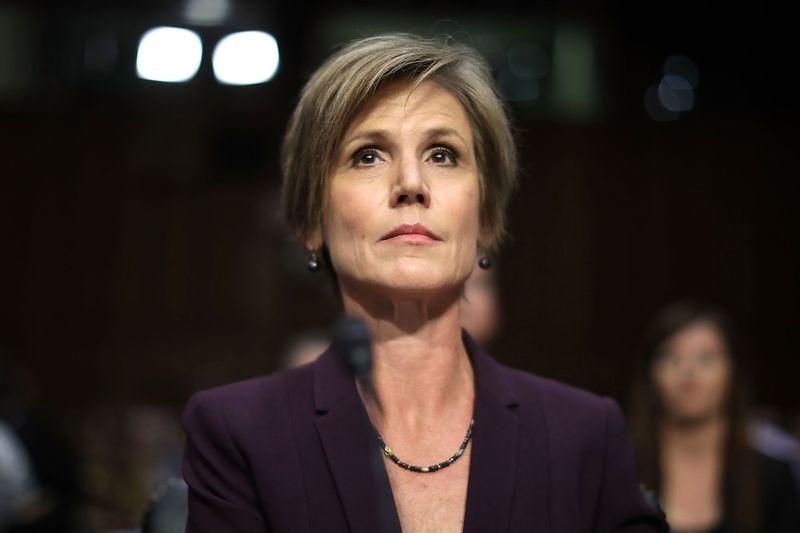
Sally Yates
Others under consideration are Senator Doug Jones of Alabama, who lost his re-election bid, and Preet Bharara, the former U.S. attorney for the Southern District of New York who was fired by Trump.
Homeland Security
The top candidate is Lisa Monaco, who served as Obama’s homeland security adviser. He reportedly gave her the nickname “Dr. Doom” because of her dark assessments of the terrorism threat. She worked for the Biden campaign running what it called a “network” of teams vetting potential vice-presidential candidates. She also served on the committee advising Biden on a response to the coronavirus.
Intelligence
The leading contender to head either the CIA or be Director of National Intelligence is Avril Haines. She served as deputy national security adviser in the Obama administration. She was also deputy director of the CIA under Obama, the first woman to hold the position. In a top intelligence role, she would take the lead on rebuilding the intelligence community, aka the "deep state", which has been at odds with Trump.
Coronavirus Czar
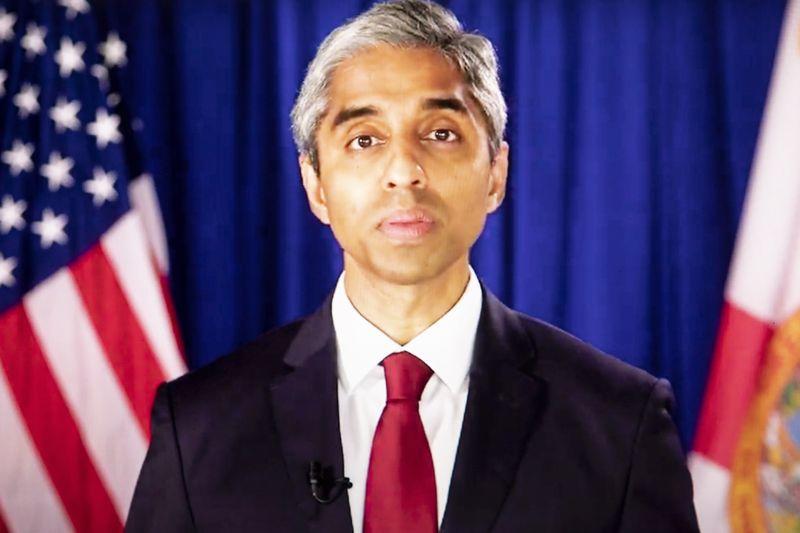
Biden has proposed creating a special position to oversee the response to the pandemic. Members of the coronavirus task force Biden assembled during the campaign could be considered, including Vivek Murthy, a former surgeon general under Obama, and David Kessler, who led the Food and Drug Administration in the Obama administration.
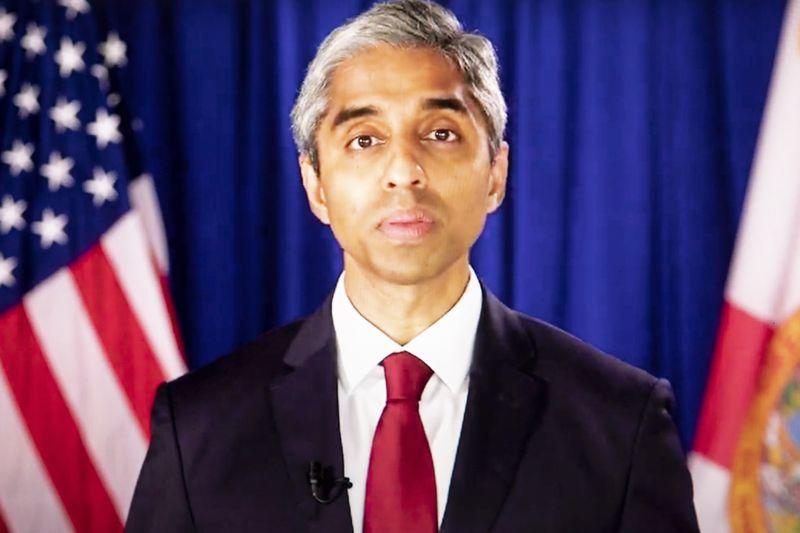
Vivek Murthy
Biden has also said he wants Anthony Fauci, the head of the National Institute of Infectious Diseases who has become a contrary voice to Trump about managing the pandemic, to have a role in his administration.
Climate Chief
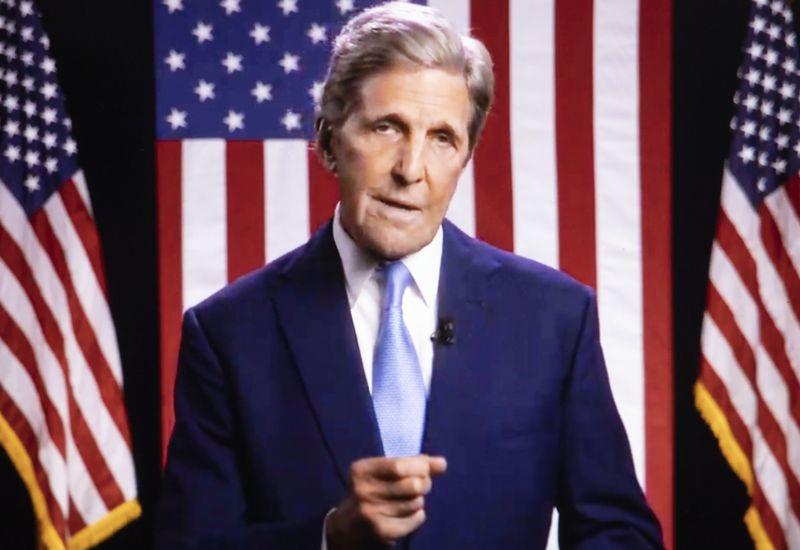
Biden is considering establishing a new climate czar to coordinate efforts to fight global warming. Top candidates include former Secretary of State John Kerry, who helped broker the landmark Paris climate accord. During his more than a quarter-century representing Massachusetts in the Senate, Kerry led an unsuccessful push for a carbon cap-and-trade program. Another potential pick is Jay Inslee, the newly re-elected governor of Washington and self-styled “climate candidate” for the Democratic presidential nomination who has argued for a “full mobilization of the United States” to fight global warming. Inslee, who spent two terms in the U.S. House, also left an imprint on Biden’s climate plans, including the president-elect’s marquee plan to make U.S. electricity carbon-free by 2035. John Podesta, former President Bill Clinton’s chief of staff, has also been mentioned.
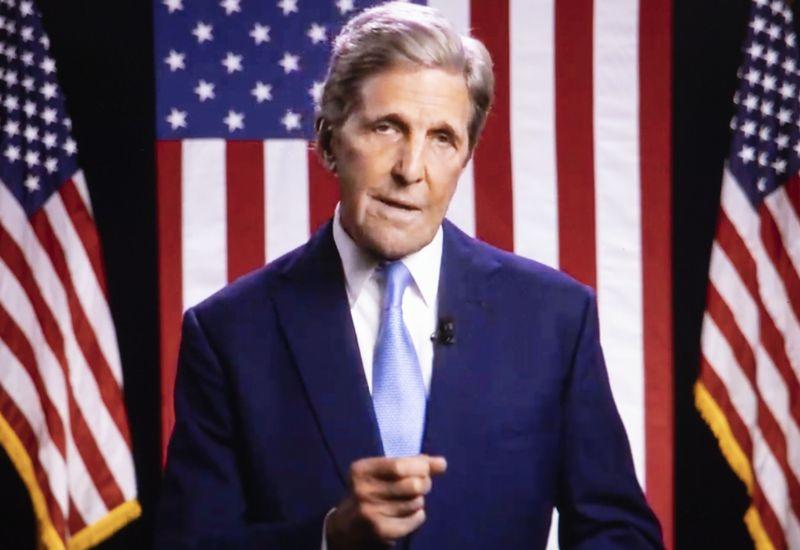
John Kerry
Environmental Protection Agency
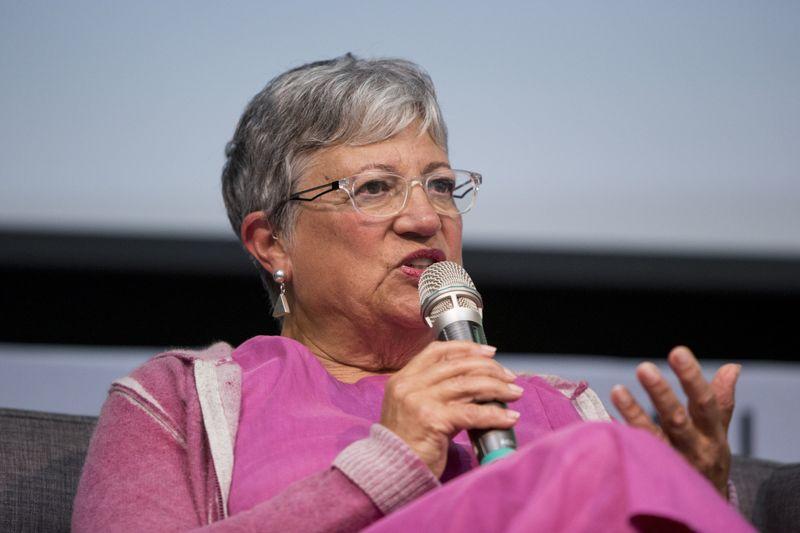
The EPA administrator post will be crucial to advancing Biden’s aggressive plans for fighting climate change. The top candidates are California air regulator Mary Nichols and Mississippi’s Heather McTeer Toney, a regional EPA administrator for several Southern states under Obama. For more than 50 years, Nichols has been at the vanguard of American environmentalism, pushing clean air and climate policies in California that are a model for the nation and the 13 states that specifically adhere to them. But the so-called “queen of green” could face opposition in a Republican-controlled Senate because of her high-profile status as an environmental leader and chief foe of Trump’s climate policy rollbacks. Toney was the first Black, female, and, having been elected at age 27, the youngest person ever to serve as mayor of Greenville, Mississippi. Now, she’s the national field director for the Mom’s Clean Air Force, a grassroots group dedicated to fighting air pollution. Also under consideration are former Delaware regulator and National Wildlife Federation Chief Executive Officer Collin O’Mara; former Connecticut regulator Dan Esty; former Washington State Governor Christine Gregoire; and Inslee.
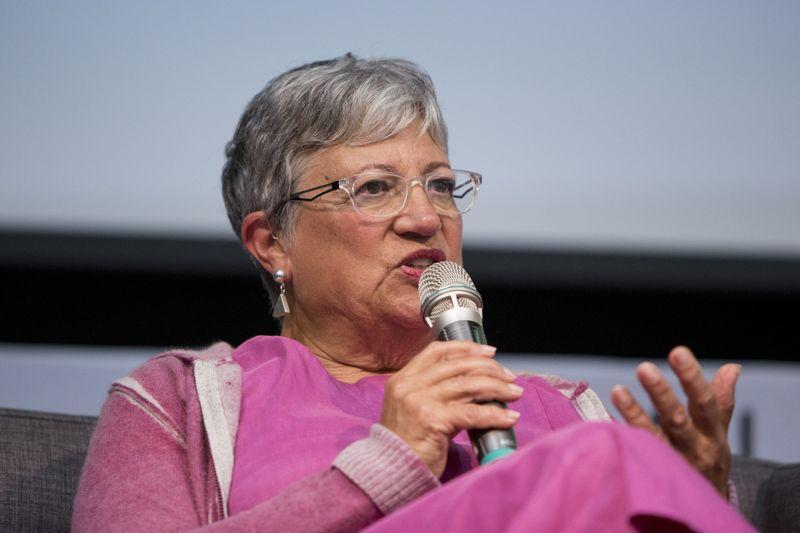
Mary Nichols
Health and Human Services
The leading contenders are two women who Biden also considered for vice president: Representative Karen Bass of California, head of the Congressional Black Caucus, and New Mexico Governor Michelle Lujan Grisham. Bass, who was a physician assistant before coming to Congress, has made health care a focus of her career. Her support Medicare-for-All legislation, which Biden has rejected, could make her a tough sell for confirmation to lead the agency that administers the health care system.
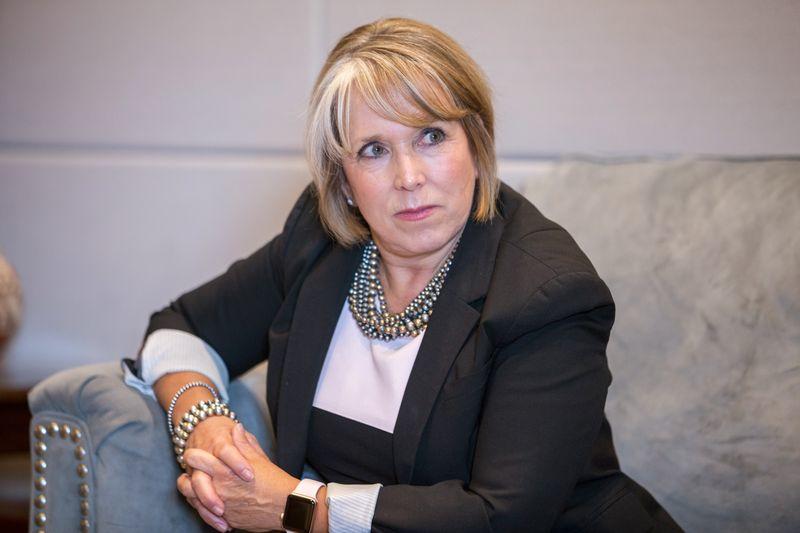
Michelle Lujan Grisham
Before becoming governor, Grisham was New Mexico’s secretary of health and helped build up the state’s public health system. She was the first Democratic Hispanic elected governor of a U.S. state and the first female Democratic governor of New Mexico. She has led her state’s response to the coronavirus pandemic since the outbreak worsened in the spring.
Housing and Urban Development
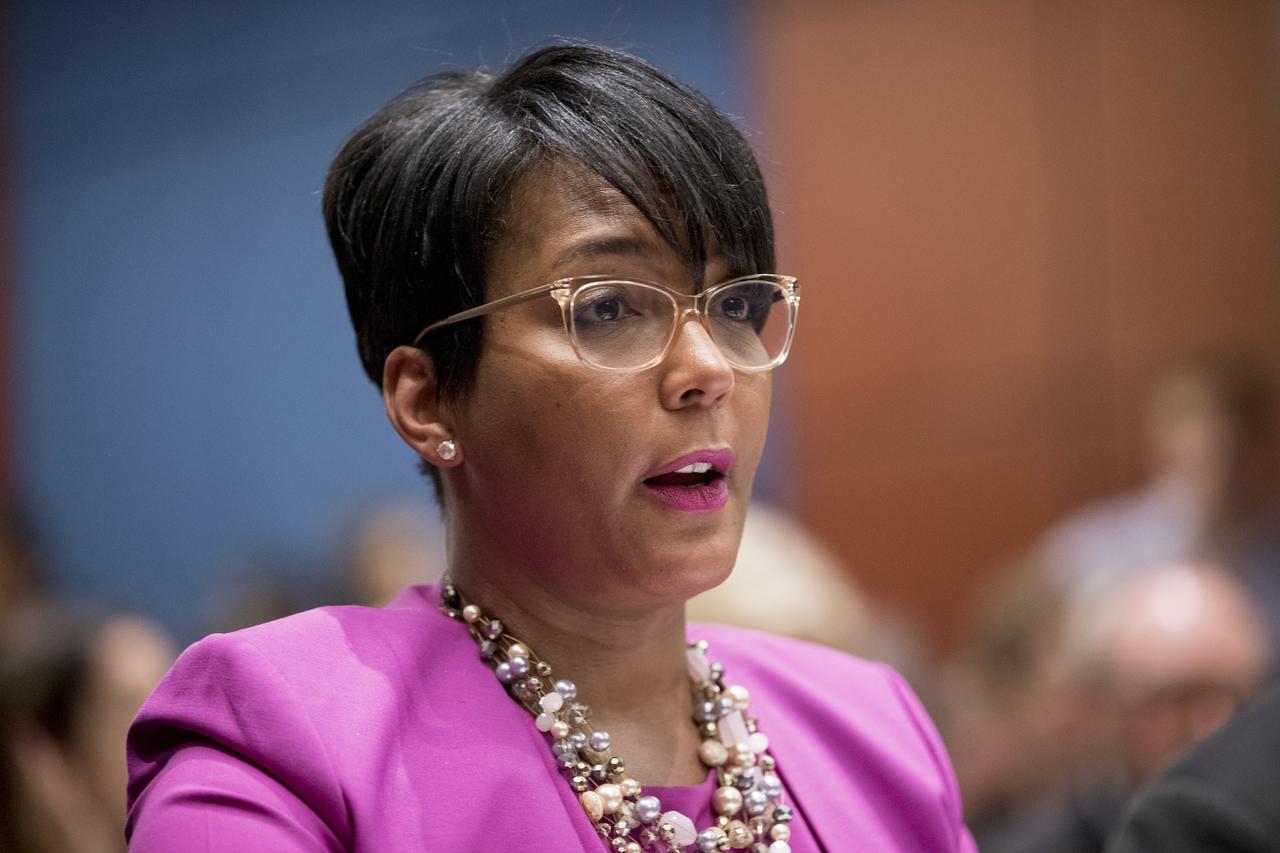
Atlanta Mayor Keisha Lance Bottoms, who was also on the short list as a vice-presidential candidate, is under consideration. As a Black woman and the mayor of a majority Black city, she was praised for her response to the civil unrest last summer.
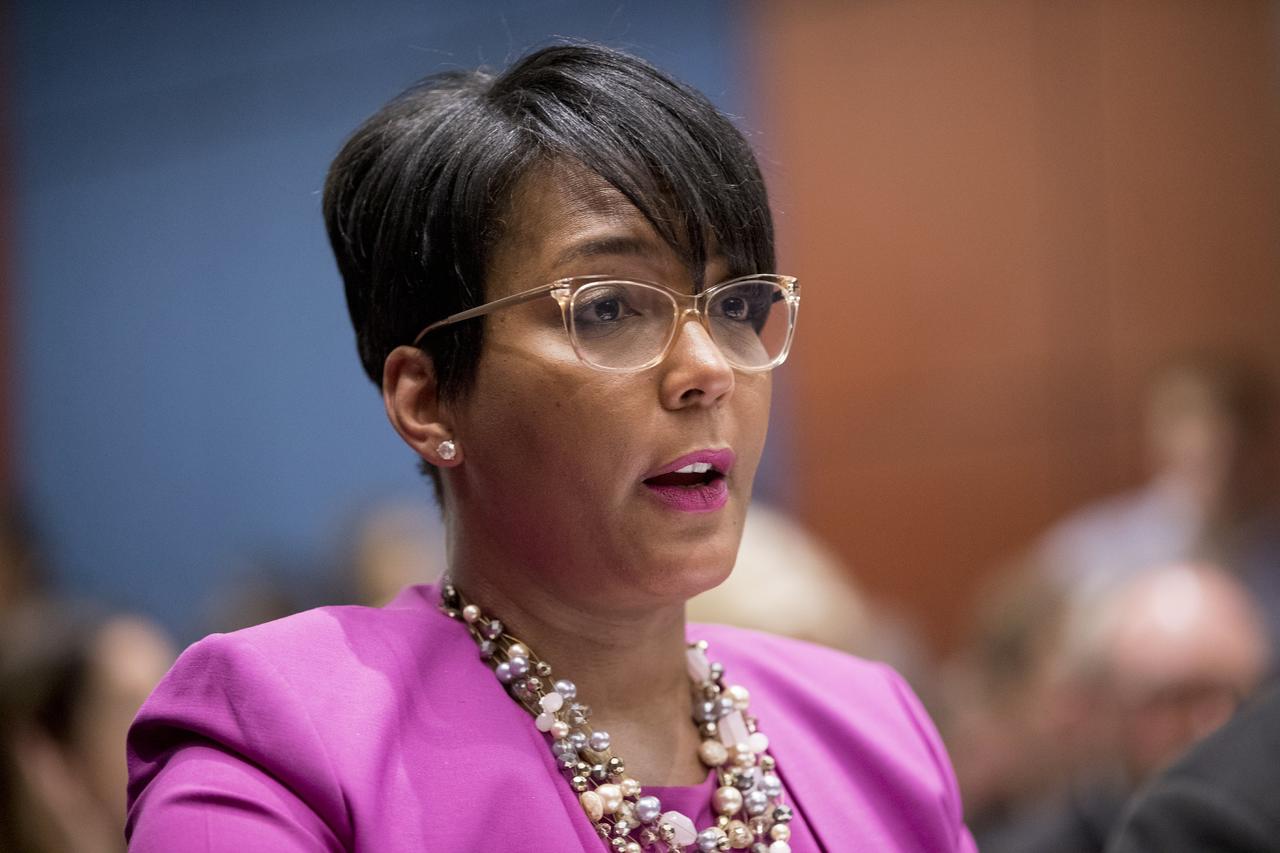
Keisha Lance Bottoms
Transportation
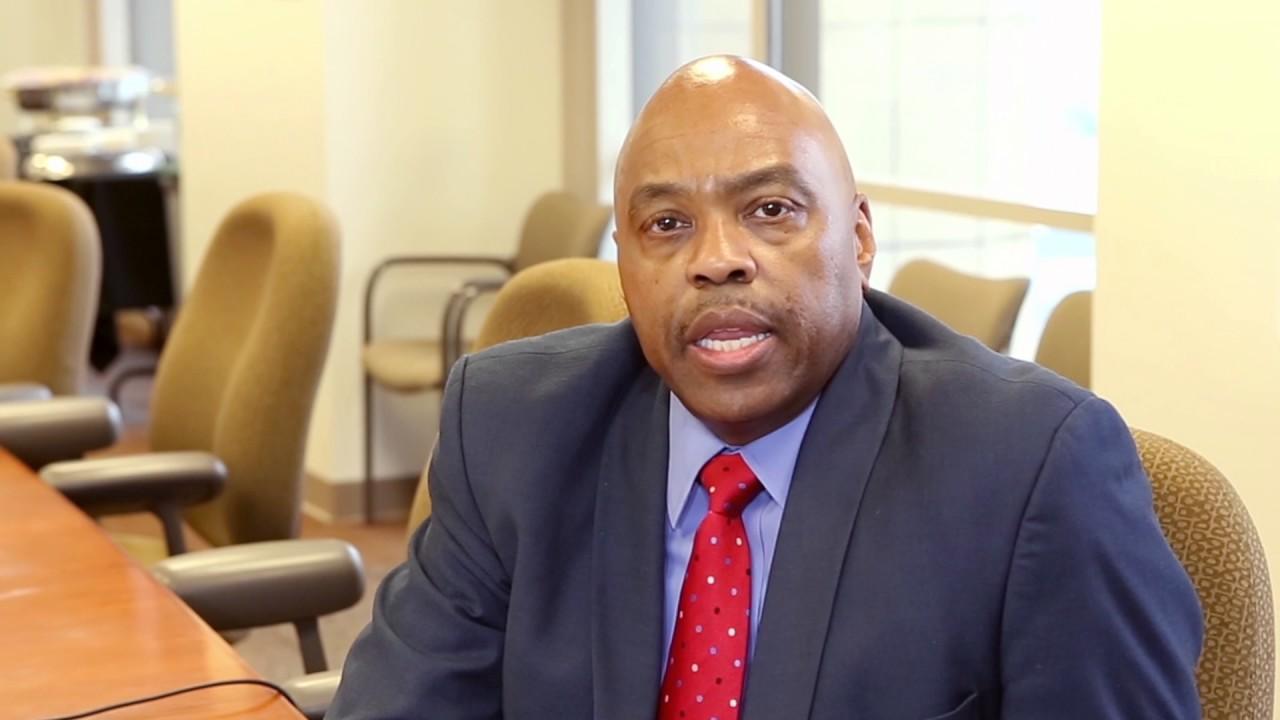
Phillip Washington, the head of the Los Angeles County Metropolitan Transportation Authority is under consideration, as is Sarah Feinberg, the interim president of the New York City Transit Authority and former administrator of the Federal Railroad Administration.
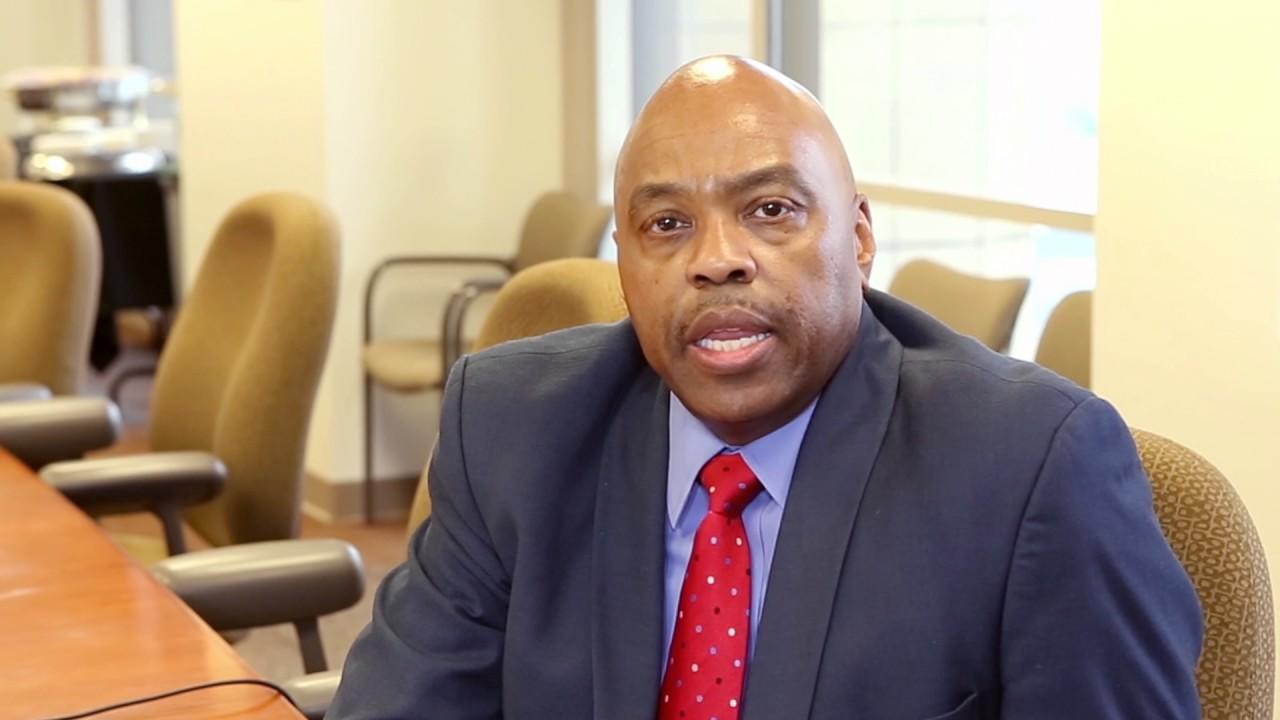
Phillip Washington
Veterans Affairs
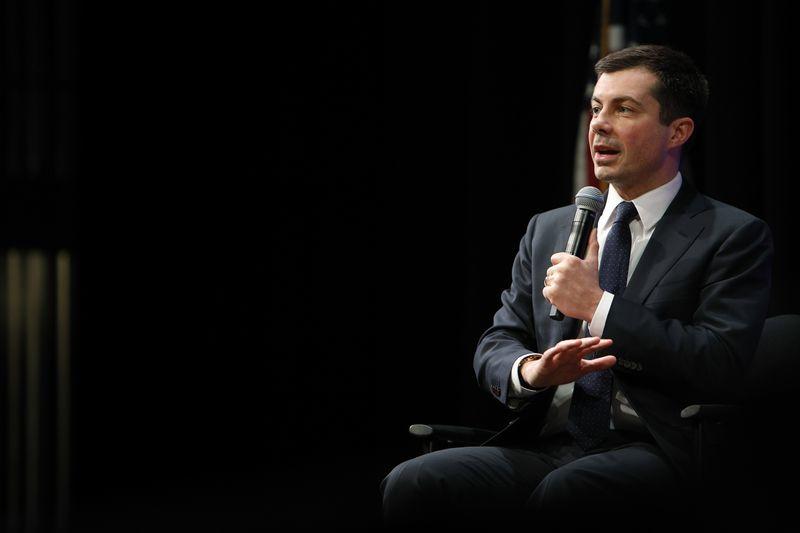
Pete Buttigieg, the former mayor of South Bend, Indiana, who ran against Biden in the primary is a distinct possibility. He was on Biden’s transition team and was a prominent surrogate for the nominee on the campaign trail. Buttigieg served as in the Navy Reserves in Afghanistan. He would be the first openly gay head of the agency.
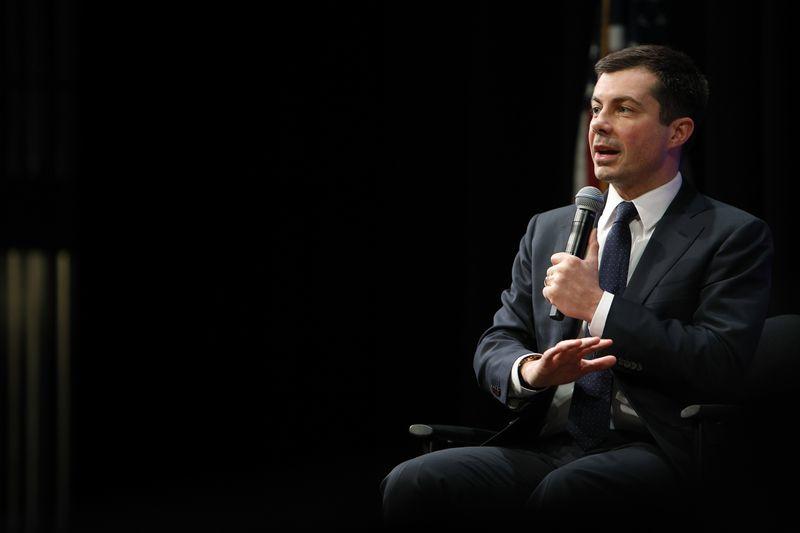
Pete Buttigieg
Duckworth was head of the Illinois Department of Veterans Affairs. She was the first female double amputee elected to the Senate and first senator to give birth while in office. A Thai-American, she would be another Asian-American woman at the top of the Biden administration, along with Vice President-elect Kamala Harris, whose mother was born in India. Duckworth, who was a lieutenant colonel in the Illinois Army National Guard, has ancestors who have served in every major U.S. conflict since the Revolutionary War.
UN Ambassador
Buttigieg has also been one of the names circulating for U.S. ambassador to the United Nations. Serving in this post, which has been a cabinet-level job in some administrations, would serve several purposes for Buttigieg. It would allow him to practice the seven languages he says he speaks --Norwegian, Spanish, Italian, Maltese, Arabic, Dari and French -- and would burnish his foreign policy credentials should the 38-year-old decide to run for the presidency again.
National Security Adviser
Blinken, who is also being considered for the State Department, has worked with Biden since he was in the Senate. He said recently that the next administration’s foreign policy would aim to reverse the U.S.’s withdrawal from global affairs under Trump. “We’d actually show up again, day-in, day-out,” he told Axios in October. Rice is also a possibility for this job, which doesn’t require Senate confirmation. But she may not want it, since she had the same job in the Obama administration.
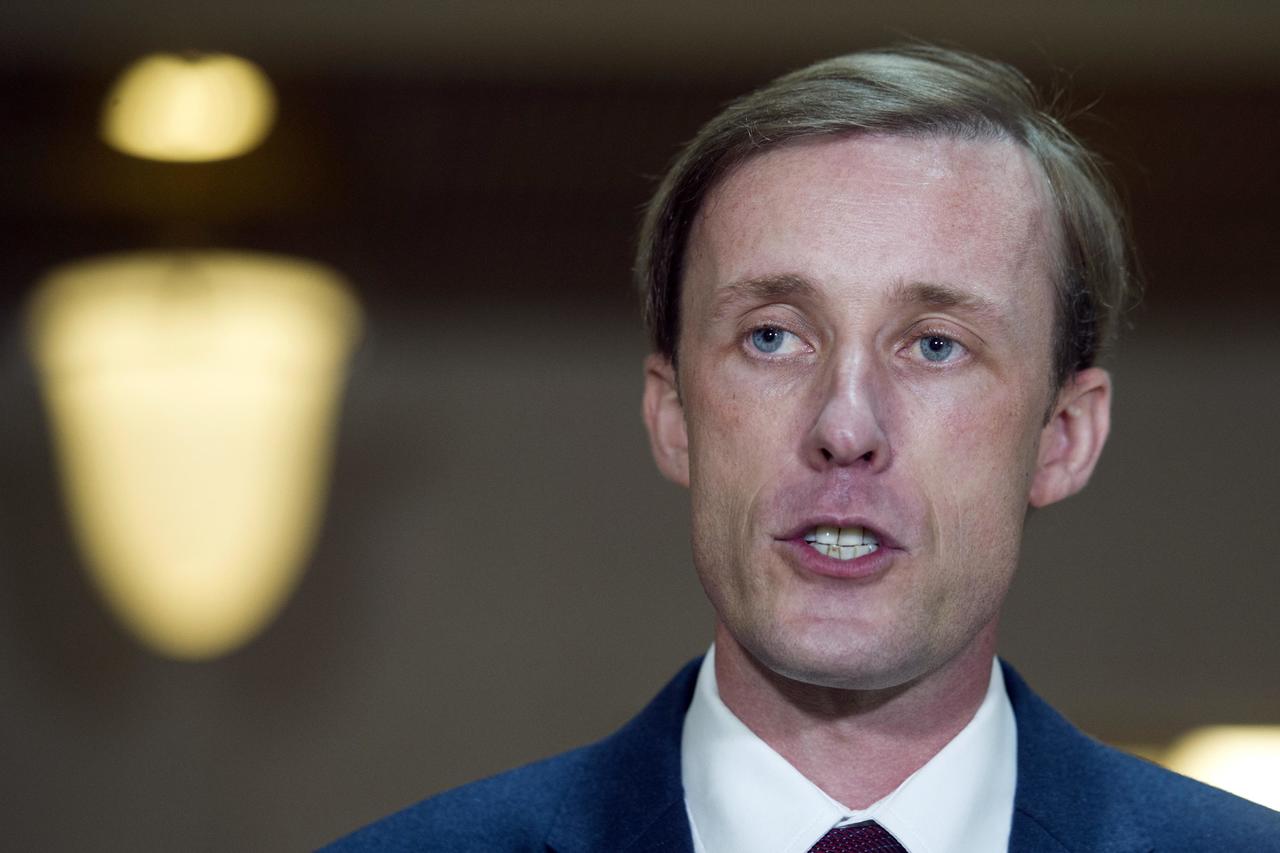
Another strong candidate for a senior foreign policy position is Jake Sullivan, who served as Biden’s national security adviser when he was vice president and and was an adviser to Clinton when she was secretary of state.
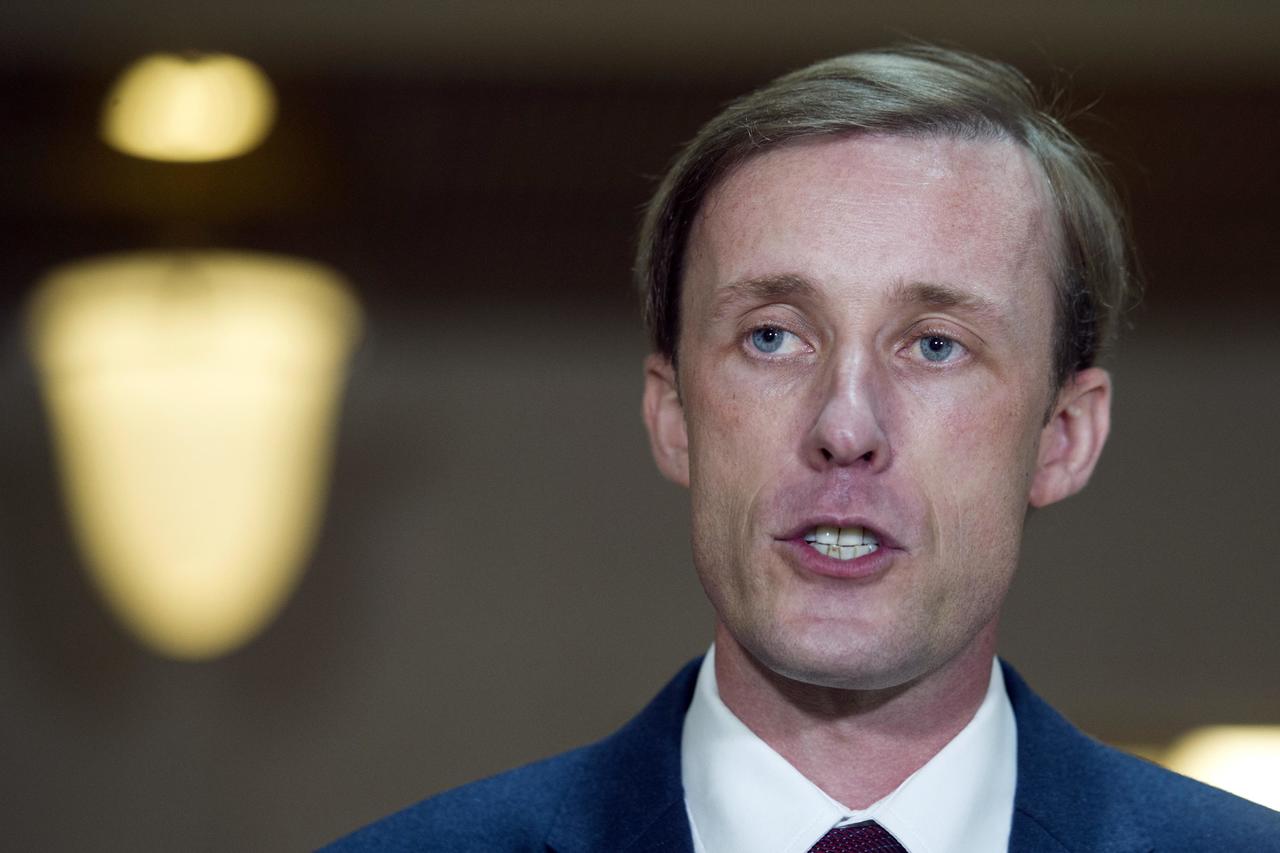
Jake Sullivan
Colin Kahl, who also served as Biden’s national security adviser when he was vice president, has also been considered.
Agriculture Department
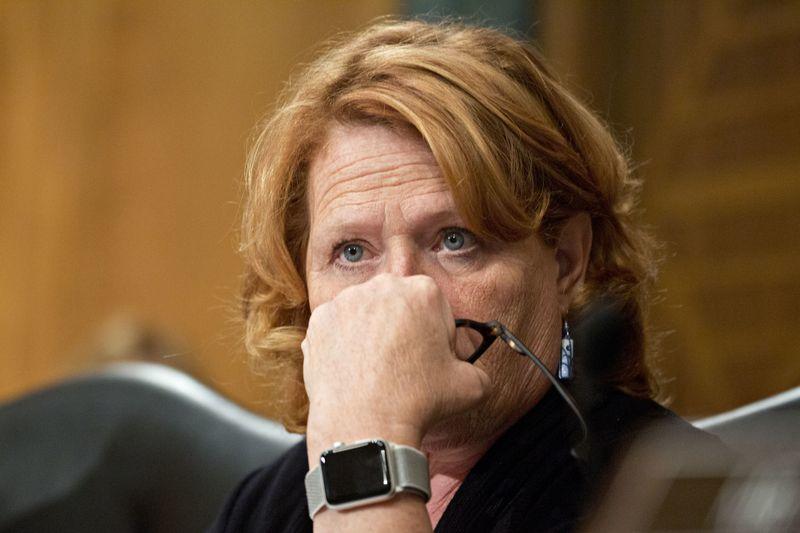
Former Senator Heidi Heitkamp of North Dakota is most frequently mentioned. She has led a Democratic rural outreach group, the One Country Project, and has been active as a surrogate for Biden in rural areas.
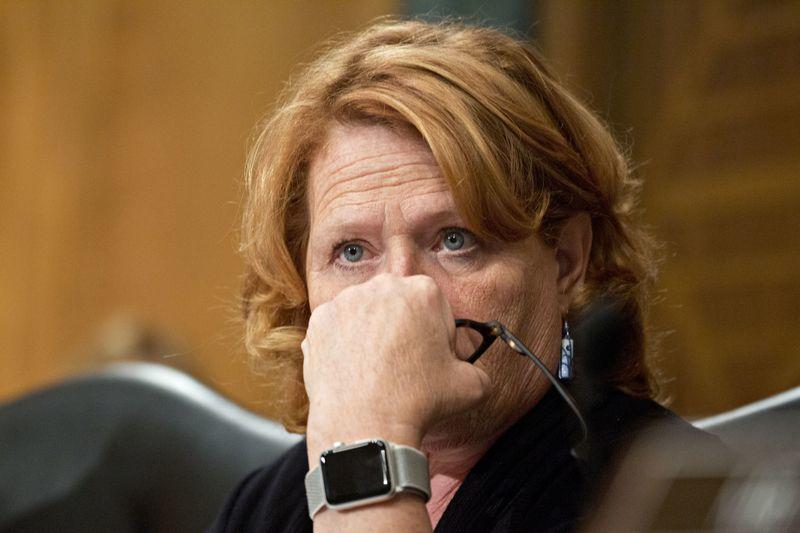
Heidi Heitkamp
Other candidates include Representative Cheri Bustos of Illinois, who leads the Democratic Congressional Campaign Committee; California Agriculture Secretary Karen Ross, a former chief of staff to Obama Agriculture Secretary Tom Vilsack, and Krysta Harden, a former Obama deputy agriculture secretary who now works with Vilsack as chief operating officer at the Dairy Export Council, are also often mentioned.
Interior Department
Retiring Senator Tom Udall of New Mexico is the top contender to be secretary of Interior. His father, Stewart Udall, was Interior secretary from 1961 to 1969 and is credited with a major expansion in federal land protection, including the creation of dozens of wildlife refuges, national parks and recreation areas. Udall, who says conservation is in his DNA, has laid out plans to enlist federal lands in the fight against climate change and has driven efforts to block drilling near the sandstone mesas and ruins of northwest New Mexico’s Greater Chaco region. Representative Deb Haaland, another Democrat from New Mexico, and Representative Raul Grijalva, a Democrat from Arizona who leads the House Natural Resources Committee, also have won praise from environmental groups and been recommended to head the Interior Department.
Chief of Staff
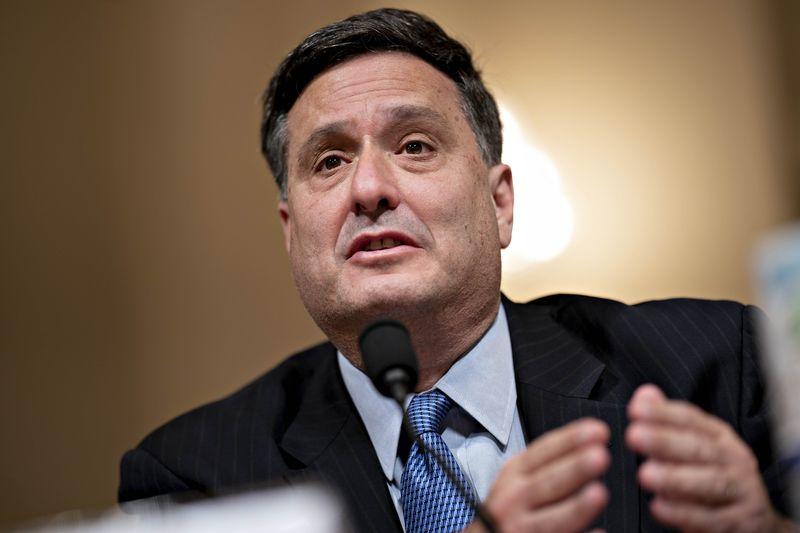
The leading candidate is Ron Klain, who was Biden’s vice presidential chief of staff and led the Obama administration’s economic recovery and Ebola crisis response. Those experiences would be particularly relevant, given that Biden would be tackling coronavirus and the resulting economic downturn upon taking office.
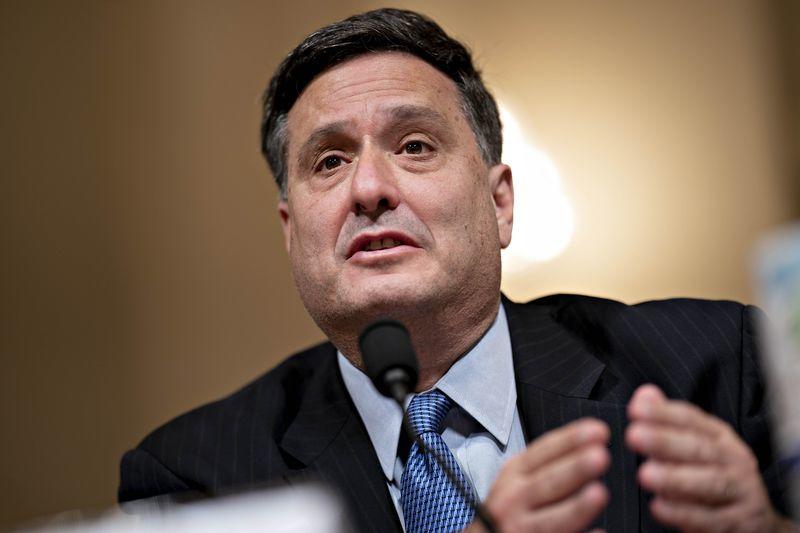
Ron Klain
Steve Ricchetti is also a former Biden vice-presidential chief of staff, and was chairman of Biden’s 2020 campaign. Also being mentioned is Zients, a co-chair of Biden’s transition team and a former director of the National Economic Council under Obama. Close associates such as Ted Kaufman, Biden’s longtime chief of staff in the Senate who led the transition team, and Senator Chris Coons of Delaware, could also play big roles in the inner circle.
Other candidates:
According to Politico, Meg Whitman is a likely frontrunner for the Commerce position, Ernest Moniz is seen as the most likely head of the Department of Energy.
What about Republicans?
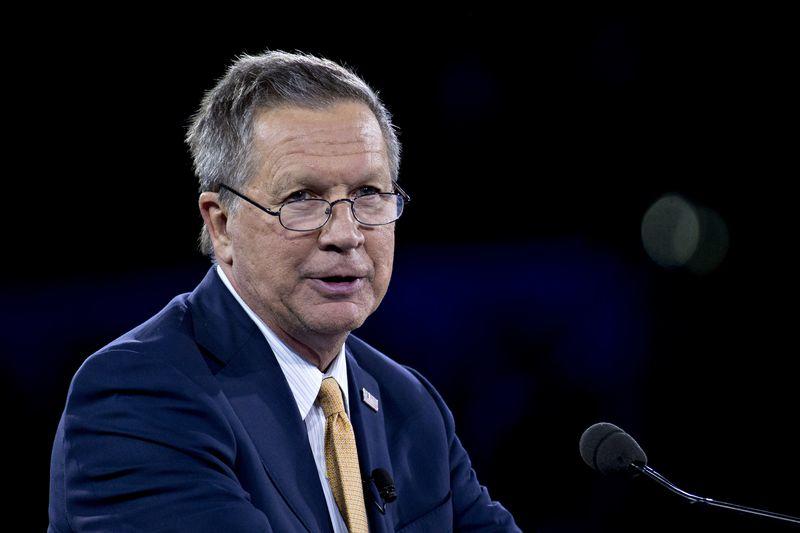
According to Bloomberg, the close and bitter end to his fight with Trump will increase pressure on Biden to pick a Republican for his cabinet in a nod at bipartisanship, as Obama did with his first Defense secretary. Possible contenders include two Republicans who spoke at the Democratic convention: former Ohio Governor John Kasich and Meg Whitman, a tech executive who ran for California governor. He is also said to be considering the late Senator John McCain’s wife, Cindy McCain, for a role, along with Governor Charlie Baker of Massachusetts, former Senator Jeff Flake of Arizona and former Representative Charlie Dent of Pennsylvania.
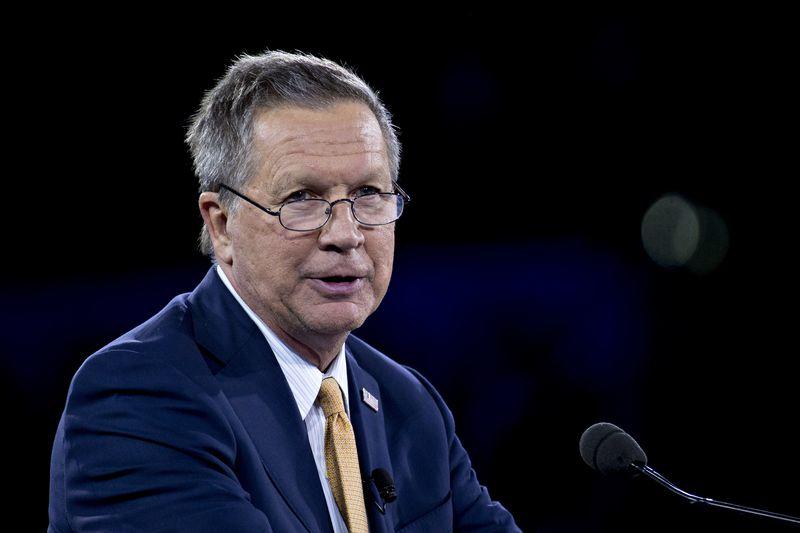
John Kasich

>>> Weekend Papers Summary

Weekend Papers Summary
NEW YORK TIMES
Saturday
• Joe Biden won the presidential election, reaching 279 electoral college votes to Donald Trump’s 214, with some states yet to be decided, after winning Pennsylvania and Nevada—the victory “amounted to a repudiation of Trump by millions of voters exhausted with his divisive conduct and chaotic administration.”
• “Trump’s bellicose pledge to fight the outcome of the election in the courts crashed into skeptical judges, daunting Electoral College math, and a lack of evidence for his claims of fraud,” and none of the roughly dozen lawsuits his team has filed appear to be gaining any traction.
• Control of the Senate hangs on the balance in Georgia after senator David Perdue, a Republican, fell just short of the majority of votes he needed to win re-election, setting the stage for a second January runoff in the rapidly changing state.
• Children infected with the coronavirus produce weaker antibodies and fewer types of them than adults do, which may indicate that they vanquish the virus before it has had a chance to wreak havoc in the body, sparing kids the severe symptoms of Covid.
• New research found that a powerful gene-editing tool called Crispr-Cas9, which won the Nobel Prize in Chemistry for two female scientists, can cause serious side effects in the cells of human embryos, prompting them to discard large chunks of their genetic material.
Sunday
• Trump’s aides said the president had no plans to immediately deliver the kind of concession speech that has become traditional in past elections, and his campaign vowed to continue waging its legal battle across the country.
• Six White House aides and a Trump campaign adviser, including chief of staff Mark Meadows, have contracted the coronavirus, raising fears of another outbreak sweeping through the administration’s staff as cases surge to record levels in the country.
• As Trump refused to concede defeat, top Republican congressional leaders also refrained from releasing the customary statements congratulating the victor that have been standard among senior lawmakers in both parties when a presidential election has been declared.
• With her ascension to the vice presidency, Kamala Harris will become the first woman and first woman of color to hold that office, a milestone for a nation grappling with a damaging history of racial injustice exposed, yet again, in a divisive election.

WALL STREET JOURNAL
Weekend
• Front page story reports “The US added 638,000 jobs in October and the jobless rate fell to 6.9 percent, the Labor Department said Friday, a sign of labor market healing amid rising coronavirus infections.”
• Recent Labor Department data show that the labor-market recovery from the pandemic has been uneven across demographic groups, as Hispanic men benefit from gains in industries such as construction while women—especially from racial minority groups—lag behind.
• Republican and Democratic lawmakers braced for a volatile lame-duck session, with another clash brewing over coronavirus aid and the outcome of some key Senate and House contests still up in the air.
• Democrats are questioning their resource allocation after a focus on red-state Senate seats yielded little in return—the gap between aspiration and necessity was especially stark in Michigan, and the Democrats will need to spend large sums if they hope to win to runoff elections in Georgia.
• A key ingredient in what could be the first US-approved Covid-19 vaccine comes from Polymun Scientific Immunbiologische Forschung, an Austrian family-owned company with 90 employees, underscoring the fragility of the potential treatment’s supply chain.
• China responded with anger after the State Department removed from its list of terrorist organizations a largely defunct Uighur separatist group that Beijing partly blames for ethnic tensions in the northwestern Xinjiang region.
• + KO, GM, EL: Companies are among those that saw a third-quarter boost from growing consumer spending in China, even as a surge in the number of coronavirus cases in the US and Europe put a dent in demand in their markets.
• The dwindling number of black-owned banks in the US has prompted plans from a new generation of entrepreneurs, companies, and regulators to strengthen these banks by building up their capital with private investments and giving them new ways to earn money. • “Generous aid to state and local governments, as well as income-tax increases making municipal bonds more attractive to investors, is less likely if Democrats fail to control both the White House and Congress.”
• Gold’s gains this week have highlighted an unusual aspect of its rally this year: Rather than moving in the opposite direction to stocks, the haven metal and riskier equities have recently rallied and tumbled together.
• H.O.T.S.: American restaurants have struggled during the pandemic, but fast food chains have managed to thrive, and even make gains; Despite a stronger October jobs figure, colder weather and a resurgence in coronavirus cases threaten the recovery in retail and food service jobs; Richemont’s investment in luxury website Farfetch is a smart move, but could also be an admission that a rival online business it already owns, Yoox Net-a-Porter, is struggling. -

FINANCIAL TIMES
Weekend
• Front page story reports that Japan’s Nikkei 225 stock index closed Friday at its highest level since 1991 as retail investors cashed out of smaller, speculative stocks and moved into blue chips.
• Donald Trump’s children and closest allies are accusing Republican leaders of betraying him by failing to endorse the president’s baseless claims of fraud in the presidential election.
• Recent jihadi terror attacks in France, Austria, and Germany have heightened fears that a new terrorist wave could be brewing in Europe—security officials believe the threat is real, and more likely than usual because of the large number of European jihadis who have returned from Iraq and Syria.
• Big Read story stays that while Donald Trump may be leaving the White House, scores of his supporters remain in Congress and in state governments, and that Joe Biden “will have one hand tied behind his back from the start” when he takes office.
• Lex Column: Global markets may not welcome all of president-elect Joe Biden’s policies, but nor do they fear them, and volatility is likely to recede; British insurance stocks are particularly weak, because of the country’s “Wimbledon effect” of providing a venue dominated by foreign players; Beijing once tried to lure TM to invest and manufacture in mainland China, an offer the Japanese carmaker declined—though its future now depends on that market.
• Comment: “Joe Biden could run a masterly foreign policy and still fail to recreate the kind of US influence that he knew from childhood through to middle age,” says Janan Ganesh. “As long as the world suspects that a Republican successor would undo his work, it has little incentive to defer to Washington as it once did.”

NEW YORK POST
Saturday
• The labor force participation rate ticked up to 61.7 percent after dropping in September and the number of people saying they’ve lost their jobs permanently fell slightly, to just under 3.7M. Sunday
• The Trump administration fired the heads of the federal agencies that oversee the nuclear weapons stockpile, electricity and natural gas regulation and overseas aid after the election, prompting one to claim he was retaliated against for disagreeing with a policy.
• UK general Sir Nick Carter told Sky News that the economic devastation already sparked by the pandemic has sparked regional conflicts that resemble those that led to the previous two world wars, and could spark a third.

FT : UAE introduces secular-leaning reforms to reassure expats

UAE introduces secular-leaning reforms to reassure expats
Gulf state scraps laws criminalising alcohol use, suicide and cohabitation

The United Arab Emirates has unveiled a series of secular-leaning legal reforms, decriminalising alcohol and suicide, allowing the cohabitation of unmarried couples and criminalising honour crimes against women.

The overhaul of Islamic personal status laws comes as the oil-rich Gulf state seeks to scrap rules that, while rarely invoked, added a level of uncertainty for millions of residents and tourists in the UAE.

The moves, which particularly benefit the majority expatriate population of the oil-rich Gulf state, came after a two-year review of the legal system, one official said.

“The UAE is again demonstrating its ability to attract millions of people from around the world to live and work here,” Abu Dhabi’s The National newspaper said in an editorial. “Some of the issues that have been addressed by these laws . . . are important to families who are settling in the UAE and making it their home.”

As the country looks to diversify its economy from oil, it has been introducing changes to develop a more conducive atmosphere for expatriates to put down deeper roots and invest in the country.

Dubai, for example, has offered foreigners the chance to retire in the emirate, if they are over the age of 55 and meet various financial-security thresholds. The city had hoped to attract 25m visitors to its hosting of the World Expo this October, but the event has been delayed by a year.

The economy of the UAE, hit by coronavirus and lower oil prices, is forecast to contract 6.6 per cent this year, with the commercial, travel and tourist hub of Dubai facing a steeper decline of as much as 10 per cent.

The UAE, a moderately conservative Muslim society where expatriates outnumber nationals by nine to one, has confronted the rise of political Islam around the region since the Arab uprisings of 2011. At home, the focus has been on modernising society, through education and broadening women’s rights, while limiting free speech and banning political activism.

Some UAE nationals expressed their backing for an apparent shift towards secularism. “I so longed to see the day we took steps to become secular,” tweeted one. “I’m so happy to see it happen sooner than expected.”

The consumption of alcohol without a licence is no longer a criminal offence in the UAE, with bars and nightclubs common across six of the seven members of the federation. For decades, non-Muslims have depended on acquiring an alcohol licence to buy and consume drink legally.

While most tourists and residents avoided prosecution for drinking without a licence, some would find themselves slapped with an additional charge if arrested while under the influence.

The new regime also explicitly allows non-married couples to share accommodation. While this restriction has been widely ignored, the threat of legal action has nonetheless hung over people in shared households.

The amendments also included divorce and separation of assets, allowing couples who married outside the UAE to follow the laws of their home country during divorce proceedings, rather than the country’s sharia-based code. Similarly, expat jurisdictions can be used for inheritance purposes.

The overhaul has also decriminalised suicide, which is prohibited in Islamic law, even though few people who attempted suicide have been prosecuted. Still, the provision has made it harder to deal with mental health issues in the federation.

The new laws also removed longstanding provisions that allowed those who assisted in an emergency to be held accountable for the victim’s injury or death.

Women’s rights were bolstered in a series of changes addressing violence and harassment. The new code will remove references to “honour crimes”, in which male relatives could receive lighter punishment for assaulting a female relative to protect their family’s reputation. Attacks relating to “shameful” relatives will be treated like any other assault.

“This change is excellent, and I hope it will be followed elsewhere in the region,” said Hind Mezaina, an Emirati artist, writer and film programmer. “These welcome changes are mainly set up for expatriates. It remains to be seen how much of this will be embraced by conservative Emirati and Muslim expat families.”

WSJ : Aerospace and Defense Stocks Have Struggled to Take Off. It Might Be Their

Aerospace and Defense Stocks Have Struggled to Take Off. It Might Be Their Time.
Some analysts think military spending is likely to stay high in the coming years

Aerospace and defense stocks have had a turbulent year. However, some analysts say there could be opportunities for patient investors.

Aerospace and defense exchange-traded funds—which focus on both the commercial and military markets, or on particular sectors—have had returns ranging from about minus 2% to minus 80% or worse for 2020. Lockdowns around the world brought the industry to a virtual standstill for long periods—which had a big impact on prominent stocks in sectoral ETFs, like Boeing BA 0.41% and Raytheon Technologies, RTX 0.48% says Dave Nadig, chief investment officer and director of research at ETF Flows.

Room to soar
However, recent price drops could provide an entry opportunity for investors, says Jeff Spiegel, U.S. head of iShares Megatrend & International ETFs, which operates iShares U.S. Aerospace & Defense ETF (ITA), a $2.5 billion fund that is down 26.5% for the year to date. He says that military spending has risen in countries including the U.S., Germany and France in recent years, and that unlike commercial aviation, “there was no immediate drop-off” with the onset of the pandemic.

Such spending could well remain high in the coming years, Mr. Spiegel says. While government budgets have been strained because of funding Covid-19 responses, existing military investment is unlikely to be reduced at a time when stimulating economies and boosting industrial jobs is such a focus. Additionally, he says that aerospace and defense companies invest heavily in research-and-development projects, which could lead to breakthroughs in areas like artificial intelligence that have the potential to generate profits in commercial markets.

State Street Global Advisors has seen the impact of the growing focus on nontraditional technologies. While its $1 billion SPDR S&P Aerospace & Defense ETF (XAR) is down 16.3% for the year to date, the $15.8 million SPDR S&P Kensho Future Security ETF (FITE) has had a significantly better performance, down 2.3%. Matt Bartolini, head of SPDR Americas Research at State Street Global Advisors, says this is partly due to FITE’s concentration on less traditional, though rapidly growing, military and security focuses, such as cybersecurity, border security, robotics and drones.

Such technologies could come into greater focus thanks to Covid-19, he says. For example, “tightening security restrictions at borders, airports, train terminals and sporting events—similar to what occurred during the years following the 9/11 terrorist attacks—may lead to more tracing/scanning technology, drone usage and facial-recognition technologies,” Mr. Bartolini says.


‘Tense as ever’
There is also the broader security picture to consider, says Nick Kalivas, senior equity ETF strategist at Invesco, which manages Invesco Aerospace & Defense ETF (PPA), a $631.7 million fund that is down 14.4% for the year to date. Concerns over military tensions around the globe are likely to continue to fuel spending by the U.S., as well as investment by the country’s NATO allies.

“The world remains as tense as ever, in terms of geopolitical dynamics,” he says.

Meanwhile, Sylvia Jablonksi, Direxion’s managing director of capital markets, says that while there are likely to be opportunities in defense looking forward, commercial aviation also shouldn’t be overlooked. As vaccines become available and restrictions ease, air travel is almost certain to pick up sooner or later, says Ms. Jablonski, whose company operates Direxion Daily Aerospace & Bull 3X Shares ETF (DFEN). The $234.7 million fund is down 81.1% year to date.

“If you’re a patient, long-term investor, there could be opportunities now,” Ms. Jablonski says.

WSJ : Political Gridlock Is Supposed to Be Good for Stocks. The Data Don’t Suppo

Political Gridlock Is Supposed to Be Good for Stocks. The Data Don’t Support That.
Washington may be headed for gridlock postelection, but don’t expect that to lift the stock market over the long term

Political gridlock is generally thought to be good for the stock market, with neither Democrats nor Republicans receiving a broad mandate from voters that would lead to extreme policy changes.

It was certainly good for stocks last week. The S&P 500 rose 7.3%, its best weekly gain since April, ahead of Democrat Joe Biden taking the White House and Democrats and Republicans potentially splitting control of Congress.

In the long run, though, there is little evidence gridlock has an effect on stock returns. Since the 1928 election, there has been virtually no difference in the annual return of the S&P 500 in years when one party controlled Washington versus periods when power was split.

In fact, the index has slightly outperformed when control of the presidency and Congress has been unified under one party.

In the 45 years that the same party controlled Congress and the White House, the average return on the S&P 500 was 7.45%, according to Dow Jones Market Data. In the 46 years that power was split, the average return was 7.26%.


What is most important to keep in mind is that every cycle is different, said BTIG analyst Julian Emanuel. Right now if Mr. Biden can bring a less divisive version of gridlock, that would be a welcome change from the past few years of extreme volatility, he said. Although the S&P 500 is up 64% since the 2016 election, investors have endured periods of turbulence, including two bear markets, that were real “gut checks,” he said.

“All else being equal, lower volatility should be a net positive,” he added.

Investors are betting a Republican Senate could limit Mr. Biden’s tax and stimulus plans. That will have ripple effects on capital gains, interest rates and even monetary policy. The fate of Senate control will hinge on two runoff elections in Georgia in January.

Tech stocks climbed last week on bets that antitrust furor will die down. Health-care stocks rallied on lower chances of big changes to government health plans. Regional banks, however, dropped on the lowered probability of a big stimulus package, as did Treasury yields and municipal bonds.

“If the government remains divided, as appears likely, markets historically are said to take some comfort in the prospect of policy gridlock, under the assumption that nothing too damaging to the economy is likely to occur,” said David Joy, chief market strategist at Ameriprise.


Going back to 1929, the most common power structure in Washington has seen Democrats controlling the White House and both chambers of Congress. The S&P 500 rose an above-average 9.4% annually in those 34 years.

The next-most-common was a gridlock in which Republicans controlled the White House and Democrats oversaw both houses of Congress. The market’s annual return in those 22 years was a below-average 4.9%.

The best gridlock return was an average 13.6% under a Democratic president and Senate and Republican House of Representatives. However, that structure was in place for only four years, 2011 through 2014, during Barack Obama’s presidency, when the economy was still recovering from the financial crisis and the market was bolstered by aggressive Federal Reserve policies.

Not including 2020, there have been six years when Republicans controlled the White House and Senate while Democrats led the House. The average return in those years was 9.8%. As of Friday, the S&P 500 was up 8.6% in 2020.

Interestingly, there has been no time frame when Democrats controlled the White House and House of Representatives and Republicans held the Senate. Yet that appears to be a likely scenario for 2021.

One issue with trying to analyze gridlock and the markets, investors say, is that there are myriad ways to analyze the data. Outlier years like 2009, when the market rallied off the lows of the financial crisis, can skew the entire average, said Tom McLoughlin, head of Americas fixed income at UBS Global Wealth Management. Deciding when to start the analysis has an even bigger impact, he added.

“The bottom line is that the sample size isn’t large enough to draw a firm conclusion,” Mr. McLoughlin said. “As a colleague said to me, ‘Come back in 500 years and we’ll talk.’”

WSJ : Federal Lawsuit Points to Payments’ Future

Federal Lawsuit Points to Payments’ Future
The Justice Department’s suit against Visa’s Plaid acquisition has implications for investors across the entire payments industry

The Justice Department’s lawsuit against Visa V 0.42% isn’t just relevant reading for Visa investors, but for investors across the payments sector.

At the heart of the suit is the future of payments in the U.S. Among the government’s allegations is that Visa saw a potential pay-by-bank offering from Plaid as a competitive threat to debit cards, so it moved to eliminate this risk by acquiring the company. Visa in response said that its business “faces intense competition from a variety of players” but that “Plaid is not one of them,” and the lawsuit is “legally flawed and contradicted by the facts.”


network like Visa or Mastercard. Today such transfers may be familiar to consumers in some realms, such as paying bills online with checking accounts. But they aren’t yet typically an online shopping payment option for consumers, at least not directly.

The realm of digital bank-to-bank, non-card transfers is evolving rapidly. Banks in 2017 launched a real-time payment network via The Clearing House to speed up and fully digitize bank-to-bank transfers. For consumers, this can be used for things like Zelle person-to-person transfers and online bill payments, but it isn’t yet being rolled out as a way to pay merchants directly when shopping online. Mastercard acquired a technology firm called Vocalink that provides infrastructure for real-time payment networks.

Banks might not necessarily have a big incentive to move payments away from debit cards, as they issue the cards and collect fees when they are used. Still, they evidently see benefits in using their own rails for at least some portion of digital payments.

Separately, the Federal Reserve is in the process of launching its own real-time payment network. The network is years away from launching, and exactly whether or how it might be used for consumer-to-merchant payments isn’t clear yet. But certainly that has been the hope of some retailers that aim to save on fees paid to accept card payments.

Already there are digital wallets, which sometimes function as ways to use cards. The Justice Department referred to PayPal and Visa’s partnership, in which PayPal agreed to give equal priority to cards and bank transfers to fund its digital wallets. Still, as consumers use wallets like Venmo or Square’s Cash App increasingly to collect and manage cash and then use that cash to pay at merchants, they represent a non-card way to pay, too.

Wallet providers now often offer debit cards as well. Likewise, buy-now pay-later buttons that consumers see in the checkout cart can represent non-card payment options but can also be ultimately paid by debit transfers.

Whether debit versus pay-by-bank is a sound framework for an antitrust case will be debated in court. The U.K. approved the merger with Visa, in part citing competition among firms similar to Plaid. Visa argues that its deal with Plaid, which it says is a data network and not a payments company, brings “more choice for consumers.” In any event, investors should keep an open mind to a possible payments future beyond cards.