Valeant, in Push for Cash, Looks to Sell Stomach-Drug Business
Deal to sell Salix unit for $10 billion would reverse acquisition made in March 2015
Valeant Pharmaceuticals International Inc. is in advanced talks to sell a big stomach-drug business to Japan’s Takeda Pharmaceutical Co. for about $10 billion, a move seen easing pressure on Valeant over its hefty debt load.
The companies could reach a deal for Salix Pharmaceuticals Ltd., which Valeant bought just a year-and-a-half ago, in the coming weeks, people familiar with the matter said. The purchase price would include about $8.5 billion in cash and future royalty payments to Valeant, the people said.
There is no guarantee the companies will reach a deal and, indeed, there is another unnamed potential bidder in the mix, according to a person familiar with the matter.
Should Valeant strike a deal, it would allow the company to largely pay back its bank lenders, removing a big area of concern for investors ever since the drugmaker became embroiled in an accounting scandal last year. Valeant has told investors it would work to reduce its debt load, but the company was expected to do so through a series of smaller steps.
It would also likely allow Valeant’s new chief executive, Joseph Papa, to focus on rebuilding Valeant’s core franchises in skin and eye drugs, which include Bausch & Lomb brands, have been struggling.
Salix makes treatments for stomach disorders like traveler’s diarrhea and irritable bowel syndrome, or IBS.
For Takeda, the purchase would come after it lost out on earlier attempts to buy Salix and deliver big-selling gastrointestinal drugs it has been seeking to bolster its lineup of stomach remedies.
At the time of the Salix deal, the Canadian drug company was riding high on a strategy of acquiring companies and consolidating their research-and-development budgets.
But then Valeant’s business tactics and accounting came under intense scrutiny, leading to government investigations and the departure of its CEO, Michael Pearson, and other executives.
Valeant’ highflying stock plunged on fears it wouldn’t be able to keep up its prior pace of acquisition-led growth and that its $30 billion of debt is too much. Investors have been particularly focused on the roughly $12 billion Valeant owes banks, given that the vast majority of its $19 billion in public bonds don’t start coming due before 2020. Valeant took on roughly half its current debt load to pay for Salix after it won a heated bidding war for the company.
The company—with a market value of about $6 billion Tuesday afternoon after its stock dropped more than 90% from its highs in 2015—has been working with a number of banks to explore sales of various assets that are also progressing, the people said. Valeant preferred to sell other parts of its business, but Salix was viewed as the most attractive asset for rivals, they said.
Even with a price of less than the $11 billion it paid for Salix in April 2015, a deal could hand Valeant a loss it could use to offset gains from other asset sales.
Following The Wall Street Journal’s report of the Salix talks, Valeant shares jumped 34% to $23.86.
Takeda, which has been seeking gastrointestinal treatments, swooped in with an offer to start the talks. Takeda, Japan’s largest drugmaker by revenue, vied for Salix in the previous auction, and combined on an abortive offer for all of Valeant with private-equity TPG, The Wall Street Journal reported earlier this year.
Salix would give Takeda a drug for IBS called Xifaxan that Valeant had predicted could have $1 billion in sales this year. Sales haven't done as well as some analysts expected, however. Many Salix sales representatives left the company, and Xifaxan has faced fierce competition from a competing drug, Viberzi, from Allergan PLC. Meanwhile, Teva Pharmaceutical Industries Ltd. also is working on a generic version of Xifaxan.
Takeda is likely betting that its sales force, which already sells products like a fast-growing ulcerative-colitis drug called Entyvio, could help increase sales of Xifaxan and other Salix products.
Like other Japanese drug companies, Takeda is seeking growth in the U.S. and other lucrative markets to offset pressures in its home country. The Japanese company has singled out stomach treatments as a priority. In March, its U.S. unit said it was reorganizing to focus on gastrointestinal disorders, along with a few other conditions.

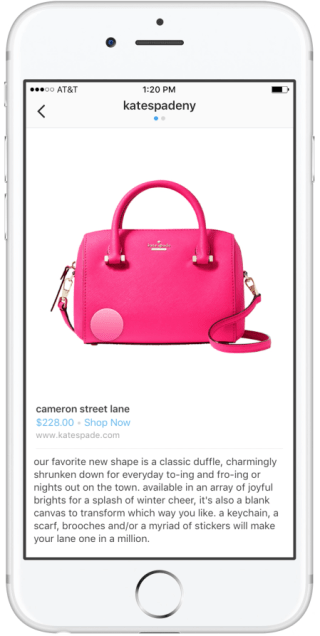 You can think of shoppable photos as Facebook Instant Articles for products. Since the product pages load inside Instagram, they show up quicker than immediately getting booted to a browser. And if the details don’t entice a shopper, they can swiftly tap back to their beloved feed.
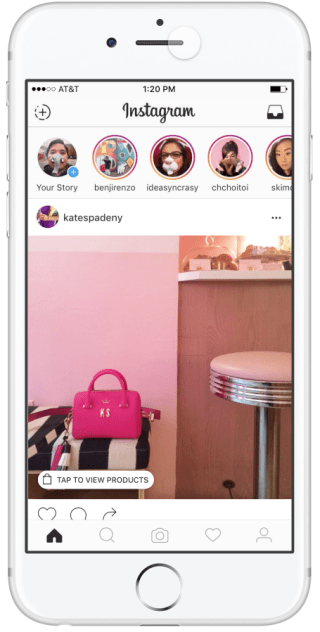 Thanks to shoppable tags, brands won’t have to resort to clumsy “check link in bio” captions on their photos, since Instagram doesn’t allow links in organic posts, and only lets profiles include a single URL. The full list of test launch partners is Abercombie&Fitch BaubleBar, Coach, Hollister, JackThreads, J.Crew, Kate Spade, Levi’s Brand, Lulus, Macy’s, Michael Kors, MVMT Watches, Tory Burch, Warby Parker, and Shopbop.