Growth in emerging markets to fall to decade low
IMF cuts forecasts in almost every region as it predicts second-weakest year since 2002
Emerging market economic growth will fall to its weakest level since the height of the global financial crisis this year, according to the IMF, in a big cut to its forecasts.
Full year emerging market-wide growth is projected to come in at 4.1 per cent, a decade low and the second-weakest figure since the dotcom bust of 2002, rather than the 4.4 per cent the IMF pencilled in as recently as April.
The gloomy forecast is just the latest in a series of swingeing downgrades by the Washington-based body. In October last year it projected emerging market growth of 4.7 per cent in 2019, while in April last year its forecast for the current 12 months was a rosy 5.1 per cent.
They come amid rising concerns about the future of globalised supply chains and weakening productivity growth in the developing world, which are calling into question the logic for investing in emerging economies.
The downward revisions in the IMF’s quarterly World Economic Outlook update are concentrated almost entirely in the developing world. Growth has been revised up a fraction in advanced countries, to 1.9 per cent, but down a notch in the world as a whole, to 3.2 per cent.
With the exception of emerging Europe, growth forecasts have been cut in every region of the developing world, led by a dramatic slump in Latin America and the Caribbean, where output is now expected to expand by just 0.6 per cent this year, less than half the 1.4 per cent pace projected three months ago and barely a fifth of the 2.8 per cent rate forecast in April 2018.
The IMF cited “uncertainty” about pension and other structural reforms in Brazil, “policy uncertainty, weakening confidence and rising borrowing costs” in Mexico and economic contraction in Argentina for its deepening pessimism.
Likewise the region encompassing the Middle East, north Africa, Afghanistan and Pakistan is expecting to chalk up lacklustre growth of just 1 per cent, rather than 1.5 per cent, a far cry from the 3.7 per cent envisaged in April last year.
The prime driver is Iran, which is projected to contract at an even faster pace than the 6 per cent decline forecast in April, amid a tightening of US sanctions.
Forecasts have also been shaved for the Commonwealth of Independent States, in the wake of Russia’s economy contracting 0.4 per cent in the first quarter, and sub-Saharan Africa, where South Africa suffered a disastrous annualised 3.2 per cent quarter-on-quarter contraction in the March quarter as strike activity and blackouts hit the mining sector and agricultural output also fell.
Emerging Asia, the powerhouse of the developing world, is likely to hold up better, however, despite China being engulfed in a deepening trade war with the US.
Even though the IMF has trimmed its growth forecasts for China, India and south-east Asia, emerging Asia as a whole is still seen expanding by 6.2 per cent this year, just a tenth of a point below its April projection.

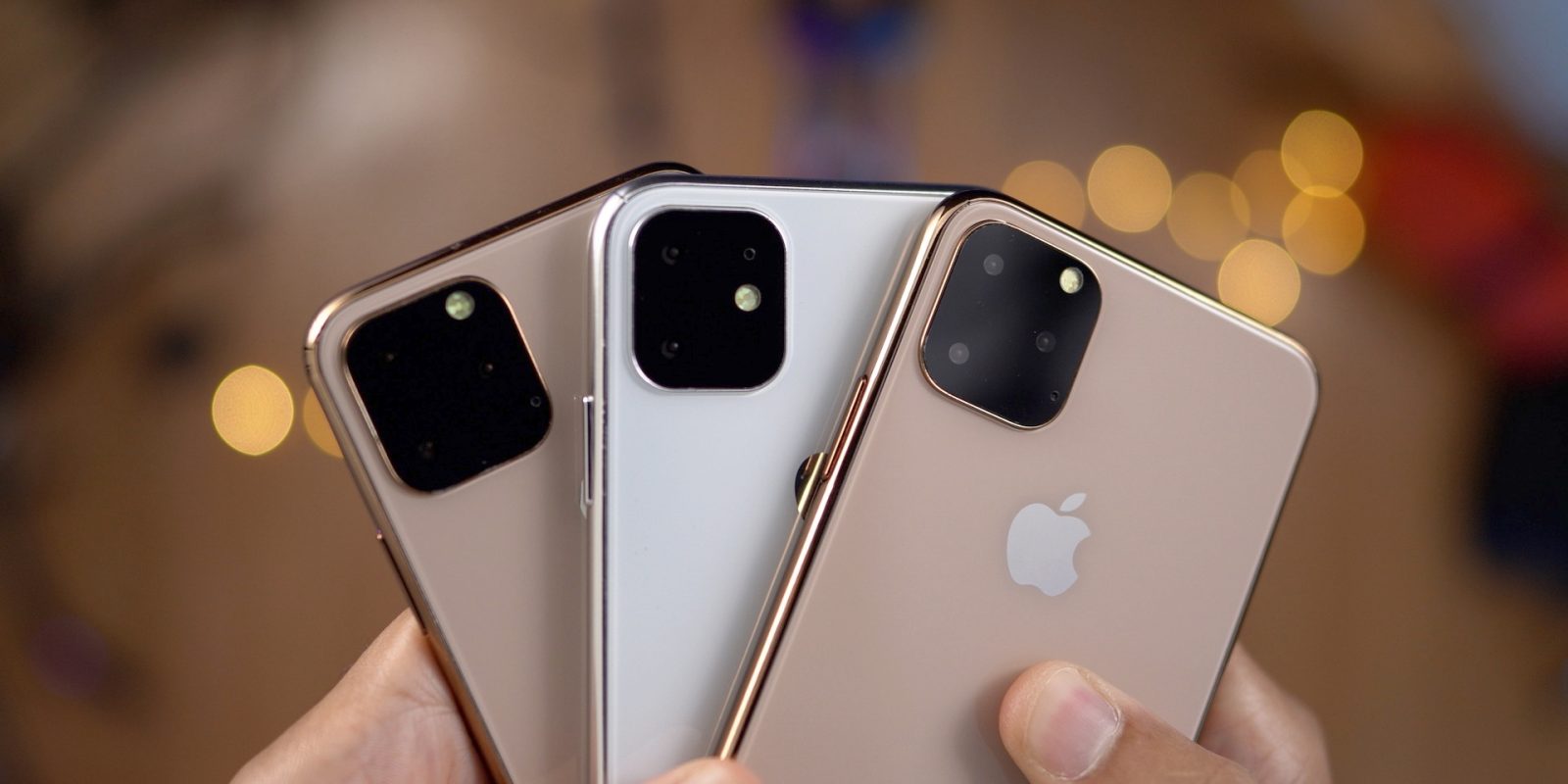
Yesterday I received a special package in the mail from China. The package contained three new iPhone 11 dummy models representing Apple’s upcoming iPhone lineup.
Included inside the package were dummy models of the upcoming iPhone 11, iPhone 11 Max, and iPhone 11R. Watch our hands-on video walkthrough as we explore these well-made mockups.
The most obvious difference between the current-generation iPhone lineup and the iPhone 11 is the camera module. It’s no secret that Apple plans on transitioning its lineup to a square camera module on the rear of the iPhone, and these models do a great job of showcasing what such a setup will look like.
The baseline iPhone 11 will feature a triple camera array on its new rear-facing square camera module, as will the larger iPhone 11 Max. The iPhone 11R, on the other hand, graduates from a single camera to a new dual-camera module.
iPhone 11 dummy models video walkthrough
Despite having just two cameras, the iPhone 11R will sport a similar square camera module as the more expensive models with triple-camera setups. If nothing else, such a design decision will help maintain a uniform look across the lineup.
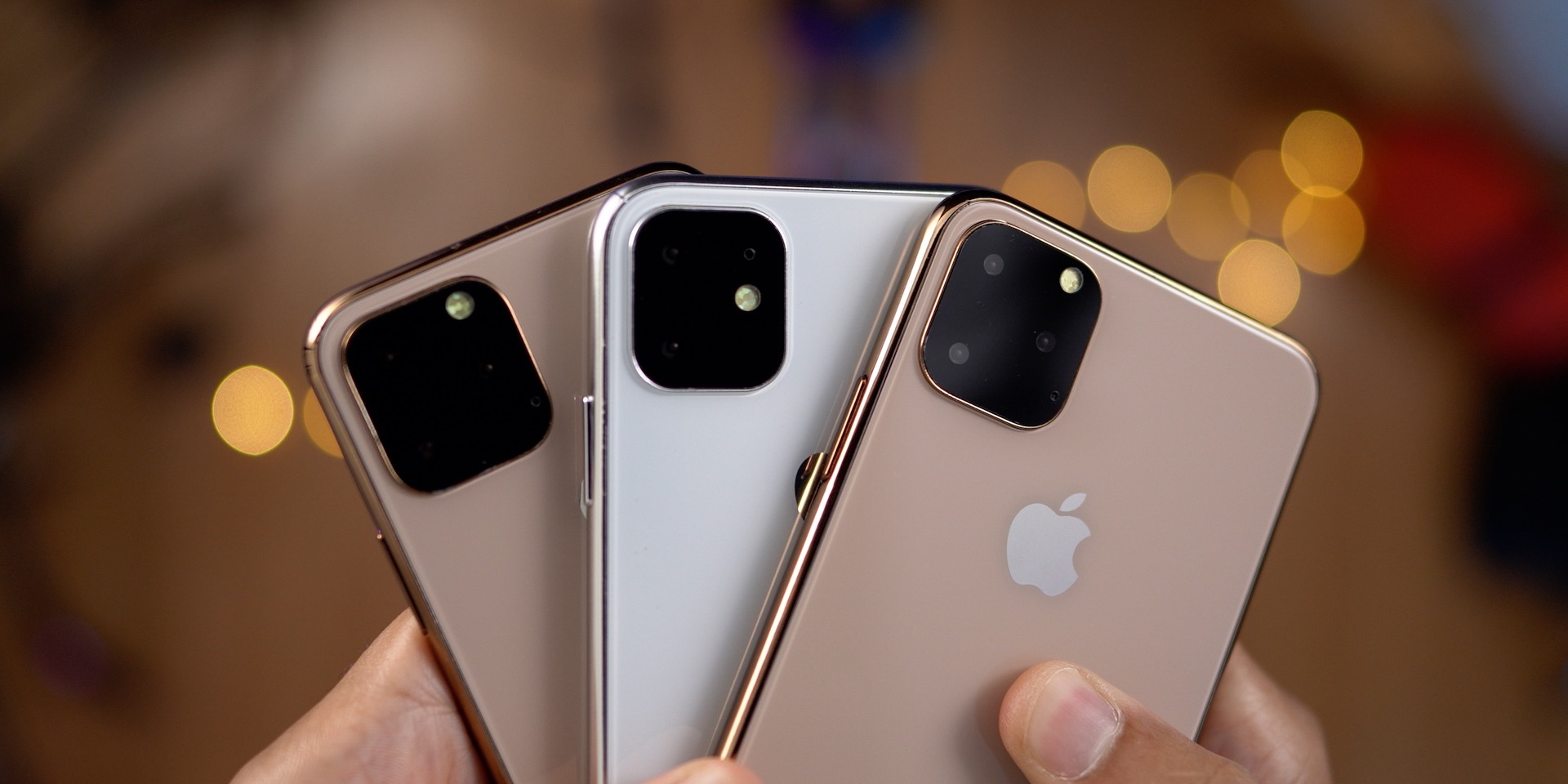
As we noted in our recent hands-on with a prototype iPhone 11 case, the alignment for the Side and Volume buttons appears to be slightly modified on the next-generation iPhones. I tested the dummy models inside the cases, and they fit like a glove.
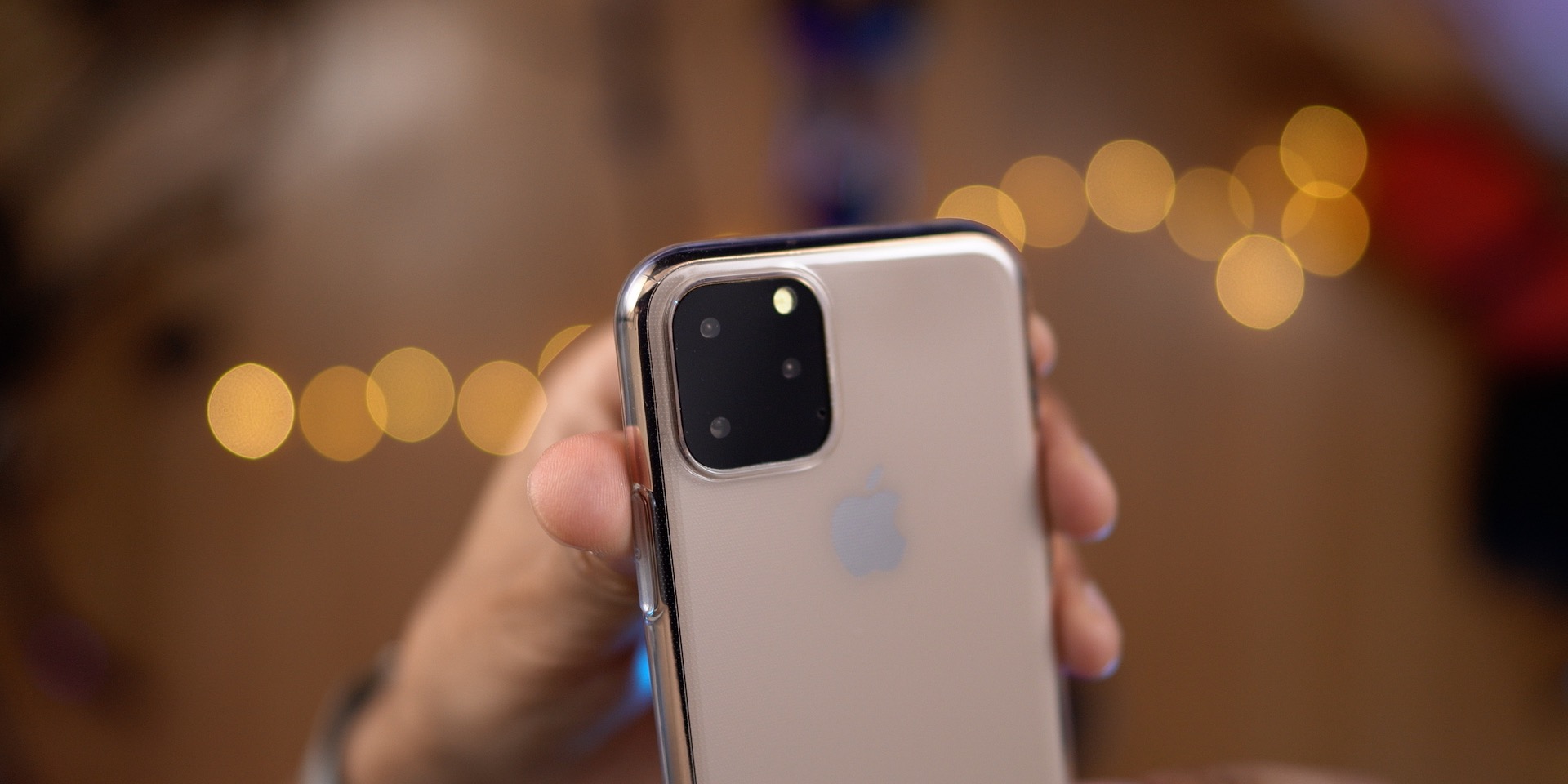
I was extremely skeptical about the look of the square camera module when it was first hinted about, but now that I’ve gone hands-on with these mockups, the design doesn’t offend me as much as I thought it might. It’s far from what I would call pretty, but it doesn’t stick out like the sore thumb I expected it to.
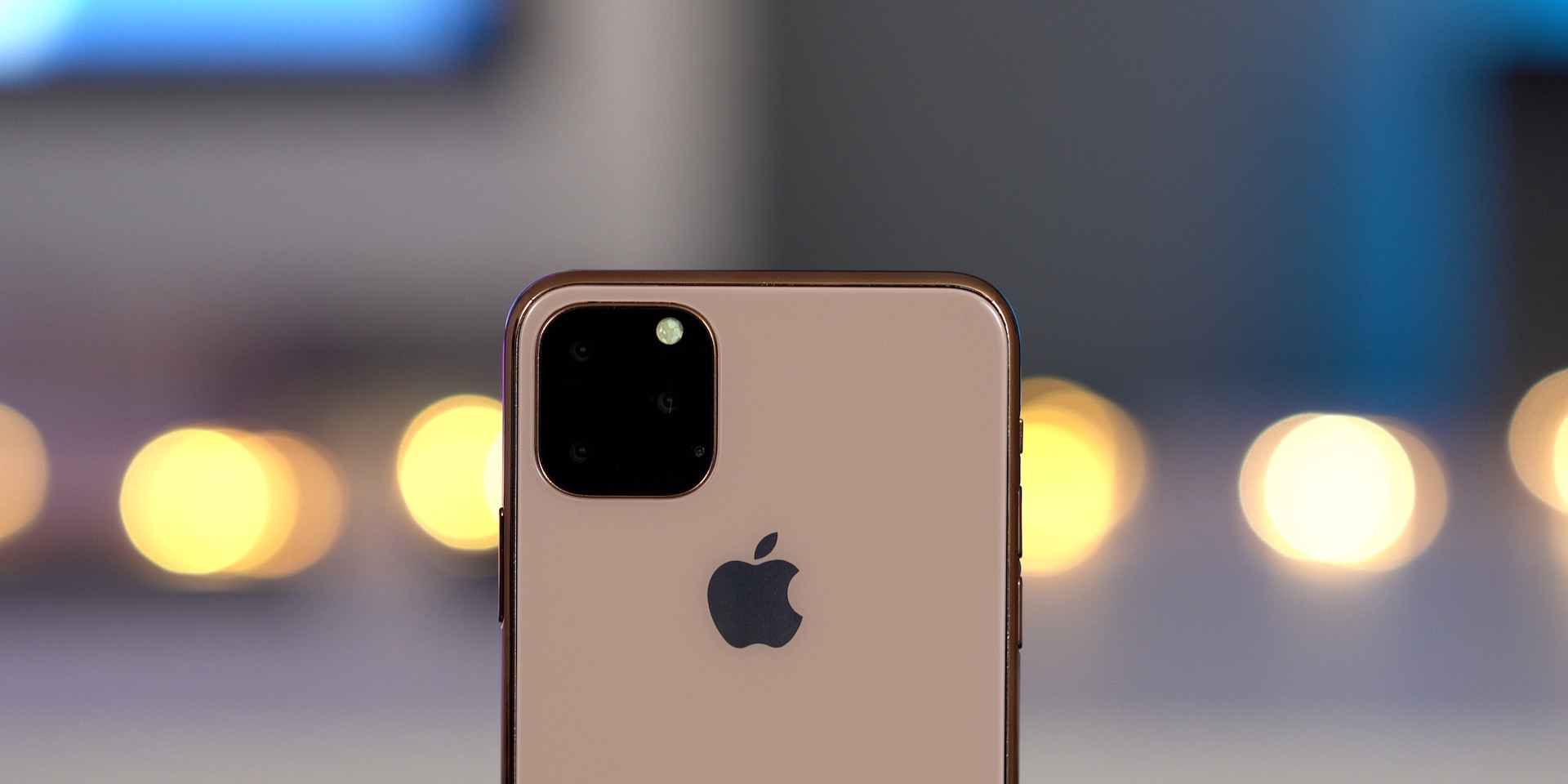
Although there’s still much to learn about the upcoming iPhone from a marketing perspective — for instance, how exactly will Apple utilize that extra camera in the software? — this gives us a great hands-on look at what’s to come. Barring anything out of the ordinary, this should be similar to what we see revealed on stage come September.
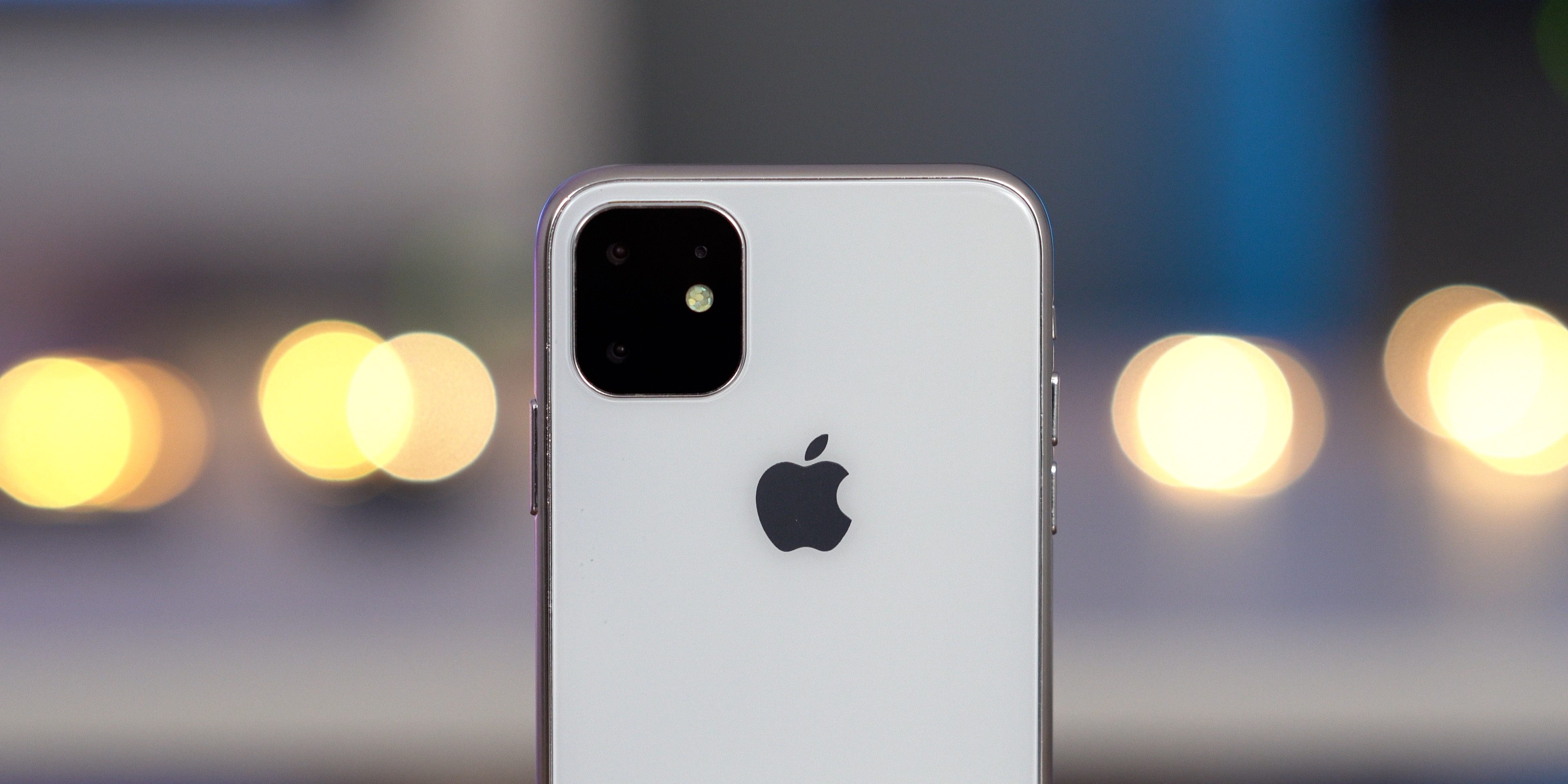
What do you think about the look of the iPhone 11? Do you like the square camera module? Sound off in the comments with your thoughts. Special thanks to Sonny Dickson for helping 9to5Mac acquire these iPhone 11 dummy models.
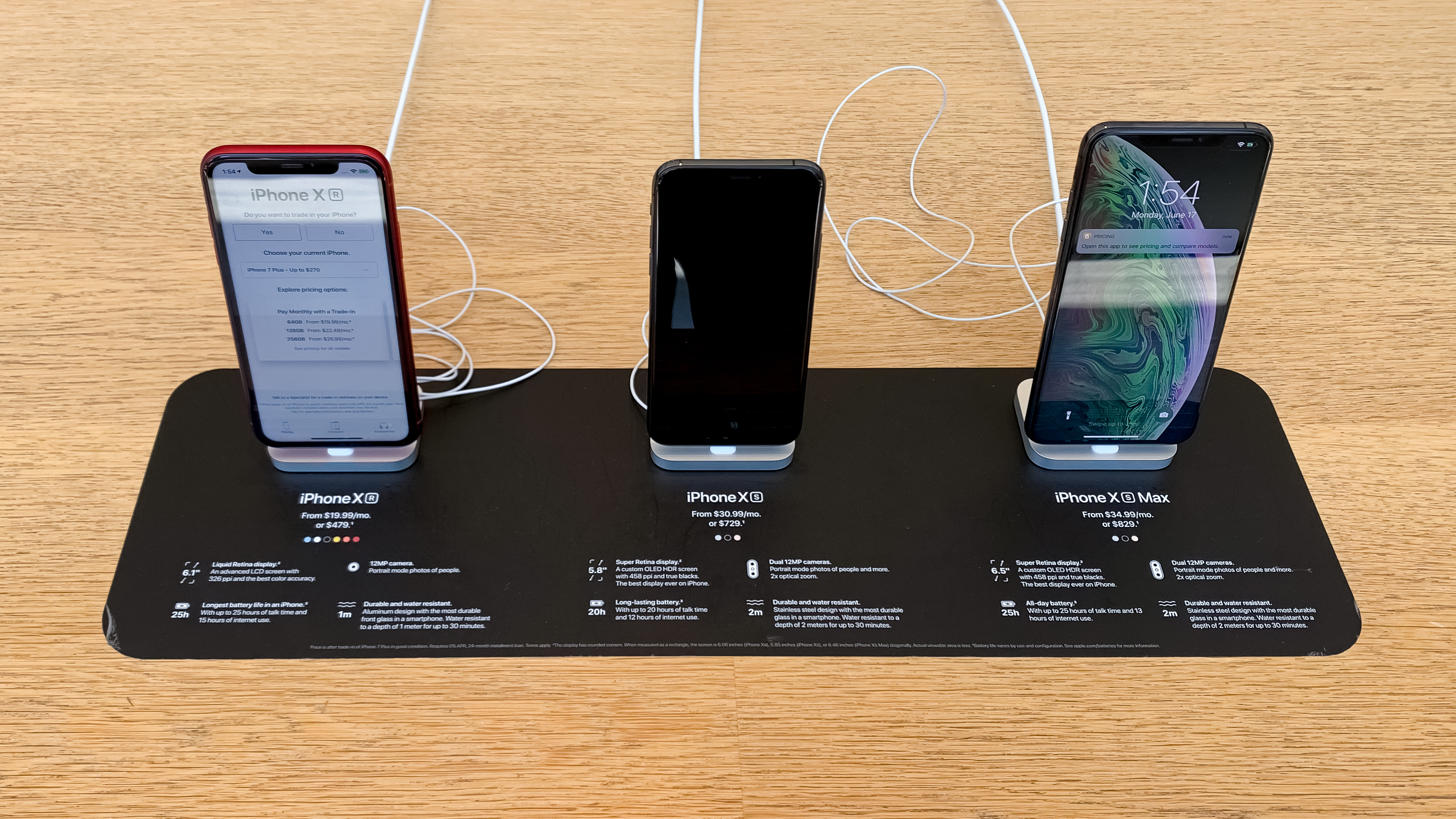
Similar to last year’s introduction of the iPhone XS, iPhone XS Max, and iPhone XR, Apple will release three new ‘iPhone 11’ models this fall. The new iPhones will feature the Apple A13 chip, internally known by its platform codename Cebu, model T8030.
According to people who’ve seen the devices, all three iPhone 11 models will still feature a Lightning port, contrary to some speculation that they would be moving to USB-C after the change on iPad Pro last year.
The ‘iPhone 11’ models are known as D42 (iPhone12,3) which will replace the iPhone XS; D43(iPhone12,5) which will replace the iPhone XS Max; and N104 (iPhone12,1) which will replace the iPhone XR. D42 and D43 will have a 3x OLED Retina display, while N104 will still feature the 2x Liquid Retina display just like the current generation. All three iPhones will feature the same screen resolution as their predecessors.
‘iPhone 11’ Taptic Engine
This year’s models will also feature a new type of Taptic Engine, known by the codename leap haptics. It’s unclear what types of features this new engine will enable at this point, but it’s possible that it’s geared towards improving Haptic Touch since the new devices won’t feature 3D Touch as we know it today.
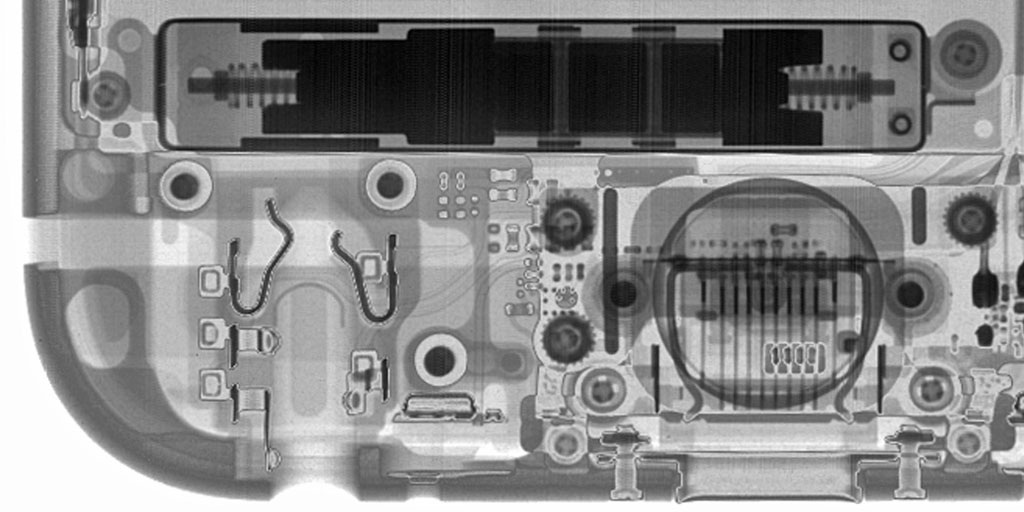
iPhone 6s internals
Apple has not been able to include 3D Touch in any iPad model since it debuted with the iPhone 6s. iOS 13 brings Haptic Touch – which requires a slightly longer press – to all devices including iPad and iPod touch. The changes introduced with iOS 13 and the hardware improvements made to this year’s devices should allow for the removal of 3D Touch without causing too much disruption to users who are accustomed to it.
Camera tech
The devices replacing the iPhone XS models will feature three cameras on the back contained within a square. Our sources share that it looks very similar to the many mockups that have been circling around. This extra space will be occupied by a camera capable of capturing a wide-angle imageas Bloomberg first reported.
Besides being used as a creative option for pictures and movies, this wide-angle ‘iPhone 11’ camera will enable a feature called Smart Frame, which captures the area around the framed area in pictures and videos so that the user can adjust the framing or perform automatic perspective and crop corrections in post. The extra information will be retained for a limited period of time and discarded automatically afterwards, for privacy reasons.
The front-facing camera on the ‘iPhone 11’ will also be upgraded, adding support for slo-mo recording at 120fps.

Apple is expected to unveil ‘iPhone 11’ at its special fall event in September.
Bird is raising a Series D round led by Sequoia at $2.5 billion valuation
Bird is raising a Series D round led by Sequoia Capital at a $2.5 billion valuation, TechCrunch has learned. Sources, however, did not indicate the size of the round.
This round follows reports from The Information that Bird was looking to raise $200 million to $300 million by the end of this summer, at a post-money valuation of more than $2.3 billion.
Bird declined to comment on the funding round, saying it does not comment on rumors or speculation.
Sequoia Capital previously led Bird’s $300 million Series C round back in June, with Roelof Botha joining Bird’s board at the time. Sequoia declined to comment on the round, but Botha did say the Bird team “exemplifies grit.”
“What they’ve accomplished in achieving both rapid growth and strong unit economics is rare for a company this complex and so early on,” Botha said in an email to TechCrunch. “Bird’s innovation across a spectrum of disciplines to achieve operational excellence at scale, including hardware design and manufacturing, vehicle maintenance and repair, optimization of Bird charging and deployment, and city-level regulatory affairs is unparalleled.”
Last week, Bird CEO Travis VanderZanden said Bird has positive unit economics on its new Bird Zero scooters, which accounts for more than 75% of its fleet. But based on one of the images VanderZanden tweeted, it seems that figure is based on a period of four weeks in the summer when scooter ridership is likely higher.
In June, Bird acquired Scoot in a deal worth less than $25 million. That acquisition marked Bird’s first expansion into traditional bicycles and mopeds. Shortly before that, Bird unveiled a two-seater hybrid bike/moped vehicle called the Bird Cruiser. In addition to offering shared vehicles, Bird is also selling scooters directly to consumers.
Prior to this round, Bird had already raised more than $400 million in funding and reached a valuation of $2 billion last June.
*An earlier version of this story said the round had closed. Bird, however, is still finalizing the round with Sequoia. We regret the error.