Silicon Valley’s Favorite Alternative Energy Drinks
Cupboards in tech land are increasingly cluttered with brands promising to deliver Red Bull–style jolts through ingredients like ketones, paraxanthine and L-theanine.
The Takeaway
Red Bull? So passé. A shelf full of alternative energy drink brands have become popular that promise healthier ingredients:
- • Brez
- • Ketone-IQ
- • Rarebird Coffee
- • Clean Simple Eats
- • Magic Mind
In Silicon Valley, cutting back on booze has been in vogue for a while. Now the tech elite is going cold turkey on something else: traditional energy drinks like Red Bull and 5-Hour Energy.
That’s led to a fresh wave of beverage startups selling elixirs that purport to give an animating jolt to the system but with starkly different ingredients than the drinks that have long crowded grocery store coolers. “It’s very clear to me—to a lot of people in the industry—that caffeine plus sucralose in a can is done,” said Michael Brandt, co-founder and CEO of Ketone-IQ, referring to common artificial sweetener. His Ketone-IQ has attracted investors like Andreessen Horowitz and Zynga billionaire Mark Pincus for its ketones-based drink. “The market isn’t asking for more of that.”
If Brandt’s company and the others on our list below can get everyone guzzling their products, they’ll almost certainly line themselves up as attractive acquisitions for bigger drink companies. Those larger rivals have been thirsty lately: Late last year, Keurig Dr Pepper said it would pay $990 million for a majority stake in energy drink and supplement brand Ghost, and in February energy drink maker Celsius bought rival Alani Nu for $1.7 billion.
Brez, a brand of THC-infused drinks, is fast growing and launched two new energy drinks this month. (Yes, it promises the same thing as a Four Loko: an upper and a downer together.) Amplify, a watermelon lime flavor, has 80 milligrams of caffeine, as well as 5 milligrams of THC and 5 milligrams of CBD, while Elevate, a strawberry mango flavor, is THC and CBD free.
Brez and other THC-infused drink brands have grown quickly since the 2018 legalization of hemp, which contains the same active ingredient as cannabis but at a lower dose. Brez, which launched sales in 2023, is profitable, founder Aaron Nosbisch has said, and is aiming to do around $50 million in total sales this year. That growth will in part be powered by more THC-free versions of its drinks like Elevate that can be sold in typical grocery stores—a key battleground for expansion, since the THC drinks have to be sold online or in liquor stores.
($48 for eight cans of THC-infused drinks, $40 for eight cans of THC-free drinks; available at drinkbrez.com, Amazon and Sprouts.)
Ketone-IQ
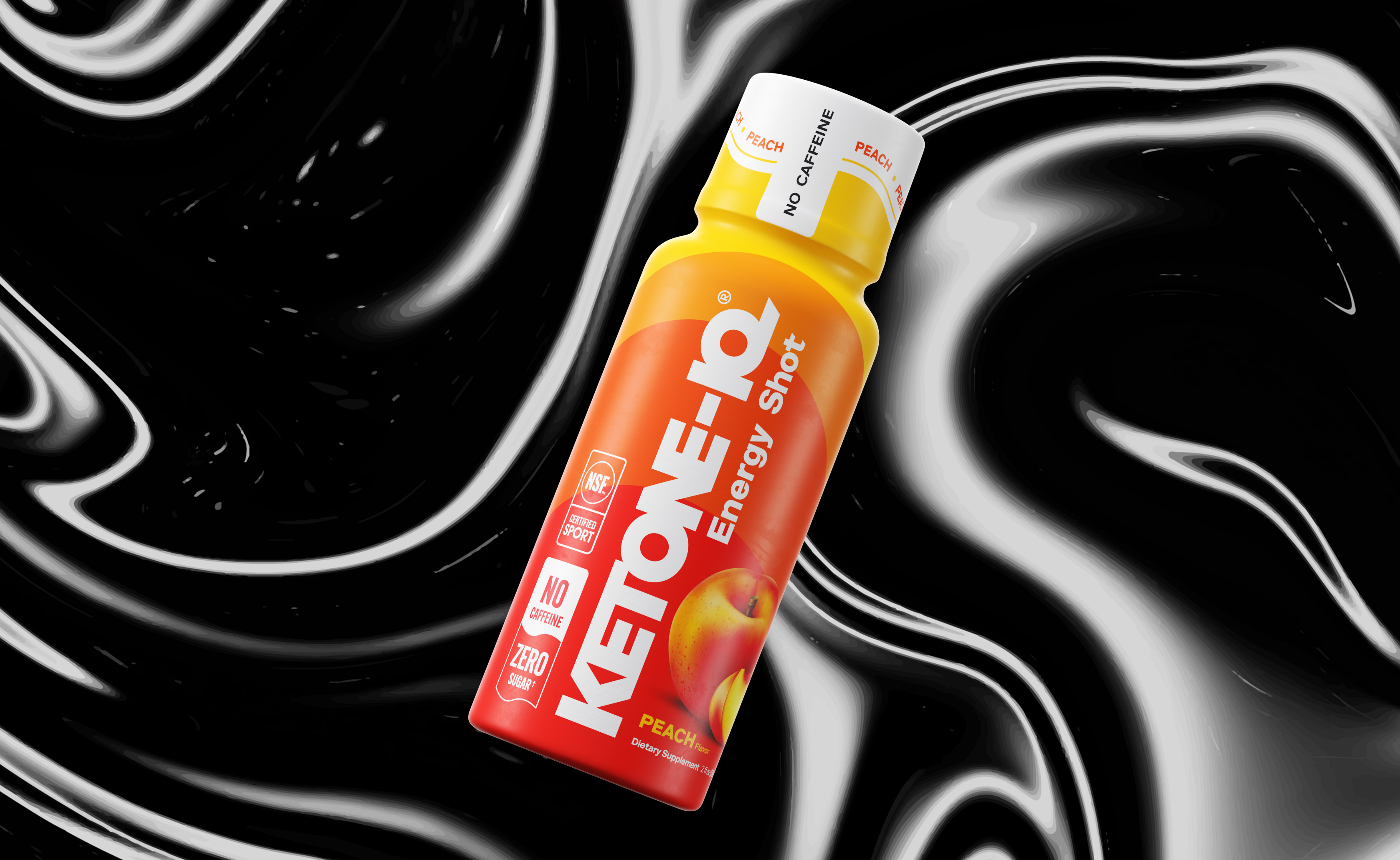
Ketone-IQ co-founder and CEO Michael Brandt first started thinking about energy in the human body when he picked up marathoning as a hobby while working at Google and YouTube in the early 2010s.
Around the same time, keto diets were catching on. Brandt started wondering if there was a way to isolate the ketones that the body produces when it’s burning fat for energy instead of glucose and quickly consume them as a more efficient alternative to caffeine.
After winning a Defense Department contract to research and develop an energy supplement for U.S. Special Forces in 2019, Brandt’s company used that research to launch its line of drinks, which come in 2-ounce bottles. They were expensive at first, which limited sales to Tour de France cycling teams and other elite athletes. As the technology for manufacturing ketone molecules through fermentation improved, Brandt could price the beverage more affordably.
He thinks the brand’s rise is connected to an overall increase in health and wellness and the proliferation of fitness-tracking gadgets, like Whoop bracelets and Oura rings—the “API-ification of the human body,” as Brandt put it. “It’s the norm in my circle: I think everyone’s kind of nerding out on human performance.” Brandt hopes to expand to selling ketones to other companies. “Ketone is going to be as big as electrolytes or protein,” he said. “It starts being an ingredient that we can supply.”
($120 for 24 bottles; available at ketone.com, Amazon, The Vitamin Shoppe, Sprouts, H-E-B and Wegmans.)
Rarebird Coffee
Caption
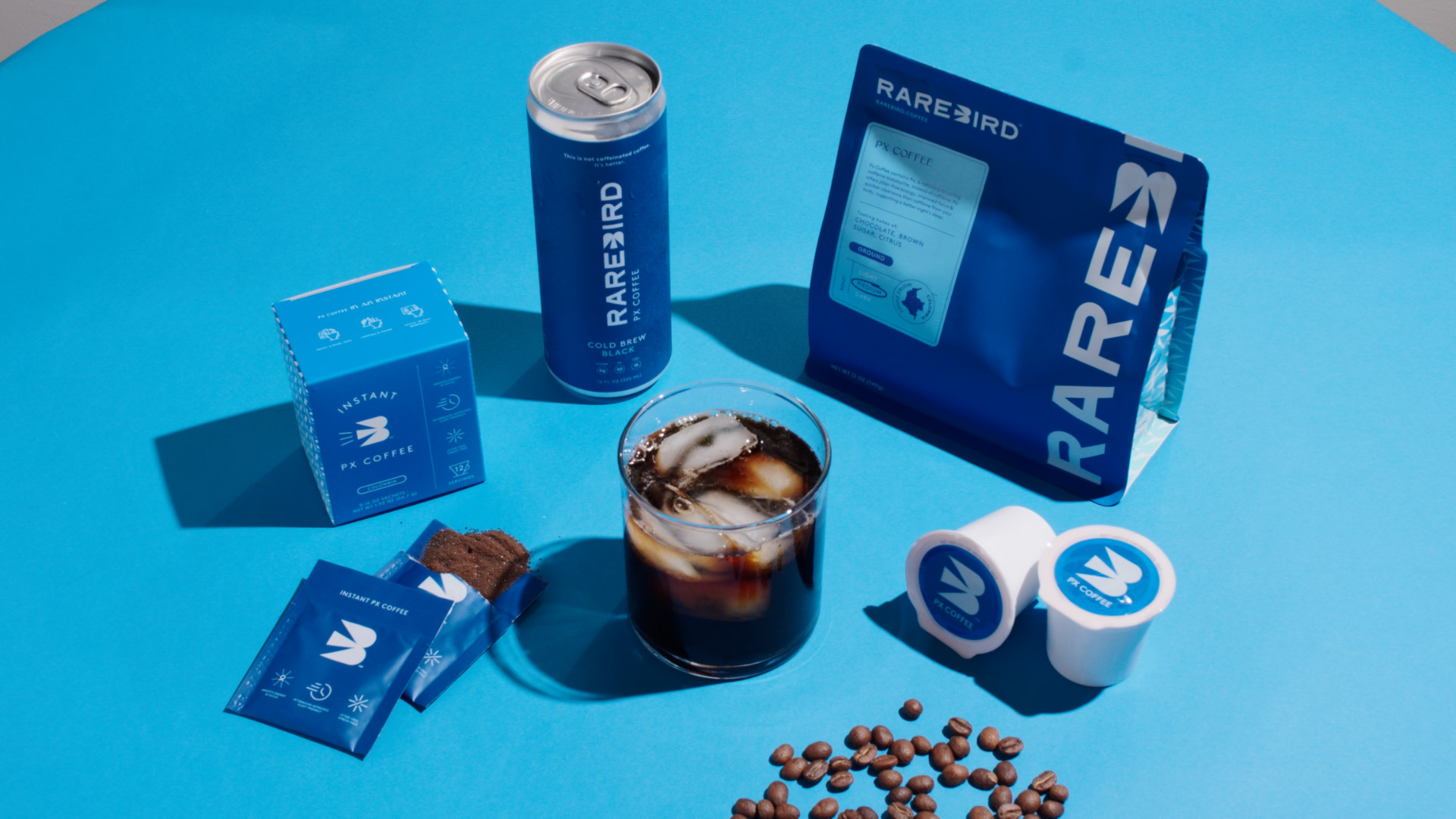
Rarebird may look like ordinary coffee, but it definitely isn’t. Rather than containing caffeine, it provides paraxanthine, the molecule created by the liver when it metabolizes caffeine. The brand says it has similar effects to caffeine without spiking stress hormones, which can cause anxious and jittery feelings.
Rarebird was founded by Jeffrey Dietrich, who holds a doctorate in bioengineering from the University of California, Berkeley. (Before founding Rarebird, Dietrich co-founded Lygos, a biotech that develops natural alternatives to petroleum-based chemicals like fertilizer additives and cleaning products.) When he initially researched caffeine and possible alternatives, he quickly landed on paraxanthine, or PX for short, as a potential substitute.
“There’s literature going back to the 1950s, ’60s, ’70s, ’80s that really suggested that paraxanthine had qualities that were far superior to caffeine and still gave you the stimulatory alertness that people want,” Dietrich said.
Dietrich says his scientific background has helped the brand combat the “snake oil” sales tactics he thinks pervade many beverage and supplement brands. “What we’ve been really trying to do is approach this from the scientific perspective.”
($40 for 24 coffee pods, $30 for a 12-ounce bag of ground coffee; available at rarebird.coffee and Amazon.)
Clean Simple Eats
Clean Simple Eats was founded by JJ and Erika Peterson, a husband-and-wife duo, in 2015. The company offers a wide range of items—from protein powders to flavored nut butters. But the “clear protein” canned energy drinks and sodas it introduced last year are what’s become a viral hit on TikTok and Instagram lately. The drinks, which come in flavors like Blizzard Berry and Sun-Kissed Peach, pair 20 grams of whey protein with 100 milligrams of caffeine. Clean Simple Eats has capitalized on its online popularity by expanding retail into some Target stores in April. And it’s attracting some competition: Rival startup Don’t Quit will roll out a protein soda in July.
($32 for a variety pack of eight 16-ounce cans; available at cleansimpleeats.com, Amazon, Target and The Vitamin Shoppe.)
Magic Mind
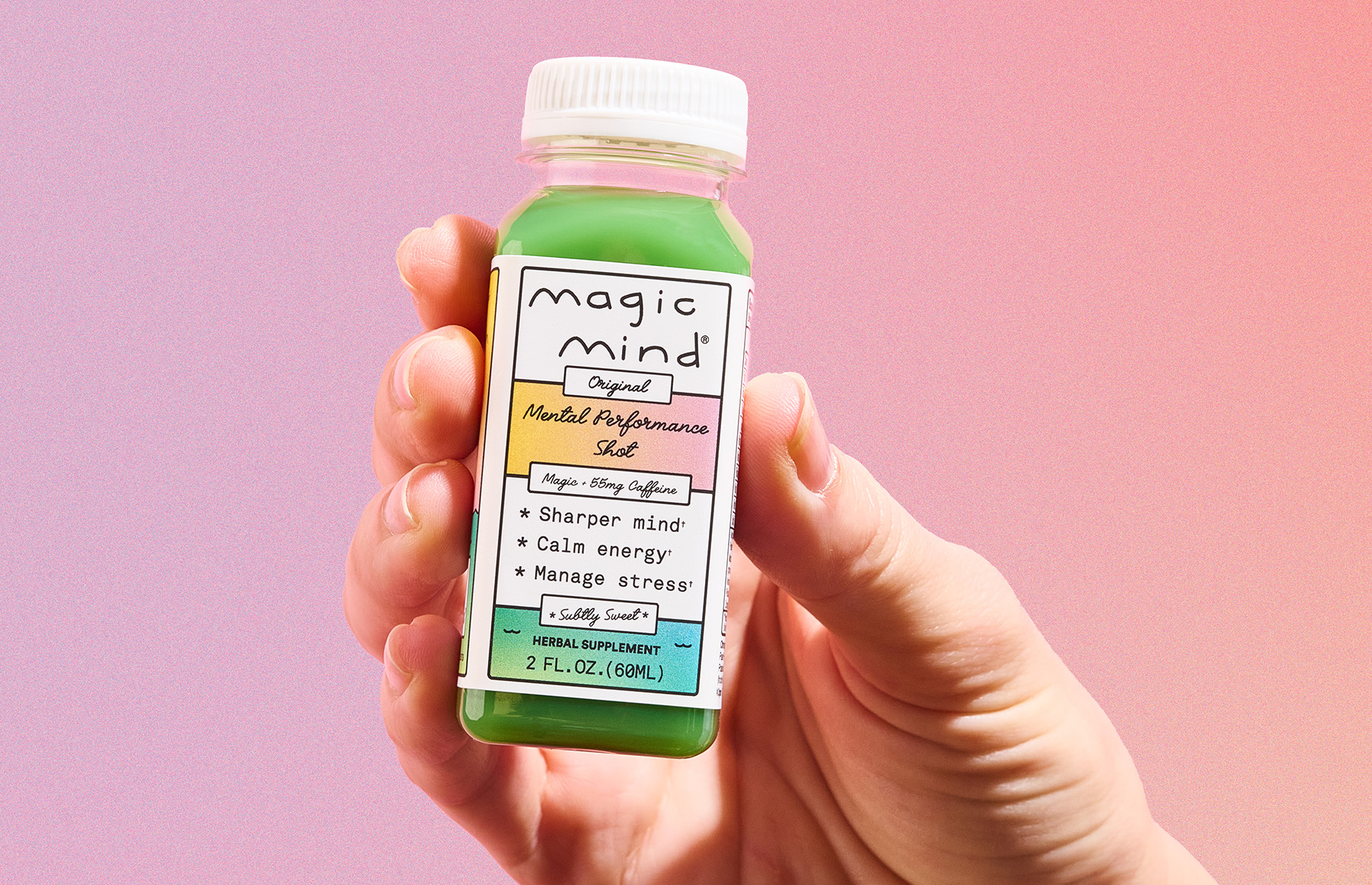
Magic Mind, a line of “mental performance shots,” says its blend of 55 milligrams of caffeine and other ingredients like turmeric and L-theanine helps boost focus and energy. The brain spark for Magic Mind came to founder James Beshara after he sold his payments startup, Tilt, to Airbnb in 2017 and a doctor told him he needed to cut down on caffeine. The physician suggested L-theanine as a way to extend the impact of the limited caffeine he still consumed, and Beshara began researching other supplements and ingredients that could help with energy and focus.
At Airbnb, he developed a reputation as a supplements guru and handed out samples of an early version of Magic Mind around the office that his co-workers knew only as “James’s Magic Potion.” It became so popular at the company that Beshara recruited William Hicks, a former investment banker and early employee at another food startup, Brami, to help run the business, and the pair launched sales in March 2020.
The company’s primary customer base is still Silicon Valley employees and other white-collar workers looking for ways to focus on work without feeling strung out—craving what Hicks calls a “ticket to flow state.” Meanwhile, the company’s caffeine-free gummies are popular with parents and their young kids.