Inside Isis Inc: The journey of a barrel of oil
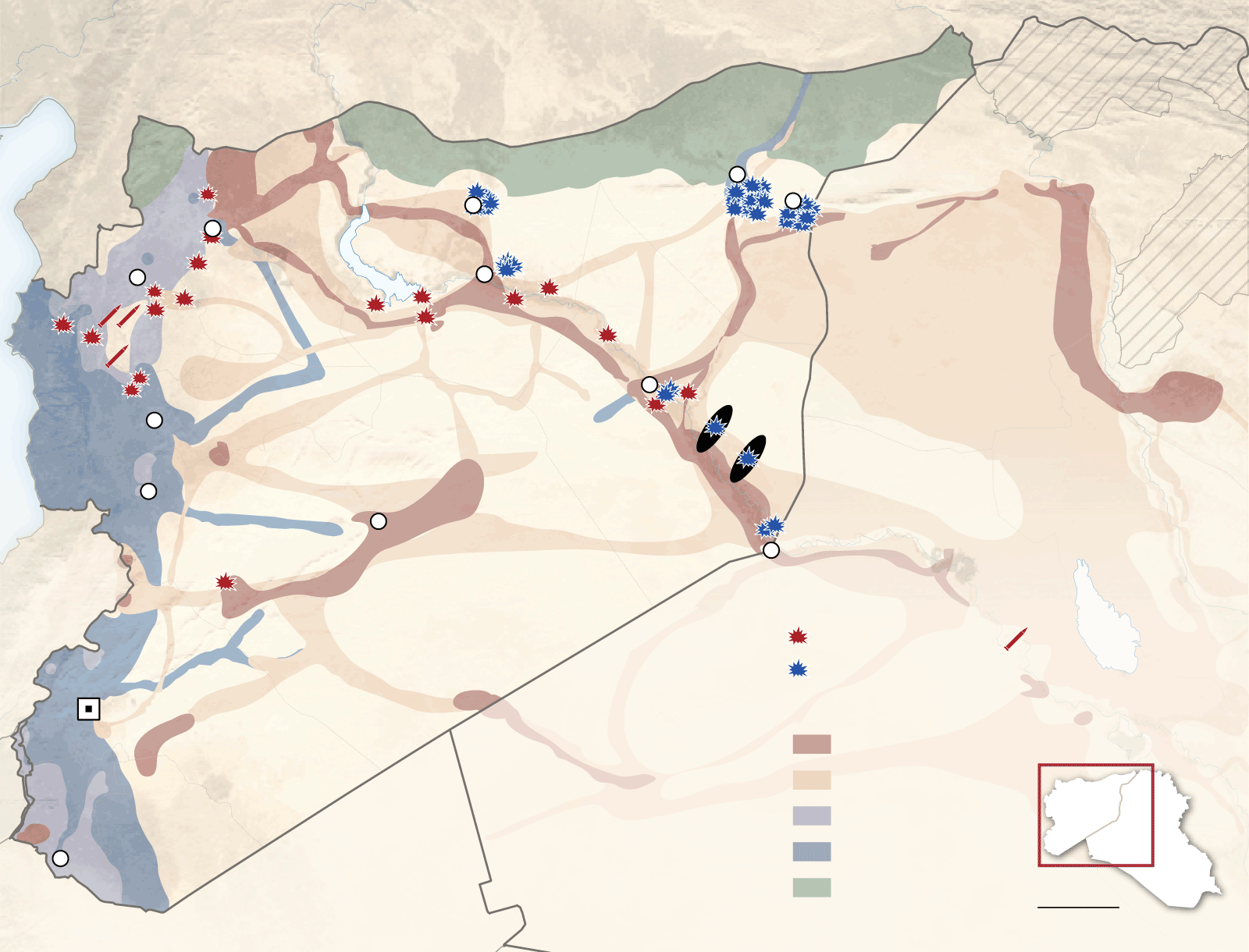
Territorial controlIsis controlTURKEYIsis supportRebel-heldMosulSinjarSyrian regimeKURDISTANREGIONALGOVERNMENTKurdsAleppoRaqqaOil fieldsMobile refineryDeir EzzorOil marketPrimary oil routesSmuggling routeTargeted by
coaltion airtstrikesal-QaimSYRIALEBANONIRANIRAQDamascusBaghdadISRAELJORDAN100kmSAUDI ARABIAIsis controls most of Syria’s oil fields and crude is the militant group's biggest single source of revenue. Here we follow the progress of a barrel of oil from extraction to end user to see how the Isis production system works, who is making money from it, and why it is proving so challenging to disrupt, even with airstrikes.
By Erika Solomon, Robin Kwong and Steven Bernard•UPDATED December 11, 2015
Where the oil is extracted
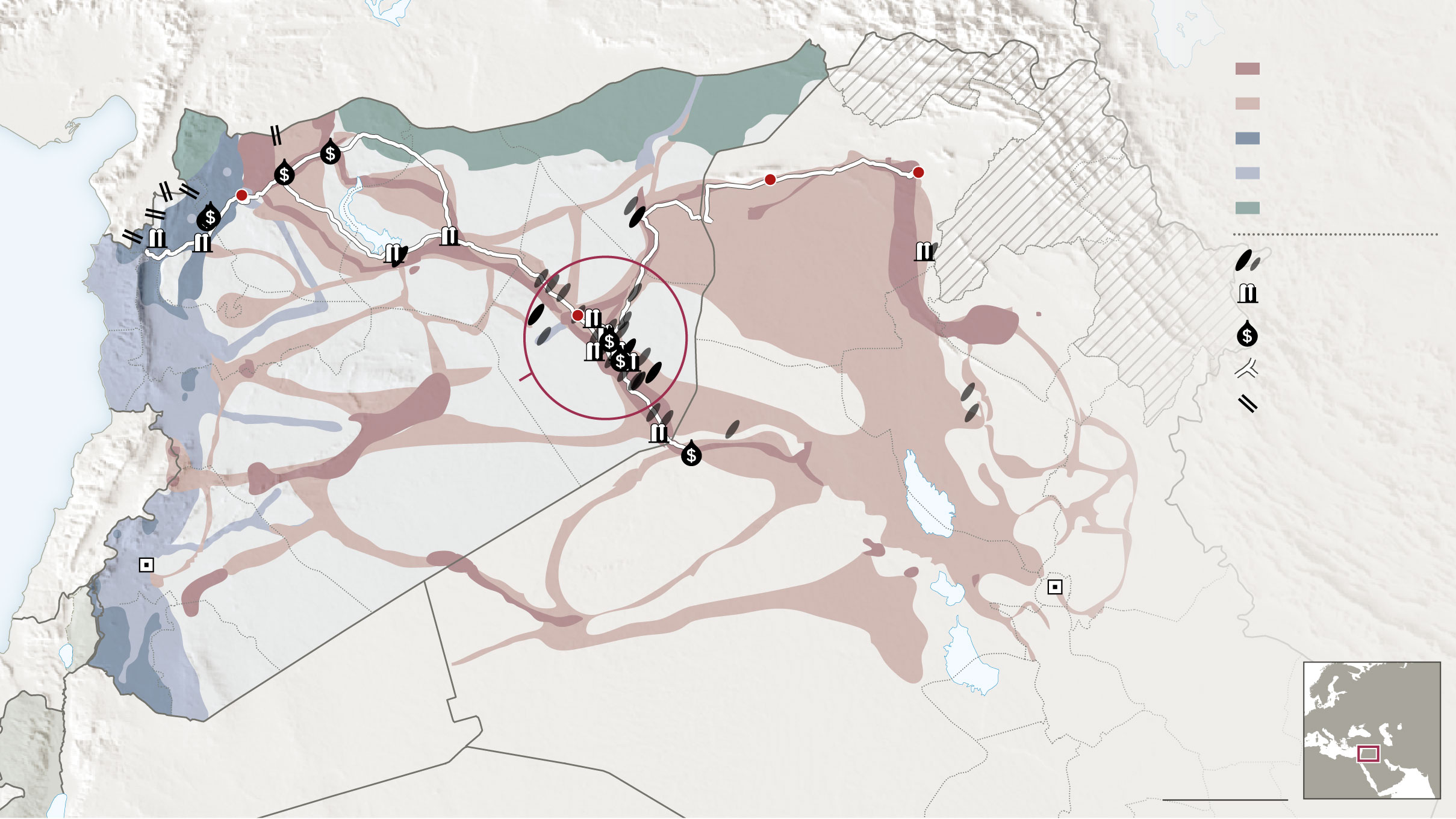
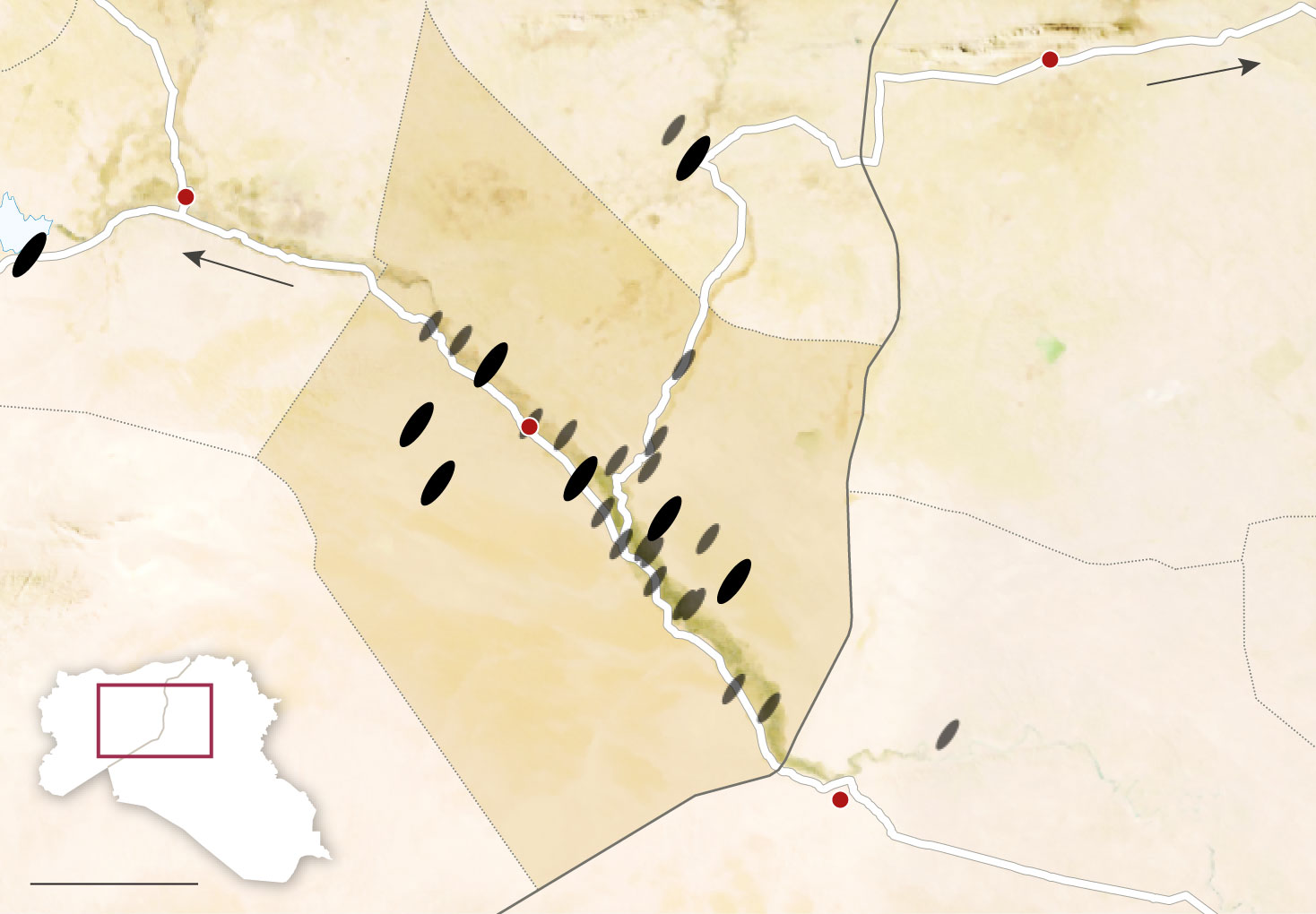
Isis’s main oil producing region is in Syria’s eastern Deir Ezzor province, where production was somewhere between 34,000 to 40,000 barrels a day in October, according to locals. This has since fallen due to coalition and Russian airstrikes against oil facilities. Isis also controls the Qayyara field near Mosul in northern Iraq that produces about 8,000 barrels a day of heavier oil that is mostly used locally to make asphalt.
Sinjar
To Mosul
Raqqa
al-Tabqa
al-Jabseh
To Aleppo
Deiro Field
al-Kharata
Deir Ezzor
IRAQ
al-Omar
al-Shoula
al-Taim
SYRIA
al-Tanak
DEIR EZZOR
SYRIA
IRAQ
al-Qaim
50km
It is difficult to determine a definitive oil production figure for Isis-controlled areas. But it is clear production levels have dropped in the Syrian fields since they were taken over by the militants. Most oil fields in the area are aging and the group does not have the technology or equipment needed to maintain them.
A new air campaign on Isis oil by the US-led coalition started at the end of October and is now more effectively disrupting Isis's crude extraction. Production fell by 30 pct this month at al-Omar and al-Tanak, Isis's two top producing fields and the most targeted by the recent offensive. Up to now, however, it is still likely the most lucrative revenue stream for Isis's central leadership.
The price of the oil depends on its quality. Some fields charge about $25 a barrel. Others, like al-Omar field, one of Syria’s largest, charge $45 a barrel. Overall, Isis is estimated to earn about $1.1m a day.
| Oilfield | Est. production (bpd) | Price ($/barrel) |
|---|---|---|
| al-Tanak | 11,000-12,000 | $40 |
| al-Omar | 6,000-9,000 | $45 |
| al-Jabseh | 2,500-3,000 | $30 |
| al-Tabqa | 1,500-1,800 | $20 |
| al-Kharata | 1,000 | $30 |
| al-Shoula | 650-800 | $30 |
| Deiro | 600-1,000 | $30 |
| al-Taim | 400-600 | $40 |
| al-Rashid | 200-300 | $25 |
Selling crude oil
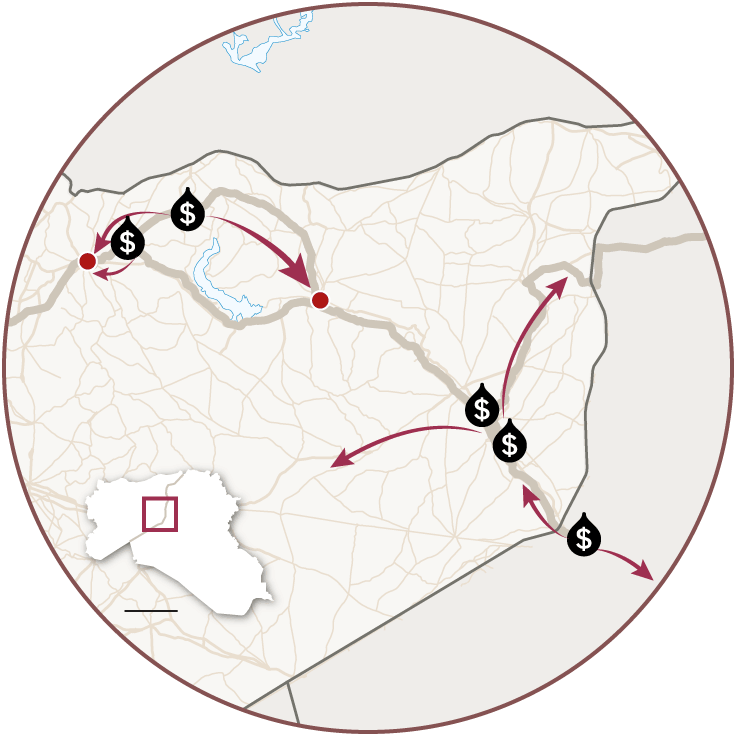
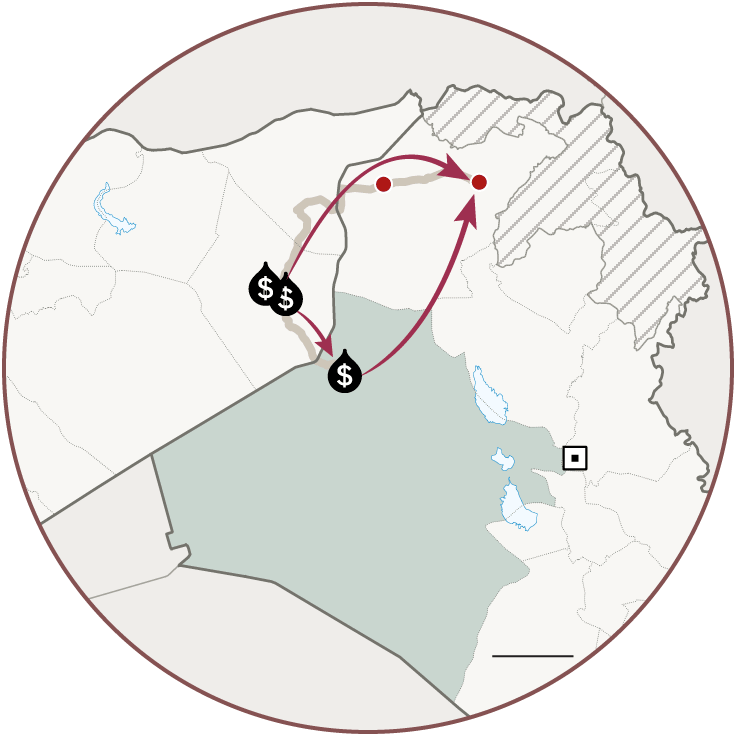
Though many believe that Isis relies on exports for its oil revenue, it profits from its captive markets closer to home in the rebel-held territories of northern Syria and in its self-proclaimed “caliphate”, which straddles the border between Syria and Iraq.
The group sells most of its crude directly to independent traders at the oil fields. In a highly organised system, Syrian and Iraqi buyers go directly to the oil fields with their trucks to buy crude. This used to result in them waiting for weeks in traffic jams that sprawled for miles outside of oilfields. But since airstrikes against oil vehicles intensified, Isis revamped its collection system. Now, when truckers register outside the field and pick up their number in line, they say they are told exactly what time they can return to fill up to avoid a pile-up of vehicles and make a more obvious target for strikes.
Oil refineries
Traders have several options after they pick up their cargo:
- Take the oil to nearby refineries, unload it and return to queue at the field—usually done by traders under contract to refineries.
- Sell their oil on to traders with smaller vehicles, who then send it to rebel-held northern Syria, or east towards Iraq.
- Try their luck selling to a refinery or sell it at a local oil market. The biggest are near al-Qaim on the Syrian-Iraqi border.
Most traders prefer to sell the oil on immediately and pick up a fresh number at the fields. They can expect to make a profit of at least SL3,000 (about $10) per barrel.
Traders in Syria's eastern Deir Ezzor province say coalition airstrikes have not targeted their trucks by as much the coalition claims, and say Russia has targeted them more aggressively. Instead the attacks focused on disrupting the extraction process - hitting around the wells or facilities at the oil fields, as well as Isis vehicles. The goal does not appear to be to hit the actual wells but impede efforts to extract from them.
TURKEY
Mosul
KURDISTAN
REGIONAL
GOVERNMENT
Aleppo
Raqqa
Idlib
Tabqa
SYRIA
IRAQ
TURKEY
Aleppo
al-Qaim
Idlib
Saraqeb
Khsham
Jisr
ash-Shugur
Damascus
Baghdad
SYRIA
al-Muhassan
Mayadeen
al-Tayyaneh
IRAQ
SYRIA
Mobile refineries
Recently bought by Isis
al-Bukamal
al-Qaim
100km
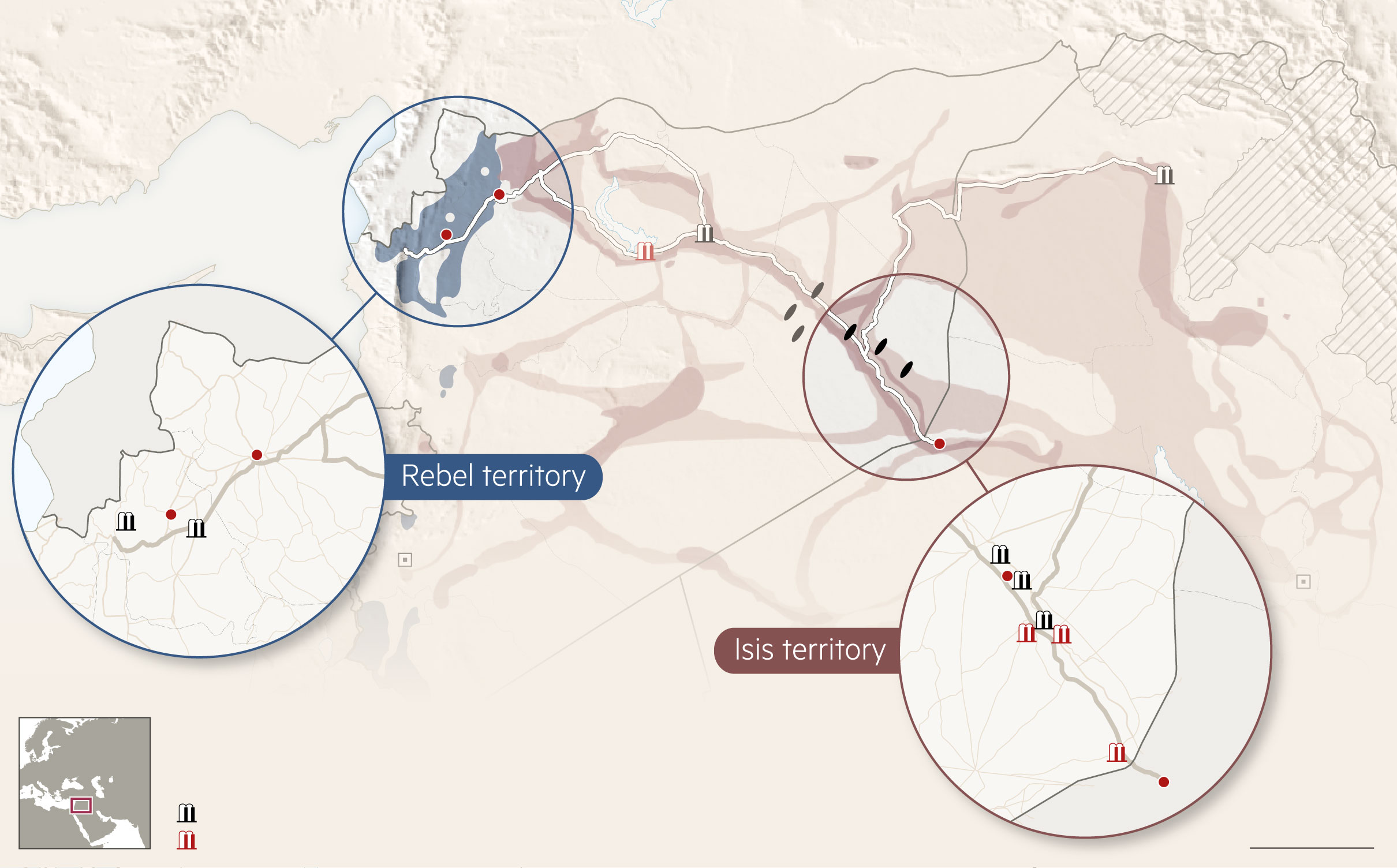
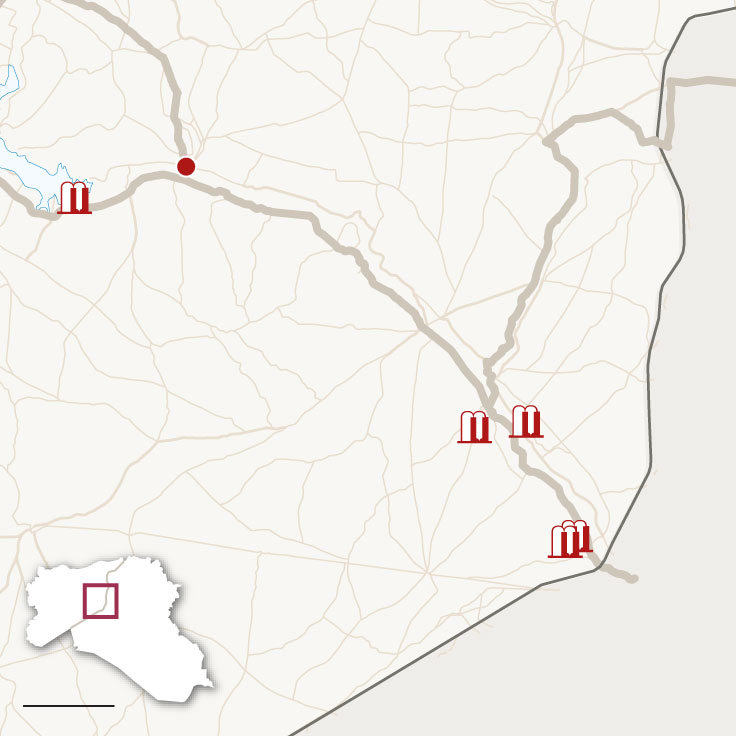
The bulk of oil refineries are in Isis-controlled Syria. The few in rebel-held territories have a reputation for lower quality output than the refineries in the east.
The refineries produce petrol and mazout, a heavy form of diesel used in generators – a necessity as many areas have little or no electricity. Because the quality of the petrol can be inconsistent and is more expensive, mazout is in greater demand.
Refining is done by local residents who constructed their rudimentary refineries after Isis's prefabricated "mobile" facilities were destroyed by coalition airstrikes. The owners make purchase agreements with the militants for their products.
There are also signs that in recent months Isis may have returned to refining. In interviews with traders, the FT discovered the group had bought five refineries since mid-2015.
Raqqa
Tabqa
SYRIA
al-Tayyaneh
Mayadeen
al-Bukamal
SYRIA
IRAQ
IRAQ
40km
At Isis refineries, the former owner stays on as a "front" man. The group supplies the oil; in return it takes all mazout production and splits the profits on petrol production with the original owner.
Traders say Isis has its own tankers that supply crude to its refineries from oil fields regularly. The group also appears to retain many of its earlier contracts with unaffiliated gas stations and other refineries.
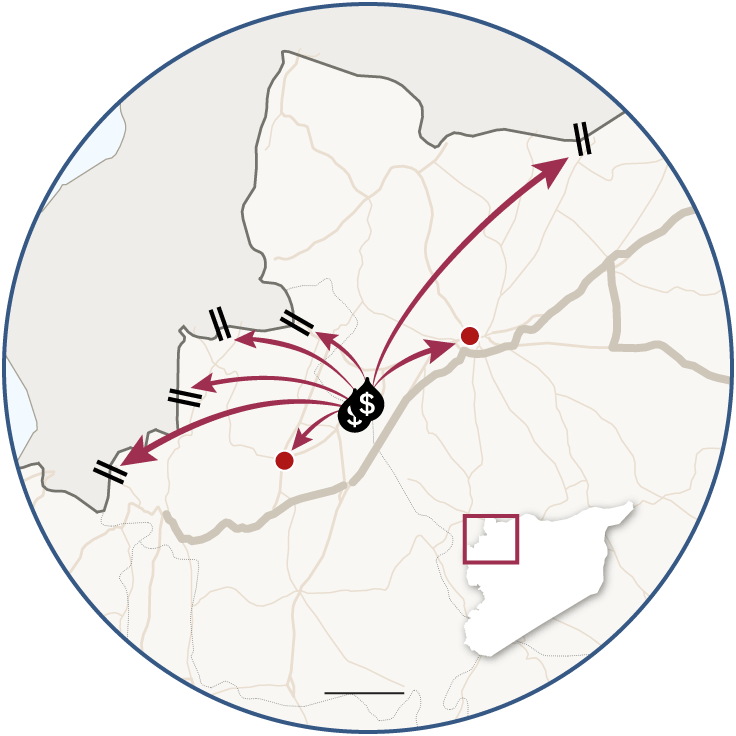
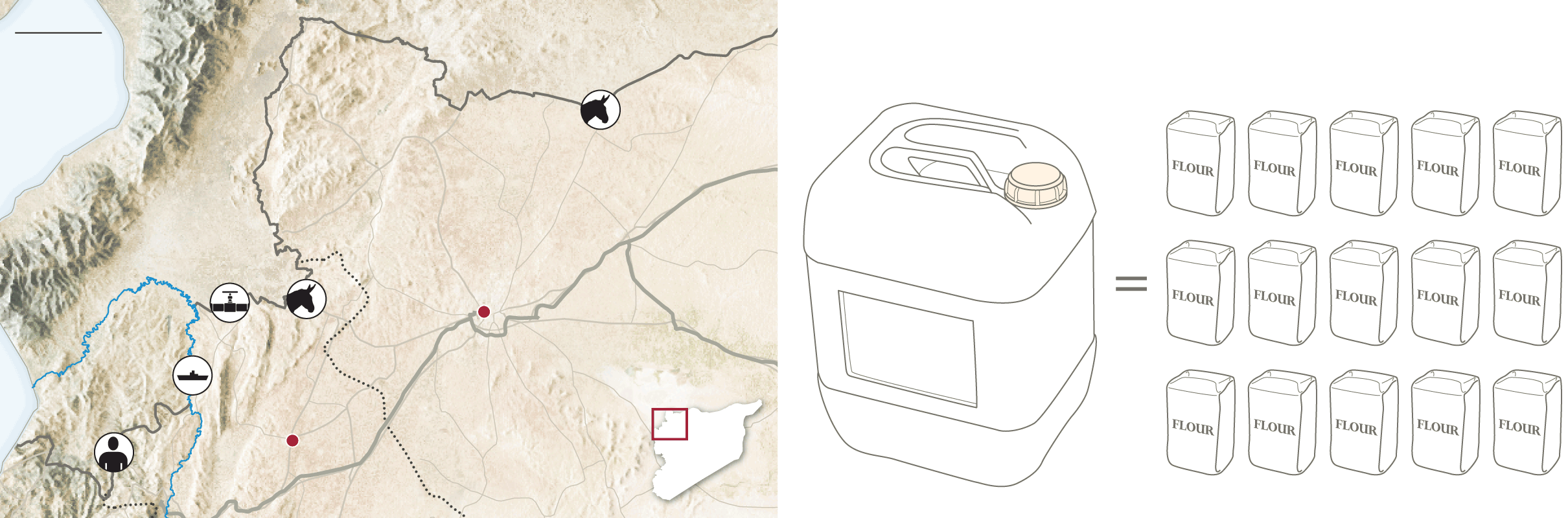
 When oil prices were high, smugglers loaded larger jerry cans (50-60 litres) of oil into metal tubs or small row boats and, using ropes attached to each river bank, pulled their cargo across the river and into Turkey. On the other bank, tractors picked up the supply and took it to a local informal market, where it was picked up by large trucks, which sold it on.
 Some Syrian and Turkish border towns have co-operated by burying small rubber tubes under the border, such as at Besaslan. In recent months, Turkey has stepped up border patrols and are constantly digging out the makeshift pipelines.
 A popular crossing point for smugglers carrying jerry cans of fuel on their backs has been from Kharbet al-Jawz in rebel-held Syria to Guvecci in Turkey. This has been largely shut down by Turkish forces, but the remote terrain makes it impossible to stop.
 In places like al-Sarmada and al-Rai, smugglers have crossed the border by mule, donkey or horses that can carry four to eight jerry cans at a time.